

As the world watches, the United Nations has allowed Palestinian President Mahmoud Abbas to address global leaders by video after the United States—now under President Trump—stood firm and refused him a visa, triggering a diplomatic showdown that highlights America’s renewed resolve to defend its own interests in the face of mounting international pressure.
Story Snapshot
- The US, under President Trump, denied a visa to Palestinian President Mahmoud Abbas and his delegation for the 80th UN General Assembly session, standing alone against overwhelming global pressure.
- The UN responded by permitting Abbas to deliver his address via video—a rare exception—after 145 nations voted in favor, with only 5 opposed.
- This episode exposes growing divisions at the UN, with the US defending its sovereignty and security while facing accusations of violating international law.
- The controversy revives debate about the obligations of the US as UN host and the risks of eroding American influence through globalist agendas.
UN Confronts American Sovereignty as Trump Administration Denies Abbas Visa
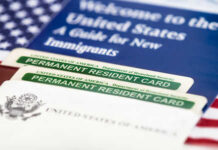
The Trump administration’s refusal to grant a visa to Mahmoud Abbas and his delegation for the 80th session of the United Nations General Assembly in New York has reignited tensions over US obligations as the UN’s host nation. The decision, made in early September 2025, came as President Trump doubled down on prioritizing American security and constitutional authority, even as 145 nations voted to allow Abbas to address the assembly by video. This sharp contrast between American policy and global sentiment puts the spotlight on whether international institutions should dictate US immigration and security decisions—especially after years of left-leaning globalist pressure that many conservatives see as undermining American sovereignty.
The UN’s move to accommodate Abbas with a remote video address is unprecedented in recent history, highlighting just how isolated the US now appears at the General Assembly on this issue. While the Palestinian Foreign Ministry decried the visa denial as a “clear violation” of the UN Headquarters Agreement and international law, American officials maintain that the decision was based on legitimate security and political concerns. The Trump administration’s policy stands in stark contrast to the previous White House, which was often criticized for capitulating to international demands at the expense of American interests. By holding the line against UN pressure, Trump’s team reinforces the principle that the US—not foreign governments or unelected international bodies—sets American visa policy.
Palestinian President Mahmoud Abbas is set to address the UN General Assembly by video link next week, after the United States denied him a visa to enter the country. https://t.co/plXGxy1cRK
— dpa news agency (@dpa_intl) September 19, 2025
International Backlash and Legal Wrangling Over Host Nation Duties
The overwhelming vote in the General Assembly to permit Abbas’s video address reflects heavy global opposition to the US stance, but the deeper issue is the legal and diplomatic tug-of-war over the UN Headquarters Agreement. Critics cited in international outlets, claim that by denying visas to an official UN delegation, the US risks breaching its obligations as host. The Palestinian response has been to frame the incident as a violation of both the Agreement and basic principles of diplomatic fairness, fanning the flames of anti-American sentiment among UN member states. For American conservatives, however, the spectacle of the UN attempting to override US law and security policy is a textbook example of why globalist frameworks so often threaten US constitutional rights and national interests.
Despite the accusations, the Trump administration’s refusal to yield to external legal interpretation demonstrates a clear commitment to reasserting US independence on the world stage. The administration’s critics may argue about the risk to American diplomatic standing, but for many, the greater threat lies in letting international opinion dictate who can—and cannot—enter the United States. The use of video conferencing as a workaround may set a dangerous precedent, encouraging the UN and other global bodies to erode American prerogatives incrementally through procedural exceptions.
Broader Implications for US Leadership and Conservative Values
This confrontation is not simply about one visa denial or a single UN address. It is a stark reminder of the ongoing struggle between American self-determination and the creeping influence of internationalism—an influence that conservatives argue has undermined the Constitution, weakened family values, and promoted policies like unchecked immigration and government overreach. The overwhelming support for Palestine’s right to speak, contrasted with US resistance, also signals a growing global willingness to challenge American leadership, especially when the US stands up for its own interests. As the UN General Assembly moves forward, the Trump administration’s approach sends a message: under new leadership, the US will not bow to globalist pressure or allow foreign entities to dictate domestic policy, especially when it comes to national security, immigration, and the defense of American values.
While critics warn of diplomatic isolation, supporters see this as a necessary correction after years of leftist policies that exposed the nation to international ridicule and eroded its standing as a beacon of liberty. The real risk, many argue, lies not in standing alone, but in surrendering the very principles that make America exceptional. With the world watching, the Trump administration is making it clear: the days of sacrificing American sovereignty for global appeasement are over.
Watch the report:BREAKING NEWS: Russia SLAMS U.S., Trump Over Visa Denial to Palestine at UNGA | AC1G
Sources:
UN General Assembly approves video address by Palestine’s Abbas after US visa refusal