
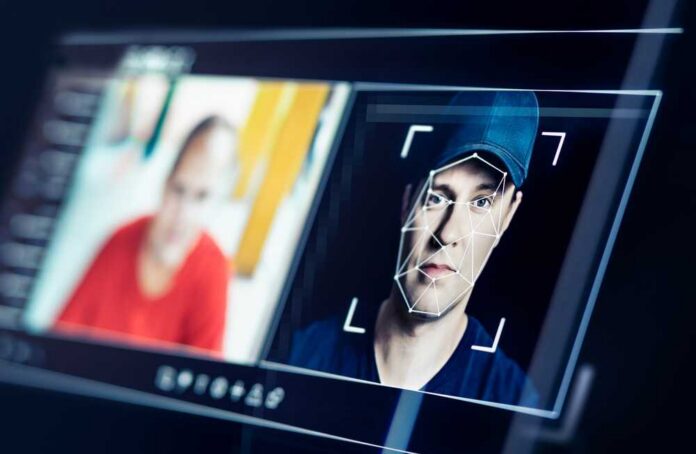
Lawton Police now wield powerful facial recognition technology, raising urgent questions about privacy versus public safety in everyday American communities.
Story Snapshot
- Lawton City Council approved Clearview AI deployment on April 13, 2026, restricting use to 26 officers for lead generation in active criminal cases.
- Technology searches only publicly available online images, requires human verification, and bans real-time scanning or arrests without traditional evidence.
- Complies with FBI criminal justice standards, separating it from broader surveillance like local cameras or license plate readers.
- Oversight mandates review of policies against other cities, balancing investigative efficiency with resident privacy concerns.
Deployment Details and Safeguards
Lawton Police Department presented Clearview AI to City Council on April 13, 2026, securing approval for active deployment. The tool aids detectives in Criminal Investigations, Special Operations, and Gang Intelligence units—limited to about 26 personnel. Detectives upload images from active cases, such as suspects or victims, prompting searches of public internet photos. Matches demand traditional investigative verification, preventing standalone use. This setup positions the software strictly as a lead generator, not a surveillance mechanism. Council directives ensure compliance with FBI-linked standards, excluding ties to local cameras or resident databases.
Technology Background and Accuracy
Clearview AI trains on vast public internet images, achieving over 99% accuracy across demographics per NIST tests. U.S. agencies adopt it for high-stakes cases, accelerating identifications of suspects, victims, or witnesses without real-time public scanning. In Lawton, Oklahoma—a mid-sized city—police sought this efficiency to enhance detective work amid resource constraints. The presentation addressed concerns by clarifying no expansion of surveillance infrastructure. Internal policy development preceded council review, emphasizing privacy from the outset. This reflects nationwide precedents where law enforcement integrates the tool under strict guidelines.
Stakeholder Roles and Oversight
City Council holds final approval power, directing the City Manager’s and Attorney’s Offices to compare Clearview policies with other municipalities. Lawton Police leadership drafted and presented the policy, motivated by faster case resolutions like missing persons identifications. Clearview AI supplies the platform, prioritizing public safety through reliable tech in challenging conditions. Power dynamics favor accountable implementation: council scrutiny tempers police access, while human oversight prevents overreach. Residents gain from quicker justice but warrant vigilance on public image usage, mitigated by case-specific limits.
Impacts on Community and Broader Trends
Short-term, the deployment promises faster leads without new costs, contrasting manual searches. Long-term, sustained oversight preserves privacy balances amid national facial recognition debates. Lawton residents benefit from enhanced safety—think swift victim recoveries—yet share frustrations with government tools that could erode personal liberties if unchecked. This local move echoes a deeper American discontent: federal overreach and elite priorities sidelining the working family’s right to security and privacy. Both conservatives wary of big tech surveillance and liberals fearing bias find common ground in demanding transparency from those in power.
Economic and Political Ramifications
Funded partly by prior grants like the $13,612 SAFE Oklahoma award, the tool offers low-cost efficiency over labor-intensive methods. Politically, Lawton’s model sets a precedent for policy-driven tech adoption, reinforcing limited government principles through targeted use. In Trump’s second term, with GOP congressional control, such local innovations align with America First priorities: bolstering law enforcement without federal bloat. Yet, as deep state skepticism grows across aisles, this deployment spotlights the need for eternal vigilance against any slide toward unchecked elite surveillance.
Sources:
City of Lawton Shares Information on Police Investigative Software (Clearview AI Facial Recognition)
ID Tech Wire: Lawton Police Department