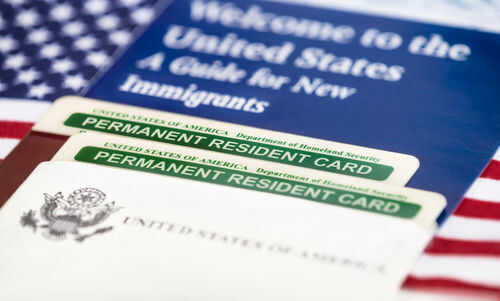
The Trump administration has quietly implemented sweeping new security protocols that halt approval of hundreds of thousands of pending immigration cases until enhanced FBI criminal background checks are completed, leaving legal immigrants in indefinite limbo.
Story Snapshot
- USCIS now requires enhanced FBI criminal history checks for all immigration applicants, mandating re-vetting of cases with fingerprints submitted before April 27, 2026
- Hundreds of thousands of pending applications for green cards, naturalization, asylum, and family sponsorships are frozen pending completion of enhanced background checks
- New protocols stem from February 2025 executive order granting DHS maximum access to federal criminal databases to identify criminal actors among immigrant populations
- Enhanced vetting follows 605,000 deportations and re-screening of approximately 200,000 refugees already cleared under previous protocols
Expanded FBI Database Access Transforms Immigration Vetting
The Trump administration has mandated enhanced FBI criminal history record information checks for all immigration applicants submitting fingerprints, fundamentally altering the vetting process for legal immigration. Internal USCIS guidance distributed in late April 2026 directs immigration officers to resubmit fingerprints for any case with FBI data collected before April 27, 2026, and prohibits approvals until enhanced vetting completes. The new protocols affect applications for green cards, naturalization, asylum, refugee status, and family-sponsored petitions. USCIS spokesperson Zach Kahler confirmed the agency “implemented new security checks to prioritize safety of the American people.”
Executive Order Enables Unprecedented Criminal Database Integration
President Trump signed an executive order in February 2025 directing the Department of Homeland Security to access federal criminal history record information “to the maximum extent permitted by law” for identifying criminal actors among immigrants. This directive granted USCIS expanded access to the FBI’s Next Generation Identification system, a comprehensive database previously limited for immigration purposes. Unlike standard vetting procedures used for decades, the enhanced checks tap into the FBI’s full criminal history repository. The administration implemented this expansion following what officials cite as security concerns stemming from a National Guard attack in Washington DC, though the connection between that incident and immigration vetting remains unclear.
Mass Re-Vetting Creates Processing Bottleneck
Immigration officers must now resubmit fingerprints for hundreds of thousands of pending cases with pre-April 27 FBI data, creating what critics describe as an unprecedented processing bottleneck. Approximately 200,000 refugees who already underwent extensive multi-agency screening face renewed vetting to verify compliance with refugee definitions and identify potential legal barriers. The freeze affects not only asylum seekers from 39 travel-ban countries but also Americans sponsoring foreign relatives and fiancés for family-based immigration benefits. USCIS acknowledges “brief” processing delays but provides no timeline for resolution. Immigration legal professionals report clients facing months of uncertainty despite having previously cleared all required security screenings under established protocols.
Policy Builds on Broader Immigration Enforcement Agenda
The enhanced vetting mandate represents one component of the administration’s comprehensive border security initiative launched in 2025. Federal enforcement efforts have yielded 605,000 deportations and 1.9 million voluntary departures, while conducting 206 million benefits eligibility verifications to protect what officials characterize as taxpayer resources. Immigration policies implemented since Trump’s second inauguration include social media scrutiny for “anti-American” views, extended asylum processing pauses, and application freezes for dozens of countries subject to travel restrictions. The administration maintains these measures close loopholes and strengthen national security, prioritizing enforcement over processing speed despite creating legal limbo for applicants who followed existing immigration law requirements.
CBS News Exclusive: The Trump administration is mandating enhanced security checks for immigration applicants, internal documents show. https://t.co/EIsHFD0FfF
— CBS News (@CBSNews) April 28, 2026
Historical precedent raises questions about the enhanced vetting’s effectiveness. The Brennan Center documents that social media screening pilots conducted between 2016 and 2021 during Trump’s first term added “no value” to national security determinations while consuming substantial government resources. The Biden administration rejected continued social media handle collection in 2021 after concluding the program failed to improve screening accuracy. Critics argue the current criminal database expansion threatens privacy and First Amendment protections by enabling surveillance of lawful speech and associations. Yet the administration maintains that full access to federal criminal records represents a common-sense security measure, pointing to deportation statistics and benefits verification numbers as evidence of successful enforcement protecting American communities from those who would exploit immigration systems.
Sources:
US Mandates ‘Enhanced’ Security Checks For Immigration Applicants
Trump administration mandates enhanced security checks for immigration applicants
Trump Administration Will Collect Social Media Handles of Legal Immigrants
Border & Immigration Priorities