Media voices claim a “heist,” but the real fight is whether a politicized tax leak will finally cost Washington—and whether activist spin is burying key facts.
Story Snapshot
- Trump’s lawsuit over the unlawful leak of his tax data is real and active, with settlement discussions on the record [2][4].
- The leaker, a former IRS contractor, was convicted and sentenced, strengthening the claim that government failed to protect confidential data [2][4].
- Trump’s team says any payout would go to charity, countering claims of self-enrichment [3].
- A judge has raised constitutional questions about settling while Trump leads the executive branch, increasing scrutiny [4][5].
What Is Actually in Dispute: A Lawsuit Over a Proven Tax Leak
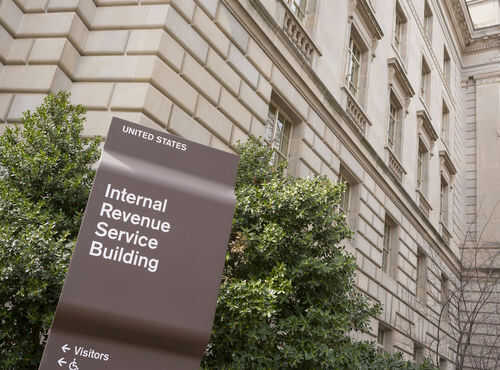
Trump filed a federal lawsuit in early 2026 alleging the Internal Revenue Service failed to protect his and others’ confidential returns from a politically motivated contractor who leaked them, a crime for which the contractor was convicted and sentenced in 2024 [2][4]. The suit argues violations of federal tax confidentiality laws and privacy protections, and court filings reflect active proceedings and room for settlement discussions. Media branding it a “heist” ignores that a real privacy breach and a real case exist [2][4].
Reporting states the Department of Justice opened internal talks about a possible settlement, which is routine when statutes clearly protect taxpayer privacy and a criminal conviction confirms a breach occurred [2]. Trump’s lawyers frame the case as accountability for government failure to safeguard private data. The public narrative is heated, but the underlying claim—confidential returns unlawfully disclosed by a contractor—is concrete and already adjudicated on the criminal side, strengthening the civil posture [2][4].
The Dollars Question: Claims, Charity Pledge, And Damages Skepticism
Coverage highlights Trump’s multibillion-dollar demand and notes that his team has publicly said he would donate any recovery to charity, challenging allegations he seeks personal gain from taxpayer funds [3]. Commentators counter that tying damages to media mentions is not how courts typically measure harm, which could limit any eventual award [4]. These conflicting frames matter: one emphasizes vindication for privacy and rule of law; the other questions valuation and warns about writing a large check from the Treasury [3][4].
Some critics add a provocative twist, alleging money would flow to allies or even January 6 defendants; however, no primary-source settlement term sheet or court filing has been produced showing a lawful mechanism to fund third parties as part of this case [4][5]. Without a filed agreement or explicit terms, that claim remains unverified in the public record. Conservative readers should separate rhetoric from the docket: there is a real lawsuit and sentencing record, but no published settlement text confirming payouts to allies [2][4][5].
Constitutional Scrutiny: Can A President Sue His Own Agencies?
Judicial scrutiny has escalated because Trump, as sitting president, oversees the Treasury and Internal Revenue Service he is suing. Reporting says the judge questioned whether there is a true “case or controversy” and ordered briefing on jurisdiction and settlement legitimacy, including concerns about potential collusion [4][5]. That means any agreement will face tough review before public funds change hands. The court’s posture pressures both sides to justify standing, damages, and independence in negotiations [4][5].
For conservatives, the constitutional guardrails are welcome: they force transparency, discourage backroom deals, and ensure any settlement rests on law, not politics. If the court finds a valid dispute despite executive-branch overlap, the ruling could reaffirm that agencies must answer for privacy failures—even when a sitting president is the victim. If not, the judge may narrow or halt talks, requiring other legal avenues to remedy the leak [4][5].
What To Watch Next: Evidence, Not Epithets
Look for filings that clarify the damages theory, how the government’s responsibility is established when a contractor—not a direct employee—committed the leak, and whether any remedy targets audits or policy concessions rather than direct payments [4]. Watch for whether the Department of Justice explains its settlement rationale independent of politics, and whether the court requires disclosure of proposed terms. The noise will continue; the signal is in the docket and the judge’s orders [2][4][5].
MÉNDEZ–ATLAS POLITICAL ANALYSIS
Core Proposition⁰Donald Trump should drop the IRS lawsuit entirely and refrain from using any potential settlement to funnel large sums of money (reportedly $1.7 billion) into a “weaponization” fund benefiting his allies.
Our Strong Argument⁰This…— Lucky Mendez (@lucky_mendez3) May 15, 2026
Bottom line for readers who value limited government and the rule of law: a criminally proven privacy breach demands accountability; a legal remedy should be grounded in statute, measured damages, and constitutional procedure. Resist scare labels and demand receipts. If taxpayer funds are at stake, every cent must be justified in court. If media allege cash for allies, they should produce the document. Until then, prudence means supporting accountability for the leak while insisting on rigor in any settlement [2][3][4][5].
Sources:
[2] Web – DOJ considers settling Trump’s $10B IRS lawsuit, may …
[3] Web – Trump looks to settle $10 billion lawsuit with IRS
[4] Web – Why Trump negotiating a $10B settlement with IRS is …
[5] Web – House Democrat Warns Trump on Verge of ‘Largest Single …