A billionaire tied to Jeffrey Epstein skipped a sworn House deposition and sued to stop subpoenas for his testimony and nondisclosure deals, sharpening a high-stakes showdown over accountability and transparency.
Story Snapshot
- House investigators subpoenaed Leon Black for a deposition and Epstein-related nondisclosure agreements.
- Black refused to answer NDA questions in June, then did not show for the September deposition.
- Black produced one NDA after pressure, which the committee called insufficient.
- Black sued to block the subpoenas as overreach lacking a valid legislative purpose.
Congressional Subpoenas Escalate After NDA Questions Stall
House Oversight leaders said they issued two subpoenas to Leon Black during a June 2026 interview after he refused to answer questions about nondisclosure agreements tied to Jeffrey Epstein and Ghislaine Maxwell. The committee served one subpoena seeking all related nondisclosure agreements and another compelling a sworn deposition. The panel said these documents were vital to its Epstein finance inquiry, which includes large payments and any efforts that may have hidden facts from victims or the public.
Committee records and press reports say Black walked out or declined to continue when pressed on nondisclosure agreements, creating the basis for compulsory process. A transcript excerpt shows counsel serving “two subpoenas,” one for a July deposition and one for the agreements. The chair later set a firm date, warning that noncompliance could bring contempt. The committee’s message was simple: provide the records, answer the questions, and help Congress tighten laws that failed to prevent past abuse.
Deposition Day: An Empty Chair and a Fresh Lawsuit
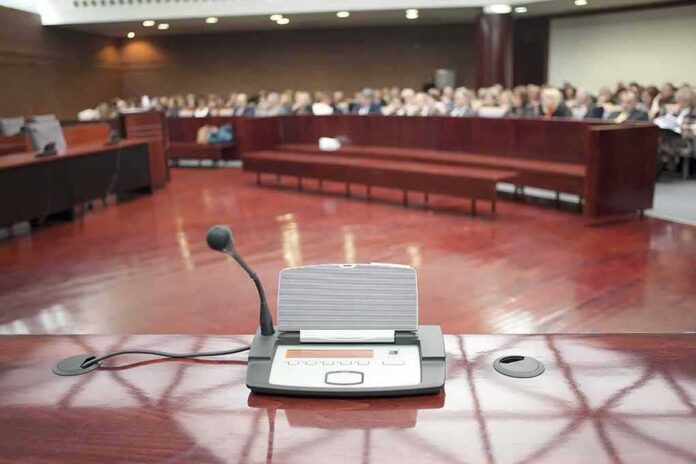
On September 3, 2026, the committee convened a deposition and marked Black absent “for the record,” with an empty chair placed to underscore defiance. The Associated Press reported Black refused to appear and instead filed suit in federal court to block the subpoenas. In August, the chair warned that failure to sit for the deposition or turn over records could trigger contempt, a tool Congress uses when it believes a witness is stonewalling oversight that informs future legislation.
Black had produced one nondisclosure agreement after the June clash, but the panel called that limited response unacceptable and demanded full compliance. Lawmakers say understanding the terms, timing, and scope of each agreement is central to mapping any concealment or pressure linked to Epstein’s network. Supporters of the inquiry argue sunlight is needed to close loopholes, deter hush deals tied to abuse, and protect victims, while keeping the focus on facts rather than rumor.
Black’s Legal Pushback and the Constitutional Stakes
Black’s court filing argues the subpoenas are invalid because they reach private information without a clear legislative purpose. His lawyer called the probe a fishing expedition and said confidentiality agreements are common in business. His team also said Black already cooperated by sitting for a voluntary interview and complying with an earlier Epstein-related document request. These arguments ask a court to narrow what Congress can demand in a sensitive, high-profile case.
Congressional subpoena power is real and broad when used to write or refine laws, but courts have set limits. Congress cannot demand private records just to shame someone, and it must connect demands to legislation. That standard will guide any ruling here. Until then, the facts are clear: the House sought testimony and agreements; Black refused on key questions, offered one agreement, then skipped the deposition and sued. The next move likely belongs to a federal judge.
Sources:
politico.com, oversight.house.gov, apnews.com, pbs.org, bloomberg.com, wsj.com