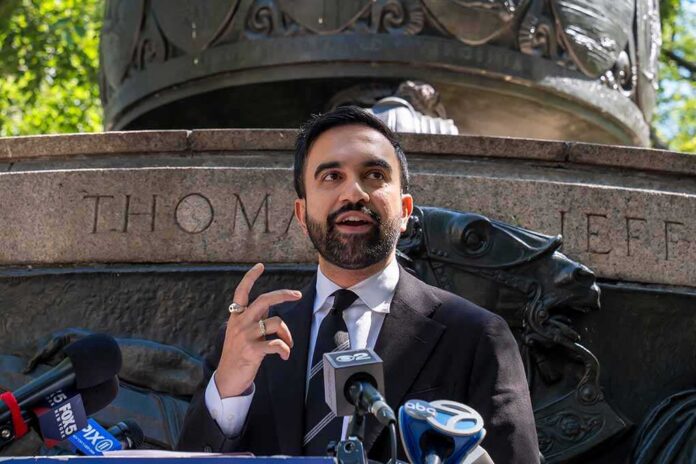
New York City just doubled taxpayer-funded artist grants to $10,000, expanding public cash for projects across every genre, from painters to musicians, including rap.
Story Highlights
- City raised maximum individual artist grants from $5,000 to $10,000 for the first time in nearly 20 years.
- Taxpayer funds flow through borough “regrant” partners to individual artists, collectives, and small nonprofits.
- Eligible fields include broad categories that cover music and rap, not just traditional arts.
- New York State offers similar $10,000 artist awards, signaling a wider push to subsidize creators.
What New York City Changed and Why It Matters
Mayor Zohran Mamdani announced that New York City will double the cap on city-funded artist grants, moving the maximum award from $5,000 to $10,000. City materials say it is the first increase in almost two decades, and leaders argue that costs for rent, food, and child care rose while support for artists stayed flat. The Department of Cultural Affairs says funds will continue to move through local partners in each borough, who then give grants to individual artists and small groups.
The program uses taxpayer money. The city confirms it funds local partners each year to distribute grants to artists, collectives, and small nonprofits. The eligibility list is broad. It includes filmmakers, dancers, writers, painters, and more, which covers modern music and performance genres as well. Supporters frame this as help for working artists to stay in the city. Critics see a cash giveaway during high taxes, high prices, and strained services.
How the Money Flows and Who Can Apply
The city will not mail checks from City Hall to individuals. Instead, borough arts councils and similar intermediaries run the competitions and award the funds. That structure has existed for years and sits within the Department of Cultural Affairs’ regular cultural funding work. The details show a standing pipeline with annual calendars, application windows, review panels, and grant agreements. But the city’s public pages do not list 2026 recipient names or scoring sheets at this time.
The open-ended eligibility means music, including rap, can qualify alongside many other fields. That is why some outlets framed the move as “tax dollars for aspiring rappers.” The city documents do not single out one genre. They present the expansion as a general boost for individual creators and small nonprofits across disciplines. Without a published roster of winners and project summaries, the public cannot yet see how much will go to music versus other art forms in this cycle.
The Bigger Picture: Normalized Subsidies and Real Tradeoffs
New York State’s arts council pegs many individual awards at the same $10,000 figure. The governor also promoted large state cultural funds with similar award sizes. That context makes the city’s change look routine inside the arts world. For taxpayers, the question is not whether this is common. The question is whether another subsidy beats other needs, like public safety staffing, school improvements, or property tax relief in a high-cost city.
NYC recently doubled its city-funded artist grant maximum from $5,000 to $10,000. The program covers artists across the five boroughs, including musicians, filmmakers, writers, dancers and other creatives. Y’all like this play? 👇👀🗽🔥 pic.twitter.com/z32NUWJPfa
— HOT 97 (@HOT97) October 4, 2026
City records show long-running public arts spending through regrant partners and one-time programs such as City Artist Corps. That history gives a baseline to ask for proof of outcomes today. Reasonable oversight steps include publishing award lists, panel criteria, conflict-of-interest rules, and final reports on how projects spent the money. Those documents would let the public judge results against goals and see whether the grants serve community benefit or career boosters with weak value.
Bottom Line for Conservatives
New York City has doubled the top check an individual artist can receive with taxpayer funds. The city pitches cost-of-living relief for creators. The program’s wide net means funds can support many genres, including music and rap, though no recipient list is posted yet. Conservatives should press for sunlight: who gets paid, for what, and with what results. If leaders want public money for private projects, they must show measurable value, not just good vibes.
Sources:
townhall.com, nyc.gov, statenislandarts.org, nysca.org, governor.ny.gov