Armed attackers fired from Mexico at U.S. Coast Guard crews on the Rio Grande, and America answered with troops on the ground.
Story Highlights
- Coast Guard crews took gunfire near Garceno, Texas, and returned fire, with no injuries reported.
- About 500 U.S. troops are deploying to the Rio Grande Valley in direct response.
- Officials describe growing cartel threats, including technology like drones along the border.
- The rapid surge aims to protect U.S. personnel, restore control, and deter future cross-border attacks.
Gunfire On The Rio Grande Sparks Rapid U.S. Response
U.S. Coast Guard personnel encountered gunfire from the Mexican side of the Rio Grande near Garceno, Texas, on September 26. Crews were conducting joint interdiction operations with federal partners when the shots came across the border. Coast Guard members returned fire. No Coast Guard personnel were injured, and no Coast Guard assets were damaged, according to the service’s statement reported by multiple outlets. The incident remains under investigation, but federal forces treated it as a clear and direct threat to U.S. personnel.
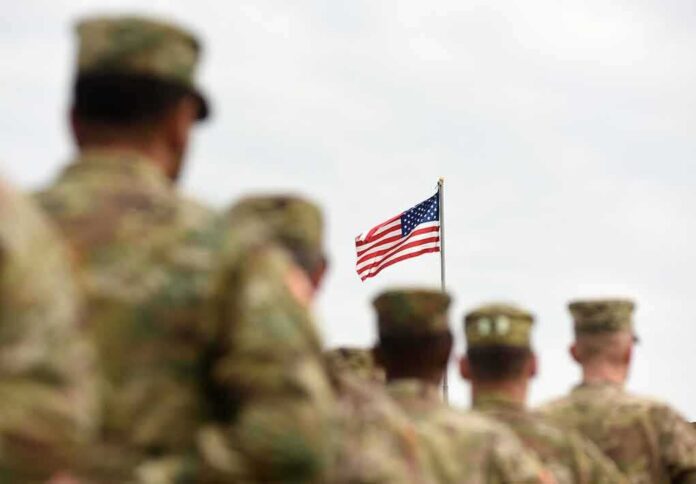
Following the attack, federal officials moved to harden the sector fast. About 500 U.S. troops are deploying to Texas’ Rio Grande Valley, with aviation support moving personnel to key sites. Reporting links the surge to the Garceno gunfire incident and a need to secure river islands and chokepoints where smugglers stage and scout. The quick posture change signals that Washington will back frontline agents with manpower and gear when cross‑border gunmen test U.S. resolve.
Why The Rio Grande Valley Became A Flashpoint
Starr County sits on a busy smuggling corridor long used by organized criminal groups. Federal and state teams run frequent interdiction patrols there to block drug loads, human smuggling, and armed scouts. Cartels probe for gaps, shift routes, and sometimes use force to cover escapes. When gunmen fire from the Mexican bank, U.S. law enforcement faces a split‑second choice to protect life while preventing escalation. The Coast Guard’s disciplined response, and the absence of injuries, show training and coordination worked.
Leaders also view this attack as part of a wider pattern at the border. Criminal networks have expanded their toolkit with commercial drones for scouting, smuggling, and harassment. U.S. officials and analysts have warned for months that drone activity near crossing points is growing, forcing a more military‑style defense that includes detection, jamming, and shoot‑down options. This context helps explain why even a single river shootout can trigger a broader force surge meant to deter the next strike.
Deterrence, Rules, And The Mission Going Forward
Commanders are sending a clear message: assaults on U.S. personnel will meet an immediate response. The troop deployment concentrates surveillance, aviation lift, and quick‑reaction teams in the Rio Grande Valley. That presence supports the Coast Guard, Border Patrol, and partner agencies during interdiction missions on the water and along the riverbank. Officials say the goal is simple: protect American lives, hold the line, and shut down routes used by armed criminals who test U.S. sovereignty.
Federal agencies emphasize strict rules of engagement and careful coordination with state partners to manage risk. Crews must defend themselves and the public, but also avoid unnecessary escalation across an international boundary. At the same time, they face a hybrid threat that mixes rifles, scouts, and drone eyes in the sky. The Garceno attack underlines why speed, unity of command, and reliable backup matter. When the shooting started, training held. When the threat rose, reinforcements moved.
Sources:
townhall.com, stripes.com, ntd.com, independent.co.uk