
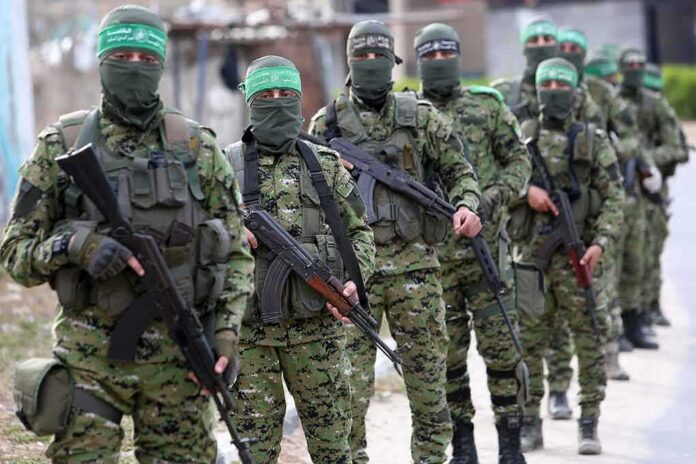
Israel’s defense minister warned that Hamas leaders living overseas are now active targets tied to the October 7 massacre.
Story Highlights
- Israel’s defense chief said Hamas leaders abroad are “in our sights,” expanding the target list.
- The warning followed the killing of a Hamas brigade commander inside Gaza, signaling a wider campaign.
- Israeli leaders have said terror chiefs will not have immunity “wherever they are”.
- Critics in Qatar and elsewhere claim cross-border strikes violate international law.
Defense Minister’s Warning Targets Hamas Leaders Overseas
Israel’s defense minister, Israel Katz, said Hamas leaders outside Gaza are now targets and will be pursued. Katz tied the warning to their roles in the October 7 massacre and vowed Israel’s “long arm” would reach them. The statement came after Israel eliminated Izz al-Din al-Bikh, the Hamas commander in northern Gaza, in an overnight strike. Israeli messaging now links overseas leadership to direct planning and command of terror, removing what many called a safe haven.
Prime Minister Benjamin Netanyahu has echoed the same line for months. He said terror bosses would not have immunity “wherever they are,” and hinted that such operations could shorten the war by cutting off command nodes. These comments followed earlier reports of targeted actions against senior Hamas figures beyond Gaza, reflecting an Israeli shift to deny sanctuary to planners abroad who direct violence from comfort and distance.
Why Israel Says Overseas Leaders Are Lawful Targets
Israeli officials argue that Hamas’s political and military leadership abroad directs operations that kill Israelis, making them part of the fighting force and therefore targetable. Legal backers say self-defense under the United Nations Charter allows precise strikes on commanders who plan and control attacks, when the host state cannot or will not stop them. Analysts add that removing top leaders can disrupt orders, funding, and morale, which are vital to Hamas’s campaign.
This view gained strength after the world saw the horror of October 7. Israeli sources have long said exiled leaders orchestrated that massacre and ongoing rocket and tunnel operations. Supporters of Israel’s approach argue that ignoring leadership networks abroad only invites more bloodshed, since those figures recruit, train, and pay for terror. They claim precision strikes, not broad wars, are the cleaner path to protect civilians while dismantling command centers.
Pushback From Hamas and Qatar Cites International Law
Hamas and Qatar condemn cross-border operations as unlawful. After a high-profile incident in Doha in 2025, Hamas said Israel tried to kill its negotiators, called the strike a “heinous crime,” and claimed several members were killed while senior leaders survived. Qatar called the attack a “blatant violation” of international law and sovereignty and accused Israel of seeking war over peace during talks. These claims set the stage for ongoing diplomatic fights if Israel expands its campaign.
*Defense Minister Israel Katz:* 'No terrorist from the October 7th massacre will die peacefully. The Hamas leaders abroad are also among our targets.' pic.twitter.com/hUdjVmMSGY
— יוני בן מנחם Yoni Ben Menachem (@BwMnhm) September 30, 2026
United Nations experts and some scholars have also questioned global “wherever they are” targeting. They argue there is no legal basis for open-ended cross-border killings and that such actions breach sovereignty and the limits of self-defense. They say necessity and proportionality must be strict and that host nations’ rights matter, even against terror groups. This dispute will likely intensify if Israel hits leaders in countries seen as partners or mediators.
What This Means for U.S. Interests and Security
American readers know terror leaders often hide in friendly capitals while directing violence. Israel’s message is simple: there are no more safe havens for those who planned October 7. That aligns with core conservative views on self-defense and moral clarity. It also raises hard diplomatic work for President Trump’s team, which must back an ally’s right to self-defense while managing partners who host or tolerate Hamas figures.
Washington’s bottom line is safety and stability for Americans and allies. Cutting off Hamas command nodes reduces terror reach and deters copycats. Careful targeting, strong evidence, and close coordination can lower civilian risk and keep pressure on host states to act. If sanctuaries close and leaders feel real consequences, terror costs rise and attacks fall. That is how you defend families, borders, and freedom—without writing blank checks or accepting lawless violence.
Sources:
bbc.com, reuters.com, dw.com, news.sky.com, cnn.com, algemeiner.com, theconversation.com, english.ahram.org.eg