
As Europe faces violent unrest, New York City lawmakers are advancing a bill that would sideline a key police unit from protests at home.
Story Snapshot
- The City Council is weighing a bill to bar the Strategic Response Group from most First Amendment events.
- Backers say the plan bans tactics like kettling and requires quarterly public reports.
- New York City’s own framework says specialized units, including this one, help keep protests safe when crime risks rise.
- NYPD materials call the unit a critical asset for disorder, major events, and crowd control.
What the CURB Act Would Do to NYPD Protest Response
New York City Council bill Introduction 0796-2026 would bar the Police Department’s Strategic Response Group from most First Amendment events and generally prohibit its use for crowd control. The bill would also restrict specific tactics and require quarterly public reporting on deployments and related complaints. Supporters describe bans on kettling, tear gas, indiscriminate pepper spray, and bicycle-based physical pushes. These details come from the bill text and advocacy summaries supporting it, which outline new limits and disclosures.
The New York Civil Liberties Union says twenty-six council members back the measure and argue it would end Strategic Response Group deployments at protests while adding steady oversight. That bloc claims the changes would protect speech and reduce harsh tactics. Their materials cite complaints raised since the 2020 protests and call for recurring reports so the public can judge police conduct. Their announcement frames the bill as having the votes needed to pass, though final action is not established.
How Current City Policy Views Specialized Units at Protests
New York City’s published protest-response framework allows specialized units, including the Strategic Response Group, when public safety needs rise. The city outlines tiers. Police may stage added officers, including the unit, if illegal activity seems likely or if critical infrastructure may be blocked. Police may also deploy specialized units when there is probable cause of crimes during a protest, and when crimes are widespread and de-escalation fails, officers may end the event.
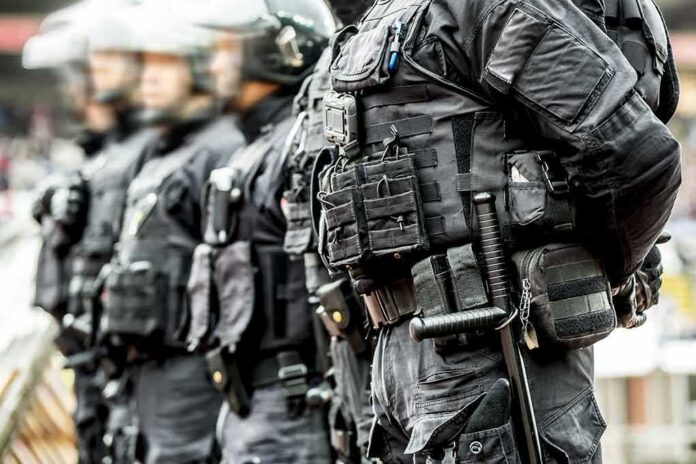
New York City Police Department materials further describe the Strategic Response Group as a critical asset for citywide mobilizations, civil disorder, major events, protests, and crowd control. The department also lists responses to shootings, bank robberies, missing persons, and other significant incidents among the unit’s roles. A retired department detective has argued the group is trained for dangerous large-crowd situations and mass arrests. These points reflect the unit’s intended skill set and quick-mobilization purpose.
What the Numbers Say About Recent Deployments
A New York City Council deployment report from mid-2026 records Strategic Response Group activity at demonstrations and protests across boroughs. The report lists Manhattan forty-seven, Bronx two, Brooklyn five, Queens two, and Staten Island zero for the first half of the year. These figures show that officials already track where the unit appears, at least at a high level. The report does not by itself judge whether the presence reduced violence or injuries; it only logs deployments.
City and State reporting says council members are split on process and effect. A committee chair warned that banning the Strategic Response Group at protests could be undercut if the Police Department recreated a similar unit under another name. That claim points to a core practical fight: rules on paper can be narrow or broad, and agencies often adapt. The bill’s supporters argue oversight and tactic bans still have force even if labels change.
Constitutional Stakes: Safety and Speech Must Both Stand
Federal cases stress that the First Amendment protects peaceful protest, but it does not shield crime. Courts have allowed police to disperse crowds when conduct becomes unlawful and dangerous. The dispute in New York City turns on proportionality. Backers say the bill curbs tactics that catch peaceful people in the dragnet. Opponents say removing a specialized unit weakens the line when disorder spreads fast. The framework shows both duties can coexist when rules are clear and targeted.
Two questions remain open. First, the public record offered by backers cites alleged abuses but does not include comprehensive case files or a head-to-head injury and damage analysis under different deployment models. Second, the city’s policy already permits specialized units based on risk tiers. Lawmakers now must explain how emergency exceptions would work if crowds turn violent. Without clear carve-outs, commanders may face slower responses when minutes matter.
Why This Matters to Families and Public Order
New Yorkers need both safe streets and free speech. Parents want kids to travel without fear. Small shops want to open without broken windows. Churches and community groups want to rally without being trapped in a kettle. Good policy draws a sharp line: stop actual crime fast, protect peaceful voices, and publish clear data so voters can judge results. Any reform that sidelines trained responders must show it will not raise risk when crowds surge or agitators move.
Leaders can meet that test by pairing transparent reporting with tight, workable rules for when specialized units may deploy. Clear warnings, targeted arrests, and strict bans on indiscriminate force protect rights. Rapid, skilled intervention protects life and property when crime spreads. The coming hearings should demand proof, not slogans. If the council changes the playbook, it should keep the tools that stop chaos while ending tactics that punish the peaceful.
Sources:
thegatewaypundit.com, cityandstateny.com, nypost.com, en.wikipedia.org, 50-a.org, bronx.news12.com