
Search crews confirmed a debris field from a missing medical jet off Nantucket, focusing a massive rescue effort through the night.
Story Snapshot
- U.S. Coast Guard confirmed debris from a missing Gulfstream G100 air ambulance off Nantucket.
- Six people were on board during the Bermuda-to-Boston flight when contact was lost early Saturday.
- Rescuers searched across more than 1,600 square miles with aircraft and boats.
- Officials continued overnight operations while investigators prepared the next steps.
Coast Guard Confirms Debris From Missing Medical Jet
The United States Coast Guard said crews located a debris field confirmed to be from the missing aircraft off the coast of Nantucket on Saturday evening. The jet was a Gulfstream G100 configured as a medical transport. Officials said six people were aboard. The aircraft disappeared during a flight from Bermuda to Boston. The Coast Guard stated it would keep searching after dark. That confirmation set the focus area for air and sea teams working offshore.
Officials described the missing plane as a medical evacuation jet carrying a four-person crew and two additional occupants, reported as either two passengers or a patient and a family member in early accounts. The jet departed Bermuda’s L.F. Wade International Airport and later lost contact over the Atlantic. Reported times placed the alert window around 1:00 to 2:00 a.m., with a rescue alert issued near 1:20 a.m. Such timing points drive where search grids are drawn and updated.
Search Area, Assets, and Overnight Operations
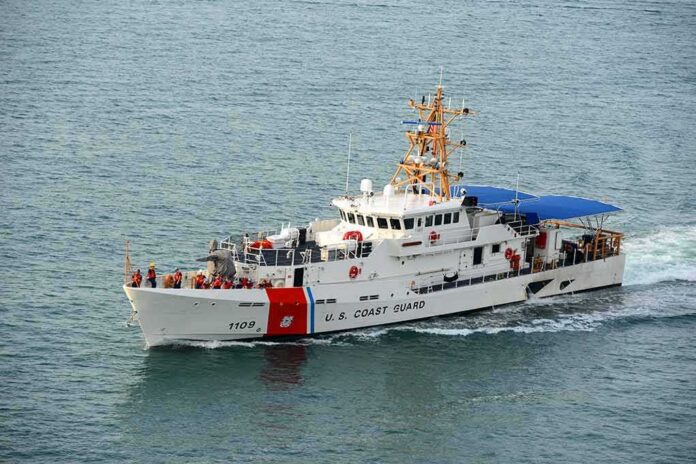
The Coast Guard and partner crews swept an area exceeding 1,600 square miles with helicopters, fixed-wing aircraft, and cutters as conditions allowed. A fast response cutter and multiple airframes worked grid patterns over the waters south of Nantucket. Crews moved quickly once debris was confirmed to match the missing aircraft. Command centers coordinated surface vessels and air tracks to hold the line through the night. The aim was to find survivors and secure floating material for investigators.
Search teams balanced speed with safety as darkness and ocean conditions challenged visibility. Coast Guard aircrews used night-vision equipment and radar to refine passes over likely drift paths. Surface crews marked and retrieved items linked to the debris field when safe to do so. Each recovery helps set the map for investigators who later piece together sequence and failure points. That standard process follows every serious aviation crash near open water.
What We Know About the Flight and Timeline
Reports agreed the aircraft left Bermuda for Boston and went missing in the early morning hours Saturday. The Federal Aviation Administration timeline placed the first search-and-rescue alert near 1:20 a.m., after contact was lost around the 1:00 to 2:00 a.m. window. That window matters because ocean currents and winds can spread debris quickly. Early reports described six people on board and identified the aircraft as a Gulfstream G100 used for medical missions.
🚨 BREAKING: Six aboard missing medical flight presumed dead off Nantucket
The Coast Guard called off the search Sunday after a debris field was found a day earlier. The FAA lost contact with the Gulfstream G-100 early Saturday.
via BBChttps://t.co/TjAOtPZpqr pic.twitter.com/7xrjpJwKqd— Paparazzi (@Paparazzidotfun) October 5, 2026
The debris confirmation is the first step in a longer investigative path. The National Transportation Safety Board manages access to wreckage in federal aviation cases and issues formal findings later, after mapping debris, reviewing radar data, and analyzing components. Officials did not announce a cause. Crews continued active search operations after sunset, supported by command posts ashore. Families and medical colleagues awaited updates while responders pressed on offshore.
Sources:
abcnews.com, nytimes.com, cnn.com, apnews.com