

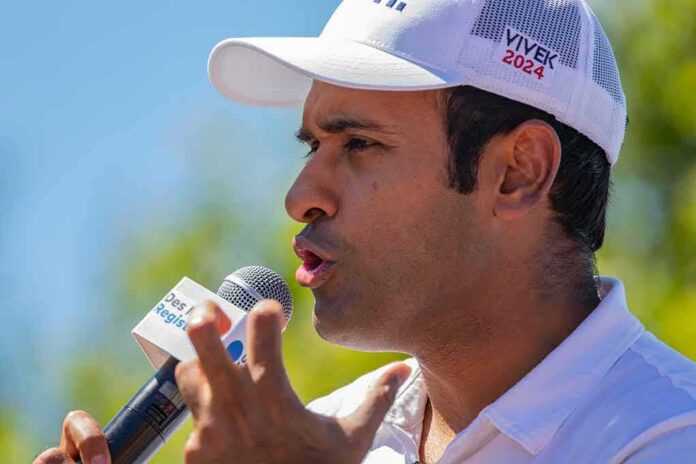
A $4 million attack ad built around an estranged mother’s on-camera accusations has exploded into the Ohio governor’s race, raising hard questions about truth, tactics, and transparency.
Story Snapshot
- Vivek Ramaswamy’s campaign confirmed it produced the ad and is funding a $4 million statewide buy.
- The video features a woman identifying as Amy Acton’s mother calling Acton a liar.
- Backlash spans parties, with critics calling the tactic cruel and revolting.
- Reports say the ad omits key abuse and estrangement history from the 1970s.
Campaign Ownership And Scope Of The Ad Buy
Vivek Ramaswamy told reporters the controversial video is from his campaign. He moved ahead with a $4 million television and digital buy across Ohio before the election. This confirms the spot is not a stray clip but a central message. The campaign said the ad tested well with persuadable voters. Sources did not release full polling details or dates. The buy ensures voters will see the message often, along with the strong reaction that follows it.
The ad features a woman who identifies as Amy Acton’s mother. In first-person language, she calls Acton a liar and urges voters not to support her. The campaign says the mother was not paid for the one-minute video. That claim addresses direct compensation but not other possible incentives. The campaign framed the spot as a matter of character and truthfulness, not a family feud. Reporters pressed for specifics beyond the mother’s statements.
Transparency Dispute And Missing Context
Reporters said the clip first circulated without a standard disclaimer. The campaign later confirmed ownership and responsibility. That delay fueled questions about transparency and compliance. Separate reporting highlighted major omissions. In 1978, the stepfather at the center of the family history was arrested and indicted for raping a 12-year-old girl, and Acton has been estranged from her mother since childhood. The ad does not include that history, which shapes how voters view the mother’s claims.
Amy Acton and her brother denounced the ad. They said the video tried to turn childhood sexual abuse into a campaign weapon. Her brother said both siblings were removed from their mother’s custody after the arrest, and that their mother stayed married to the accused man until his death. Those claims deepen concerns about using an estranged parent as a character witness. They also raise questions about fairness and relevance to fitness for office.
Bipartisan Blowback And What It Means For Voters
Criticism came from across the political map. Senator Sherrod Brown and former presidential candidate Nikki Haley condemned the tactic. Cleveland Mayor Justin Bibb called it cruel and beneath public service. Commentators said standing by the spot reflects poorly on character. This broad backlash suggests the controversy may now overshadow policy talk on budgets, crime, energy costs, schools, and border security that Ohio families care about most.
Research on negative ads shows mixed or small average effects on votes, even as they grab attention. Scholars have found these ads can shape media coverage but do not reliably win elections on their own. The big buy guarantees attention, but it also guarantees more scrutiny. For skeptical voters, the unanswered details matter. Clear documentation, full interviews, and specific, verifiable claims could help voters judge the truth, rather than react to edited clips.
How Conservatives Can Read This Moment
Ohio conservatives want integrity, limited government, safer streets, and lower costs. They deserve accountability in campaigning, too. If a claim rests on one estranged parent, voters should see the unedited interview, dates, and vetting. If there are specific alleged lies, they should be listed and proven with records. Character counts. So does context. Demand facts that stand on their own, without hiding the parts that do not fit the script.
Sources:
youtube.com, us.cnn.com, kmbc.com, cbc.ca, abc17news.com, beaconjournal.com, statenews.org, thehill.com, cnn.com, abc6onyourside.com, dispatch.com, usatoday.com, pmc.ncbi.nlm.nih.gov, onlinelibrary.wiley.com