
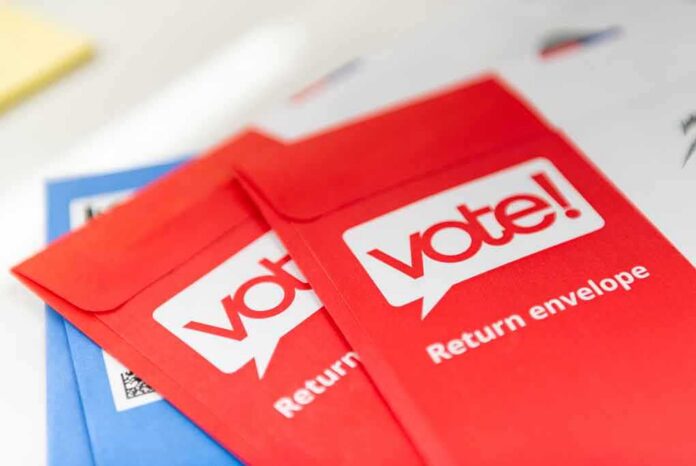
The Justice Department sued California to stop counting more than 20,000 mail ballots tied to suspected noncitizens, escalating a constitutional showdown weeks before votes are tallied.
Story Snapshot
- The Justice Department says California mailed ballots to over 20,000 likely noncitizens and seeks to block counting those votes.
- Federal officials delivered a list and asked election offices to set aside any linked ballots until citizenship is verified.
- California’s top election officials deny the claim and say the federal list lacks proof and usable detail.
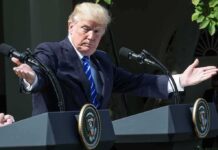
- President Trump backs legal action, warning officials not to count ineligible ballots during federal elections.
Federal Lawsuit Targets Alleged Noncitizen Ballots
The Department of Justice, working with the Department of Homeland Security, filed a complaint against California on October 15. The filing says more than 20,000 people “likely” not citizens are on voter rolls and received mail ballots for the federal election. The government is asking a court to bar the state from counting any ballot tied to those names until citizenship is confirmed. Prosecutors say counting ineligible ballots would violate federal law and weaken confidence in election results.
Justice Department lawyers state that federal immigration records informed the list of names. They asked local officials to set aside any ballots that match those names during the canvass. They also want a prompt review of each person’s eligibility, with any confirmed ineligible ballots rejected before certification. The department argues that this protects legal votes by stopping unlawful ballots from being mixed into totals. The requested remedy is targeted and time-limited to this election.
California Officials Dispute Evidence And Method
California Secretary of State Shirley Weber said the federal government has not provided evidence proving the listed people are noncitizens. She said the data and method behind the list remain unclear, making the material unusable for eligibility action. Los Angeles County Registrar Dean Logan said his office cannot withhold or refuse to count ballots based only on unverified allegations and unknown methodology. Both officials called for verifiable, case-by-case proof before any voter is flagged.
Logan also raised process concerns about how the data arrived. He said the Justice Department delivered a password-protected thumb drive and a handwritten password, which he said did not meet county security standards. State officials argue that sloppy process can cause bad matches and false positives. They warn that removing or pausing ballots on weak evidence risks disenfranchising lawful voters. They insist any review must follow state procedures and rely on records that can be confirmed.
What The Fight Is Really About: Counting Versus Verifying
The legal clash centers on sequence. Federal officials want ballots linked to the list set aside now, then verified, then counted only if lawful. California leaders say they will not block counting unless they receive verified, person-specific proof of ineligibility. That gap is driving the lawsuit. President Trump has framed the case as a defense of lawful voters and election integrity. California leaders cast it as a last-minute overreach that threatens eligible voters’ rights.
For conservative readers, the stakes are clear. Federal law sets citizenship as a bright line for federal elections. Election systems must guard that line without fear or favor. The Justice Department says it is doing exactly that by asking a judge to segregate ballots until citizenship checks are done. California’s response shows why this matters: when officials refuse to even hold ballots aside, improper votes can slip into totals and are nearly impossible to pull back later.
How To Weigh The Claims And Protect Your Vote
Two things can be true at once. First, documented noncitizen voting appears rare in past reviews. Second, even rare unlawful ballots can decide close races. The current dispute is not about mass purges. It is about a narrow, court-reviewed pause so only eligible ballots are counted in federal contests. That approach respects equal protection, election integrity, and the value of every legal vote. It also gives California a clear path: verify, then count, with a paper trail.
Here is the bottom line. The Justice Department put a specific list on the table and went to court to prevent suspect ballots from being mixed into certified results. California officials criticized the data and delivery, but they offered no competing audit to clear the list quickly. Patriots should expect transparency from both sides: show the method, verify citizenship fast, and protect the franchise by counting every lawful ballot—and only those ballots—before certification.
Sources:
pbs.org, justice.gov, cnn.com, latimes.com