Kurt Olsen resigned from the Justice Department while working the Florida “grand conspiracy” probe into Obama- and Biden-era officials, triggering fresh questions about the investigation’s direction.
Story Snapshot
- CBS News reported Olsen resigned from the Justice Department after serving on the South Florida probe.
- The investigation has issued a subpoena to former Central Intelligence Agency Director John Brennan, according to court filings and reports.
- Reports describe recent internal turmoil after separate leadership changes on the same probe.
- Grand jury rules limit what prosecutors can disclose about active investigations.
Confirmed Resignation From High-Profile Florida Assignment
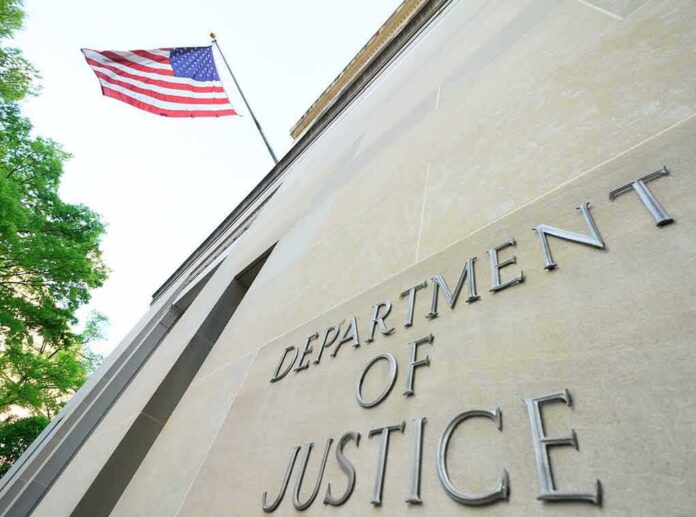
CBS News reported that Kurt Olsen resigned from the Justice Department. The outlet said he had been assigned to the U.S. Attorney’s Office for the Southern District of Florida on a wide-ranging “grand conspiracy” investigation into Obama- and Biden-era officials. The resignation marks another personnel shift inside a sensitive case that has drawn national attention. Sources did not state a reason for Olsen’s departure. The department has not publicly detailed next steps, citing standard limits around active matters.
The Florida assignment has focused on events and decisions tied to past administrations. The matter has featured aggressive use of the grand jury process, which often signals active evidence gathering. The move of a senior lawyer off a case like this can slow momentum. It can also lead to reassignments and fresh reviews of strategy. Conservative readers should view the change as a management moment, not a halt. The work continues until grand juries and supervisors say it does.
Subpoena Activity Shows Investigative Focus Continues
Reports say former Central Intelligence Agency Director John Brennan received a subpoena to testify before a federal grand jury in Florida. That step occurred as other leadership changes hit the investigation, suggesting the case remains active despite turbulence. Public filings tied to the subpoena show the government is testing claims and building a record. That is how serious cases move. Subpoenas are not verdicts; they are tools to force sworn testimony and document production in front of citizens seated on a grand jury.
Brennan’s legal team previously described calls with prosecutors working the Florida matter in which they referenced multiple viable grand jury tracks. Their account underscored that lines of inquiry include conduct linked to government security and intelligence decisions. These details, while limited, point to a broad scope. They also show prosecutors are still pressing forward after prior changes in leadership. Readers should expect more filings, more witnesses, and a steady grind as the grand jury weighs evidence under the rules.
Why Grand Jury Secrecy Limits Public Details
Federal Rule of Criminal Procedure 6 governs grand jury secrecy. The rule bars prosecutors, agents, and grand jurors from sharing what happens inside the room, except in narrow circumstances. The rule protects witnesses, the integrity of evidence, and potential targets who have not been charged. That is why agencies rarely confirm specifics about witnesses or testimony timelines while a probe is live. When you hear little from officials, it is often because the law requires silence, not because the case is stalled.
These secrecy rules also explain uneven news bursts. Confirmed items tend to surface through court filings, such as subpoenas, or from lawyers speaking on behalf of clients who received them. Reporting on personnel changes, like Olsen’s exit, usually comes from informed sources. Official statements remain sparse until a charging decision or a public court event. This structure can frustrate the public. But it guards the rights of everyone involved and preserves the strength of any future case before a judge and a jury.
What Olsen’s Exit Means For The Investigation’s Path
High-profile investigations often see staff shifts as pressure rises and legal issues multiply. Prior reporting has described internal clashes and resignations on this same Florida probe. Those shifts can signal hard choices about targets, charges, and timing. They can also indicate standard rebalancing of workloads. What the record shows today is simple: Olsen is out, the grand jury is active, and the subpoena trail reaches senior former officials. That is forward motion, not retreat.
For readers who want equal justice under law, the core test remains results. Grand juries can accept or reject charges. Prosecutors must meet strict standards of proof. If charges come, they will rest on sworn testimony and documents, not leaks. If no charges come, that outcome will also speak loudly. Until then, patience and prudence are the conservative path. Demand fairness, demand transparency at the right time, and demand that the law apply the same to every name and every office.
Sources:
cbsnews.com, declassified.live, yahoo.com, politico.com, congress.gov