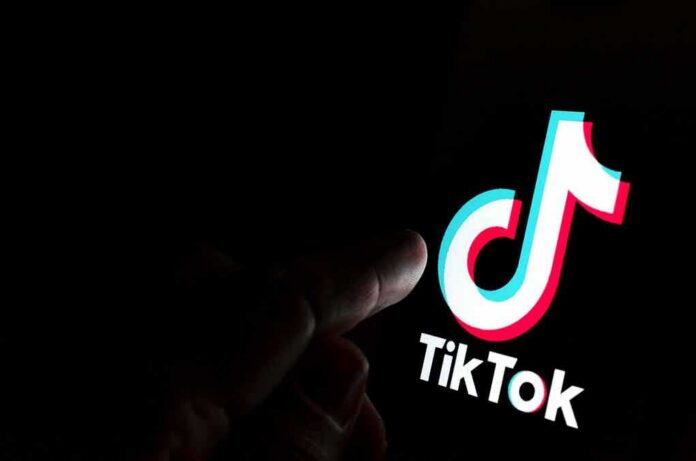
TikTok will pay Alabama at least $100 million and lock in teen limits after state prosecutors pushed the company to the brink of trial.
Story Highlights
- Alabama secured a minimum $100 million from TikTok, with more possible under set conditions.
- TikTok must add teen safeguards, including a two-hour daily cap and overnight restrictions.
- Parents will gain stronger controls and a choice for teens to view a non-personalized feed.
- The deal arrives as states use settlements to shape child-online rules when laws lag.
Alabama’s Settlement Forces Cash Payment and Product Changes
Alabama Attorney General Steve Marshall announced that TikTok will pay the state a minimum of $100 million within weeks, with the potential to increase under defined triggers. The agreement came days before the first state trial over claims the platform harmed minors. The settlement also requires TikTok to change how teens in Alabama use the app, combining money with design rules. That mix mirrors a growing state strategy to police tech when federal action is slow.
Reuters reported that TikTok agreed to a two-hour daily time limit for teen users, stronger age checks, and use “pauses” after 15 minutes of continuous scrolling to disrupt binge behavior. The British Broadcasting Corporation said nightly access will be restricted from midnight to 6 a.m., aligning with school and sleep needs. These measures are designed to cut endless feeds at key times. The company did not admit wrongdoing but accepted the constraints to end litigation risk.
Parental Controls and Content Choices Aim to Reduce Harm
The Hill reported that parents will see more user-friendly tools to set limits, and TikTok will add a non-personalized feed option for teens to reduce algorithm-driven rabbit holes. Alabama’s package also bars cosmetic-procedure filters for minors, which critics say can fuel body-image pressure. These guardrails match what many families have asked for: simple settings, time caps, and fewer features that target teen insecurities. The changes provide clearer levers for parents to manage use at home.
State filings and news reports describe a model that echoes the giant settlement states reached with Meta Platforms, which also included time caps and staged pauses to break doom-scrolling patterns. That pattern matters. States are crafting product rules through court-enforced agreements, not just through new laws. Supporters say this speeds relief for families. Skeptics warn that design promises must work in practice and be enforced over years, not months.
Effectiveness Questions Remain as Regulators Press for Proof
United Kingdom regulator Ofcom said this year that TikTok and YouTube are “not safe enough” for children and failed to commit to strong changes at the time of its report, underscoring why enforceable deals with testing and oversight matter. Separate research found many social media safety tools do not work as advertised or are too hard to find, raising concerns about compliance and real-world impact for families. Alabama’s settlement will be judged by whether teens actually spend less time and see safer feeds.
TikTok has agreed to pay Alabama at least $100 million to settle the state's teen safety lawsuit, its first settlement with a state in a wave of similar cases. The deal landed just days before the trial was due to start.
For Alabama teens, the app will now enforce a two-hour…
— Ricky | Digital Ads & Strategy (@AdsByRicky) September 28, 2026
For conservative families, this outcome reflects key goals: hold Big Tech accountable, put parents back in charge, and protect children from corporate designs that prize engagement over health. The cash payment helps the state address harms, but the product rules may matter more day to day. Alabama moved first and forced change inside its borders. Other states will now decide whether to demand the same or stronger terms as this model spreads.
Sources:
zerohedge.com, content.govdelivery.com, alabamaag.gov, abcnews.com, dw.com, afp.com