Karl Rove’s warning that Trump-centered midterms could cost Republicans key races has set off a serious strategy fight inside the party.
Story Snapshot
- Rove says making midterms about Trump risks turning toss-ups into referendums on a polarizing figure.
- President Trump urges voters to “pretend I’m on the ballot” to boost turnout for Republicans.
- Dallas convention showcased a Trump-focused plan to recreate past turnout waves.
- Some Republicans in competitive races are trimming Trump branding as Election Day nears.
Rove’s Case: Keep Races Local To Protect Winnable Seats
Veteran strategist Karl Rove argued that centering the midterms on President Trump adds more risk than reward for down-ballot Republicans. He said splashing Trump across every toss-up would turn close contests into a referendum and force candidates to answer for every new remark or feud, instead of talking about local costs, crime, and schools. That approach, Rove warned, could drown out messages on border security, inflation relief, and energy, which still move swing voters in suburban and exurban districts.
Rove’s view fits a common midterm pattern. Parties often try to separate vulnerable candidates from a sitting president when approval ratings sag. Reporters have described some Republicans dialing back national branding and leaning on district issues after their primaries, even as they keep support for core policies on the border, policing, and the economy. The goal is simple: protect persuadable voters from noise, keep focus on prices at the pump, and win the seats that decide control.
Trump’s Pitch: Make It A Referendum To Supercharge Turnout
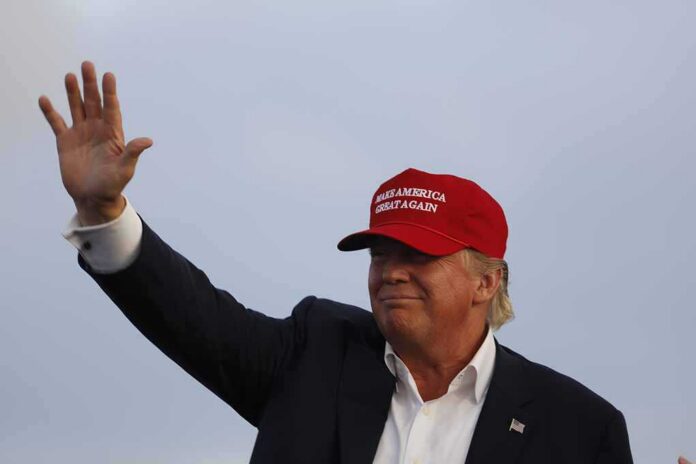
President Trump told supporters to “pretend that I’m on the ballot,” arguing his presence boosts Republican turnout and helps every nominee on the ticket. He and party organizers built the Dallas convention to spotlight him and to recreate the crowds that powered past wins. Reuters described the event as a Trump-focused campaign designed to galvanize the base for November across battleground states and key districts. The theory is turnout: bring irregular voters off the sidelines and flood early-vote windows.
Trump’s team believes enthusiasm is the difference in low-to-mid turnout midterms. Advisers and allied voices have pushed ads and rallies that elevate his record on the economy, border enforcement, and energy independence. They argue that when Republicans run on Trump’s achievements, they win, and when they hide from the brand, they lose steam. That hard push has already shaped schedules, TV bookings, and rally maps in the final stretch before ballots are cast.
Inside The GOP: Split Over Message Discipline And Risk
Party leaders face a trade-off between raw base energy and swing-district caution. Rove and other strategists prefer candidates highlight kitchen-table issues first and keep national drama to a minimum to avoid needless backlash in places decided by two or three points. At the same time, senior Republicans have leaned on Trump as the party’s top asset to animate volunteers and small donors, backing a heavier rally schedule to keep the grassroots engaged through Election Day.
Victor Davis Hanson: 1992 Election Warns GOP It Must Sell Its Economic Record Before the Midterms
The parallels between this midterm cycle and George H.W. Bush’s 1992 reelection loss are striking—a booming economy the public doesn't hear about, a missing messaging strategy, and… pic.twitter.com/kWQkhaqHYF
— Daily Signal (@DailySignal) September 25, 2026
Both camps accept some shared facts. Midterms usually punish the party in the White House. Close races turn on a few thousand votes. Turnout and message discipline both matter. The live question is balance. How much spotlight on Trump brings needed energy without pushing away undecided parents worried about bills, safety, and schools? The answer may vary by district. What works in a ruby-red county can backfire in a suburban seat decided by independents.
What Conservative Voters Should Watch Next
Voters should look for three signals. First, does each campaign keep its core promise clear: lower prices, secure borders, safe streets, and American energy dominance? Second, do field programs convert rally energy into door knocks, early votes, and ballots cured on time? Third, do candidates avoid getting dragged into side fights that help the left’s media narrative and distract from inflation, gas prices, and local crime trends? Execution on these basics often decides tight races.
Republicans do not need to choose between base energy and swing persuasion if they keep priorities straight. Lead every ad and stop with the cost of living, the border, and crime. Show how conservative policies cut red tape, lower energy costs, and defend families and faith from overreach. Use big rallies to fuel voter contact, not replace it. That is the lane to protect the Constitution, gun rights, parental authority, and the American worker, while denying the left another cycle of reckless spending and open-border drift.
Sources:
youtube.com, reuters.com, wsj.com, cnn.com