
WHO reports “encouraging signs” in Congo’s Ebola fight while warning the deadly outbreak is still growing and killing people.
Story Highlights
- WHO says Ebola transmission is easing in some hot spots but the epidemic remains severe.
- More than 7,200 cases and over 3,500 deaths have been recorded across seven provinces.
- Reuters confirms WHO’s mixed message: progress, but “far from over,” with months of work ahead.
- Vaccination of frontline workers and new trials are moving forward as cases diverge by region.
WHO Briefing Confirms Progress And Ongoing Danger
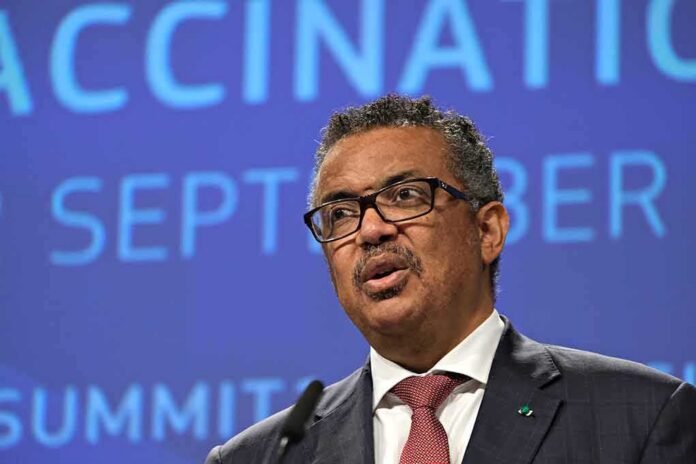
On September 16, the World Health Organization briefed the press on the Ebola outbreak in the Democratic Republic of Congo. The Director-General said officials are “gaining ground,” yet the epidemic “continues to kill.” He reported more than 7,200 cases and over 3,500 deaths across seven provinces. Those totals show the scale and why leaders warned against letting up now. This was a live, formal update focused on Ebola trends and operations that tied to WHO’s situation page entries.
Reuters covered the same briefing and echoed the caution. The agency reported that transmission is declining in Ituri while the outbreak remains “far from over.” A senior World Health Organization epidemiologist said many months of work remain. That aligns with the Director-General’s push to highlight both gains and risks at the same time. The message: progress is real, but the virus still spreads and still takes lives, especially where access is hard.
Regional Trends And Vaccine Efforts On The Ground
Officials said the picture is not the same across provinces. In the most affected parts of Ituri, transmission is going down. South Kivu has reported no new cases since May. That is welcome news for families and health workers who have fought this disease for months. At the same time, other areas still see active transmission, which keeps pressure on clinics, contact tracers, and local leaders who must break chains of spread fast.
The response now includes treatment trials, post-exposure prophylaxis, and vaccine work. More than 3,000 health and frontline workers have already received Merck’s Ervebo. World Health Organization leaders said vaccine trials should begin in the coming weeks. These steps aim to shield workers, calm community fears, and test tools that can cut deaths. Trials move faster when communities trust the teams and safety practices are clear and steady.
Why This Matters For Americans And Our Allies
Deadly outbreaks abroad do not stay abroad if we ignore them. Early action protects American health, troops posted overseas, and our economy. Clear facts help us judge risk and avoid panic. The briefing stressed that the outbreak can still grow if support stalls. That is why steady logistics, honest reporting, and tight border health checks matter. It is also why our leaders must push global agencies to be transparent and results-driven at every step.
The ongoing threat of #Ebola highlights the need for strong surveillance, rapid response and resilient health systems across Africa.
Today, @WHO Director-General @DrTedros is briefing the media on Ebola and other pressing global health issues, alongside senior WHO leaders.… pic.twitter.com/90Y3dS3Q7U
— Nigeria Health Watch (@nighealthwatch) September 16, 2026
For conservative readers, the take-home is simple. Facts beat spin. The World Health Organization reported wins in key areas and admitted the fight is not done. The numbers are large and sobering. The task now is execution: secure medical teams, speed vaccines and treatments, and hold every partner to clear goals and timelines. That protects families overseas, prevents spread to neighbors, and reduces the chance the virus reaches our shores through chaos and delay.
Sources:
youtube.com, reuters.com, media.un.org, who.int