

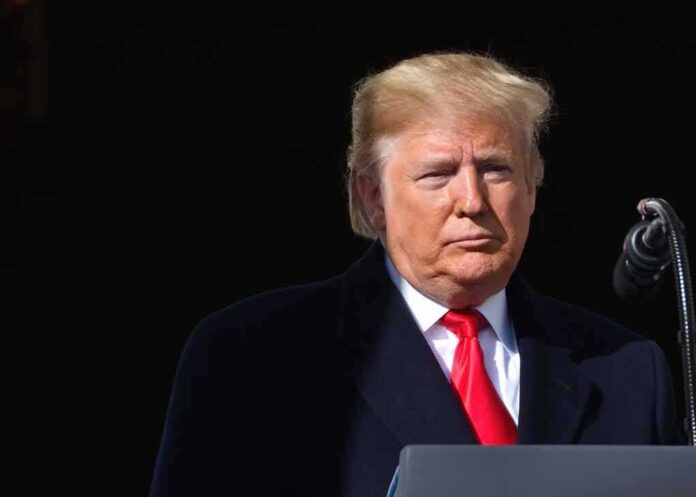
President Trump moved to force down pump prices by pushing refiners to make more fuel while launching cheaper “Freedom Fuel” stations, even as global shocks keep oil costly.
Story Highlights
- President Trump pressed refiners to boost gasoline and diesel output to ease prices.
- The Energy Department touts record production and more affordable energy under Trump leadership.
- Freedom Fuel stations offer discounts up to 50 cents per gallon below market rates.
- The Energy Information Administration links higher 2026 pump prices to global crude and Mideast disruptions.
White House Pushes Supply to Ease Prices
President Trump met with major refiners and urged higher output of gasoline and diesel to lower prices before the midterms. Bloomberg reported he delivered a direct message: make more fuel to give drivers relief. Refiners face tight margins and maintenance seasons, but more supply can cool prices if crude holds steady. The push signals a hands-on approach. The administration wants faster production, fewer bottlenecks, and steady deliveries to stations nationwide.
The Department of Energy frames the strategy as energy independence through higher domestic output and fewer red-tape barriers. The agency says the result is strong production and more affordable energy for families and businesses. Supporters argue that robust U.S. output helps counter foreign shocks and limits price spikes. That goal reflects a simple truth: more reliable American energy means more leverage and less dependence on unstable regions for vital fuel supplies.
Freedom Fuel Discounts Hit the Street
The White House backed the launch of a “Freedom Fuel Network” to sell gasoline below market prices in select cities. Politico reported discounts up to 50 cents per gallon, with the venture described as a private effort to help families. The Hill noted at least 25 stations have opened, including one in Philadelphia. These stations give drivers an immediate price break while broader supply actions work through the system toward sustained relief.
Discount stations do not replace national supply, but they set a price signal. When one corner station sells cheaper fuel, nearby stations often respond. That can widen savings in a neighborhood without a new law or mandate. Combined with refinery output gains, this approach aims to attack costs from both ends. Families feel help today at the pump while policy shifts push more barrels into the market over time.
Global Forces Still Drive Much of the Price
The Energy Information Administration explains that crude oil costs are the largest piece of retail gasoline prices. The agency’s outlook shows 2026 gasoline prices running higher than expected after Middle East tensions and shipping risks. Those disruptions have lifted crude costs and added volatility. No U.S. president controls global crude alone, but domestic production and refining can soften the blow and speed recovery when overseas shocks hit supply lines.
EIA analysts also documented how disruptions in the Strait of Hormuz have unsettled oil and products flows this year. That turbulence pushed prices higher and made planning harder for refiners and truckers. These are real world choke points, not talking points. The case for American energy strength is clear: more drilling, more pipelines, and more refining help America ride out storms abroad and protect family budgets at home.
What Supporters and Critics Agree On
Supporters point to strong production, regulatory relief, and targeted station discounts as proof of action. They argue that pairing domestic supply growth with strategic deals in the hemisphere can shift energy power west and steady prices. Even many critics concede that crude prices and geopolitics set the baseline. The core divide is not over physics but focus: build American energy fast, or lean harder on mandates and foreign supply to guide costs.
Here is the bottom line for readers. Gas prices rise when crude spikes and fall when supply grows and refineries run well. President Trump is pushing levers he controls: press refiners, clear roadblocks, and expand access to cheaper fuel at the street level. Those steps align with conservative values of strength at home, fair prices for working families, and less power for foreign regimes. More American energy means more freedom at the pump.
Sources:
youtube.com, theguardian.com, politico.com, westernpriorities.org, americanprogress.org, eia.gov