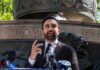
A 60-page federal lawsuit accuses Columbia University of ignoring doxxing and threats against pro-Palestinian students for years, sharpening the campus free-speech and safety fight.
Story Snapshot
- A new 60-page lawsuit says Columbia showed “deliberate indifference” to harassment of pro-Palestinian students.
- Plaintiffs allege threats and doxxing tied to perceived Arab or Muslim ancestry and activism.
- The filing claims repeated pleas for help were brushed off over two years.
- Columbia says it is committed to safety and prompt responses to concerns.
What the Lawsuit Says Was Happening on Campus
Mahmoud Khalil and student leaders filed a 60-page complaint in federal court in New York on September 14, 2026. The suit claims Columbia University knew about “severe, persistent and coordinated harassment” of pro-Palestinian students and did not stop it. The filing cites doxxing sites, threats, and smears aimed at students based on perceived Arab or Muslim ancestry and their speech about Palestinian rights. It argues this conduct harmed learning and safety, and that leaders were on notice yet failed to act.
The plaintiffs say they asked administrators for help again and again over two years. They claim they sent reports, met with offices, and raised concerns to school leaders. The complaint says the replies were late, weak, or missing. It argues that the university chose to frame their rallies as “security risks” instead of punishing people spreading threats and personal data online. The complaint says that posture chilled speech and made the harassment worse.
The Most Contested Allegations in the Filing
The lawsuit links campus doxxing and pressure to Khalil’s later immigration detention in March 2025, calling it a direct result of the university’s failures. That claim appears in the filing, but it has not been proven in court. The record shared so far does not show a public paper trail for every incident, email, or internal note the suit points to. These parts will likely be tested in discovery and at future hearings before a judge rules on them.
The plaintiffs also describe retaliation against supporters during Khalil’s detention, and say policy changes let Columbia punish on-campus criticism of Israel’s military or government actions. Reporters who reviewed the filing quote this claim, but courts have not ruled on it. The plaintiffs include Khalil, the School of International and Public Affairs Palestine Working Group, and its president, Mohammad Zubairi, suggesting harms beyond one student and across a defined group on campus.
How Columbia Responds and What the Law Requires
Columbia has not addressed each allegation in detail but says it is committed to protecting the community from discrimination and harassment, and to responding promptly and appropriately when concerns arise. The university also says creating a place where every member feels welcome, supported, and safe is core to its identity. Those are broad promises, not a point-by-point rebuttal of the plaintiffs’ timeline or specific reports described in the lawsuit.
🥊GLOVES OFF: WAIT… HE'S A VICTIM?
Katie sounds off after pro-Hamas campus chaos leader Mahmoud Khalil filed a lawsuit against Columbia University – claiming *he* was the victim – despite his actions to terrorize Jewish students and harass school employees. pic.twitter.com/CBhOsKjOeh
— Katie Pavlich Tonight (@KatiePavlichNN) September 16, 2026
Title VI of the Civil Rights Act bars discrimination based on race, color, or national origin for schools that receive federal funds. Courts apply a “deliberate indifference” test to hostile environment claims. Students must show severe or pervasive harassment that limits access to education, that the school knew about it, and that the response was clearly unreasonable. That is a high bar. Many campus cases turn on whether leaders’ actions were prompt and effective under that standard.
Why This Fight Matters for Free Speech and Equal Treatment
Parents want colleges to protect speech and keep students safe at the same time. This case presses both issues. The plaintiffs say security rules were used to label their speech as dangerous while doxxing went unchecked. Administrators often argue they must control crowds and interruptions to learning. Courts will now weigh those claims against the legal test. If the plaintiffs prove notice and weak responses, Columbia could face real exposure under civil-rights law.
For readers tired of campus double standards, the stakes are clear. Rules must be content-neutral, and safety policies must protect every student. That includes Jewish students facing antisemitic acts and Arab or Muslim students facing threats. The key question is equal and effective enforcement. The lawsuit asks a judge to test whether Columbia met its duties or looked away when some students were targeted. That answer will shape campus policy far beyond one school.
What Comes Next in Court
The case will likely move to discovery, where both sides can seek emails, incident logs, and security records. Depositions could probe who knew what, when, and how leaders weighed speech, safety, and discipline. The plaintiffs will press to link reporting dates to administrative action or inaction. Columbia will likely argue it acted reasonably and evenhandedly under tight and shifting conditions on a tense campus. A court’s early rulings could set the tone for a possible trial.
Until a judge rules, these allegations remain claims, not proven facts. But they raise a core test for higher education: will universities defend speech and apply rules fairly, or pick sides and punish dissent? Taxpayers fund these schools. Families expect equal protection under the law. Clear standards, transparent records, and evenhanded enforcement are not too much to ask. That is how trust is rebuilt, and how real safety and real freedom can both stand.
Sources:
nytimes.com, abcnews.com, al-monitor.com, washingtonpost.com, independent.co.uk, jta.org