
After weeks of “finish the job” rhetoric, the Trump administration is signaling it may walk away from the Iran campaign even if Iran keeps the world’s most important oil chokepoint effectively shut.
Quick Take
- President Trump publicly urged U.S. allies to secure the Strait of Hormuz themselves, even as global oil prices spike and shipping disruptions spread.
- Multiple reports say Trump has privately indicated he could end the U.S. military campaign without reopening the strait, a shift from earlier ultimatums.
- The Pentagon says it conducted large-scale precision strikes on Iran’s Kharg Island area, targeting military infrastructure while preserving oil infrastructure.
- G7 leaders pressed the White House to de-escalate quickly amid fears of a broader economic shock from energy costs.
- On the Right, the pivot is intensifying a MAGA divide: America-first restraint versus defending allies and global trade lanes.
Trump’s public message: burden-sharing, not open-ended policing
President Trump’s public stance shifted sharply in mid-March as he called on other countries to take responsibility for protecting shipping through the Strait of Hormuz. Reports describe Trump telling allies that nations benefiting from Gulf oil should “take care of that passage,” with the U.S. offering support rather than owning the mission outright. That messaging reflects a burden-sharing posture, but it lands during a moment when tanker traffic has been disrupted and prices have climbed.
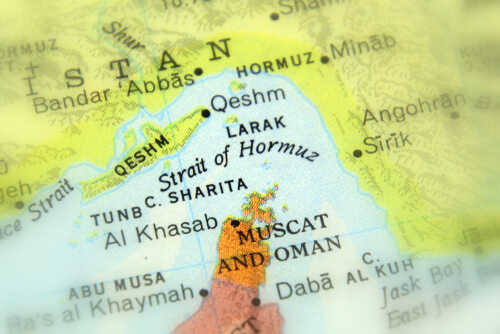
The Strait of Hormuz is not an abstract talking point; it is a narrow corridor that carries roughly one-fifth of the world’s oil to market. When Iran began targeting shipping at the outset of the current hostilities, tanker traffic was effectively choked, and markets reacted fast. For American families already angry about inflation and high energy costs, the political problem is simple: foreign crises can turn into higher prices at home, regardless of what Washington intended.
Private signals point to a different end-state than the rhetoric
Behind the scenes, reporting indicates Trump has told aides he is willing to end the U.S. military campaign even if the strait remains largely closed. The White House also signaled that reopening Hormuz is not viewed as a “core objective,” a notable retreat from earlier public pressure and deadlines tied to opening the passage. Secretary of State Marco Rubio has said communications with Iran continue through intermediaries, with some direct contact.
This disconnect between public victory talk and private flexibility matters because it affects deterrence, negotiations, and allied decision-making. Trump has described U.S. actions as decisive, including claims that Iran’s military capability was “destroyed” in sweeping terms. Yet Iran’s leadership has publicly vowed to continue the struggle and keep threats against the strait on the table. When both sides signal resolve, markets and allies prepare for a longer crisis, not a quick reset.
Pentagon strikes and Iran’s leverage over energy routes
Military operations have continued alongside the diplomatic backchannel. The Pentagon described a “large-scale precision strike” connected to Kharg Island, Iran’s key oil export hub, aimed at military targets including naval mine storage and missile storage sites, with reporting that oil infrastructure was largely preserved. Iran’s armed forces, for their part, warned that attacks on oil and gas infrastructure would draw reciprocal attacks on Gulf allies, raising the stakes for regional escalation.
The immediate strategic reality is that Iran’s leverage is not only missiles and proxies; it is geography. As long as the threat to shipping persists, global energy costs remain vulnerable, and so do U.S. domestic politics. Russia, a major oil producer, stands to benefit from sustained high prices, and the economic shock is not limited to Europe or the U.S.; reporting says the fallout is already hitting African economies as well. None of that requires a “regime change” agenda to hurt everyday Americans.
G7 pressure, allied expectations, and the limits of “help a lot”
G7 leaders have reportedly urged Trump to end the conflict quickly, with the economic impact front and center as oil rose above $100 per barrel. That pressure intersects with Trump’s public insistence that other nations should do more to secure the passage. The practical challenge is that shifting responsibility sounds clean on television, but coalition naval deployments take time, rules of engagement are politically sensitive, and no clear near-term plan has been publicly detailed in the research provided.
For a conservative audience that remembers the cost in blood and treasure of open-ended Middle East missions, the question is not whether America can win a strike campaign, but what “winning” even means. One expert analysis argues the U.S. could declare “mission complete,” commit to a unilateral ceasefire, and push Israel to stop as well, betting that Tehran’s partners would then pressure Iran to restore navigation. That approach is debated, but it reflects a growing insistence on defined objectives and an exit ramp.
Sources:
https://www.axios.com/2026/03/13/trump-iran-surrender-hormuz-oil
https://time.com/article/2026/03/14/strait-of-hormuz-trump-iran/