
Billions in food and agriculture funding are now tangled in a high-stakes fight over whether Washington can force states to sign onto sweeping “gender ideology” and immigration rules just to keep vital programs running.
Quick Take
- Twenty-one states and Washington, D.C., filed an 81-page lawsuit challenging USDA’s 2026 grant conditions tied to executive-order policy compliance.
- The states say USDA is unlawfully using funding strings to pressure states on DEI, “gender ideology,” transgender athlete policies, and incentives for illegal immigration.
- More than $74 billion in annual USDA-related funding is implicated, including SNAP, school meals, and other core state-administered programs.
- The legal claims center on the Constitution’s Spending Clause and the Administrative Procedure Act, arguing the conditions are vague and were imposed without proper procedure.
What the states are suing over, and why it matters
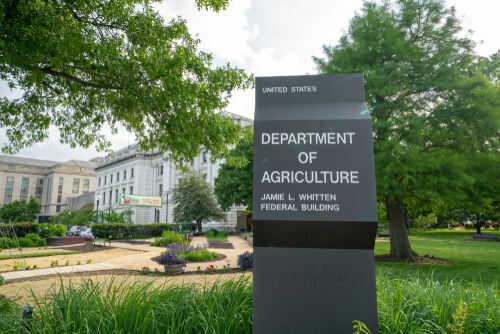
Attorneys general from 21 states plus the District of Columbia sued the U.S. Department of Agriculture in federal court in Massachusetts on March 23, 2026, targeting new 2026 “terms and conditions” the agency issued on December 31, 2025. The coalition argues USDA is tying grants to certifications and policy restrictions touching DEI programs, “gender ideology,” transgender athletes, and immigration-related incentives. The complaint warns the approach risks major funding streams states use daily.
The stakes are not abstract. Reporting and state statements describe more than $74 billion annually flowing through USDA-backed programs that include SNAP, school nutrition, and other assistance and infrastructure categories connected to agriculture and food access. The lawsuit seeks to block USDA from conditioning this support on policy commitments the states argue Congress did not authorize. The coalition also says USDA has not clearly identified which specific grants are subject to the new conditions, complicating compliance.
The legal core: Spending Clause limits and the APA process fight
The states’ primary constitutional argument relies on the Spending Clause principle that when the federal government offers money to states, the conditions must be unambiguous and tied to the program’s purpose. The coalition alleges USDA’s conditions are vague and ideological in nature, making it difficult for states to know what conduct is forbidden or required. They also argue the agency is effectively rewriting the rules of funding programs that are formula-based or set by statute.
The lawsuit also raises an Administrative Procedure Act challenge. The plaintiffs contend USDA imposed these broad conditions without the typical notice-and-comment process that accompanies major policy changes, and without a clear explanation of how the agency has authority to attach executive-order priorities across a wide range of unrelated funding lines. That argument matters beyond this case because it goes to whether agencies can use paperwork conditions as a workaround for Congress when presidents change policy direction.
Political reality: a federal leverage tool that can cut both ways
The states frame the dispute as an attempt to “weaponize” essential funding as a bargaining chip, while the administration’s posture is described as aligning federal awards with executive orders on DEI, gender identity policy, immigration-related incentives, and transgender athletic participation. No court ruling had been reported in the available materials, meaning the case is in the early stage where judges often weigh whether plaintiffs can show likely success on the merits and imminent harm if funding is threatened.
Why conservatives should watch the precedent, not just the politics
Conservatives have long criticized progressive federal leverage—especially when Washington uses grants to push cultural or bureaucratic agendas states never voted for. This case flips the partisan script, with mostly Democratic-led states suing a Republican administration, but the constitutional question stays the same: how far can the federal government go in attaching policy conditions to money states rely on for basics like feeding children and supporting agriculture systems? If the conditions are upheld, a future administration of either party could expand the playbook.
For voters already weary of expensive bureaucracy and Washington “strings,” the lawsuit underscores a tension inside today’s conservative coalition: many want federal agencies to stop funding divisive ideology, but many also want strict limits on executive power and agency overreach. The court’s answer—especially on clarity, statutory authority, and APA procedure—could shape how future presidents try to steer states without Congress. For now, the key fact is simple: the fight is about control of the purse, and the programs at risk are ones families notice immediately.
Sources:
U.S. States Sue USDA Over Funding Conditions Tied to Policy Compliance
Attorney General Bonta Files Lawsuit Challenging Trump Administration’s USDA Funding Conditions
21 states sue USDA over funding conditions they say would threaten school meals
21 states sue Trump admin over USDA funding conditions
States Challenge USDA’s Anti-DEI Funding Conditions