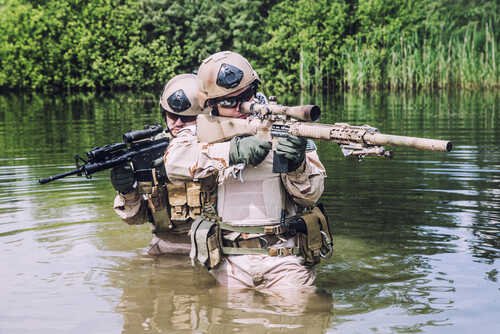
A covert SEAL Team 6 mission inside North Korea, authorized under President Donald Trump, is raising alarm over secrecy, oversight, and diplomatic fallout after civilian deaths forced its collapse.
At a Glance
- Trump approved a covert SEAL mission in 2019 targeting North Korea’s nuclear program
- SEAL Team 6 reportedly killed unarmed civilians, aborting the operation
- Mission remained secret until exposed by The New York Times in September 2025
- Experts warn of weakened U.S.–North Korea diplomacy and oversight gaps
- Pentagon and White House have not confirmed details of the raid
Trump’s Covert Gamble
The mission, carried out in 2019, was reportedly designed to plant surveillance equipment inside North Korea to monitor its nuclear program. According to The New York Times, the operation unfolded during tense negotiations between Washington and Pyongyang. The choice to proceed during such a precarious moment reflected the administration’s push for direct intelligence despite diplomatic engagement.
The raid unraveled when SEAL operators fatally misidentified a civilian fishing crew as hostile. The incident triggered an immediate withdrawal, leaving the mission incomplete and undisclosed. For six years, the episode remained classified until recent reporting forced the matter into public view.
Watch now: Secret SEAL Mission Fallout
The revelation has reignited debates over whether such unilateral operations undermine U.S. credibility abroad, particularly when they bypass congressional notification protocols.
Fallout and Oversight Questions
National security analysts argue the mission illustrates the dangers of unchecked executive authority in covert warfare. Bruce Riedel of the Brookings Institution observed that Congress is often briefed only in partial terms, leaving lawmakers without the full scope of risks involved in such operations. Critics contend this secrecy creates space for errors that could spark military escalation.
The civilian deaths complicate U.S.–North Korea relations at a time when trust remains fragile. If Pyongyang views the mission as an act of aggression, the potential for retaliation rises, placing future diplomatic efforts in jeopardy. The risk is compounded by North Korea’s sensitivity to perceived provocations, particularly those linked to its nuclear program.
Watch now: Experts Debate Covert Operations
Congressional voices are expected to demand new oversight mechanisms, potentially expanding reporting requirements for high-risk covert operations. The debate now centers on how to balance national security needs with democratic accountability.
Expert Views and Long-Term Implications
Legal scholars, including Stephen Vladeck of the University of Texas School of Law, argue that excluding Congress from the approval chain marked a significant deviation from established norms. The mission’s failure, he suggests, underscores the necessity of statutory guardrails to prevent executive overreach.
Some former officials defend the mission as a calculated risk given the opacity of North Korea’s nuclear program. Others counter that the strategic value never outweighed the diplomatic and ethical costs of a botched raid. The use of anonymous sources in The New York Times reporting highlights the classified sensitivity of the subject but also raises questions about accountability for those responsible.
The long-term implications could include a chilling effect on future U.S. covert actions in North Korea and renewed debate over the ethical limits of special operations forces. Whether this episode leads to policy change or fades into classified obscurity remains uncertain, but its exposure has already forced a public reckoning on the boundaries of American power.
Sources
The New York Times
ABC News
Brookings Institution
University of Texas School of Law