
A new push by Sen. Elissa Slotkin to celebrate the “Seditious Six” video again spotlights a message that told troops they could refuse “illegal orders,” drawing fresh alarms about undermining command and control.
Story Highlights
- Six Democrats told service members they could refuse “illegal orders” in a public video.
- The video never named a specific unlawful order or real case.
- The Federal Bureau of Investigation (FBI) asked to interview all six after the video.
- A grand jury later declined to indict the lawmakers over the video.
What The Video Said, And What It Did Not Say
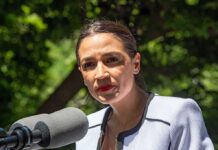
Six Democratic lawmakers, including Sen. Elissa Slotkin and Sen. Mark Kelly, recorded a video stating troops “can refuse illegal orders,” and “must refuse illegal orders.” They said service members swore an oath to the Constitution, not any one leader. The video did not identify any real order or scenario. It did not explain how a young service member should judge legality in the field. Reporters noted the lawmakers offered no specific example of an unlawful command.
The message reached far beyond a classroom setting. It was aimed at active-duty troops and intelligence staff. That is why the White House called it dangerous at the time, framing it as a prompt to defy the chain of command in real time. The six said they were only restating settled law. But the line between legal theory and practical action matters when orders must be followed fast to keep units safe and missions on track.
Why Investigators Looked, And What They Found
After the video spread, the Federal Bureau of Investigation’s counterterrorism arm contacted the six and requested interviews to see “if there’s any wrongdoing, and then go from there,” according to reporting at the time. That step showed the government took the message seriously. The inquiry sought facts about intent, any coordination with troops, and any impact on operations. No arrests followed. Months later, a grand jury declined to indict the lawmakers over the video.
That outcome means no criminal charge moved forward on the available record. It does not mean the message was wise policy. The legal bar for a crime like seditious conspiracy is high and narrow. It focuses on agreements to use force or to block law by force. The reporting on the video did not show those elements. The result left the political and national security questions unresolved for leaders and voters to judge.
The Chain Of Command And The Risk Of Mixed Signals
Military order and discipline depend on clear lines. Training already teaches troops to refuse unlawful orders, such as commands that would require a clear crime. But those lessons come with process, legal advice, and supervision. A broad public video from elected officials, without specific cases or rules, can cause confusion. Junior service members may guess at legality in a heated moment. That guesswork could cost lives or stall missions that protect our country.
Supporters of the six point to their service records and say the video echoes existing rules. Critics point to the timing and the audience. They argue the wording looked like political messaging aimed at troops during a tense period, not careful guidance in a classroom. Even the outlets that defended the lawmakers’ intent admitted the video did not cite real orders or defined scenarios. That gap is why concerns over command and control persist.
What Comes Next Under The Trump Administration
President Trump has made chain-of-command integrity a priority and demanded answers on any call to defy orders. The administration can do three things at once. First, reaffirm that troops must refuse clearly unlawful orders under the Uniform Code of Military Justice. Second, direct the Pentagon to issue plain-language training that gives real examples. Third, make clear that political videos aimed at troops’ obedience are reckless and will draw review when they risk unit cohesion.
Bottom Line For Readers
The “Seditious Six” video told troops to refuse “illegal orders,” yet never showed where the line would be in real life. The Federal Bureau of Investigation looked, found no chargeable case, and a grand jury declined to indict. But policy is bigger than prosecution. Our servicemembers need clarity, not politics. The Trump administration is right to guard the chain of command, protect lawful obedience, and keep partisan games away from those who carry the burden of our defense.
Sources:
npr.org, govexec.com, goupstate.com, aljazeera.com, wisn.com, kentucky.com, slotkin.senate.gov, butlereagle.com