
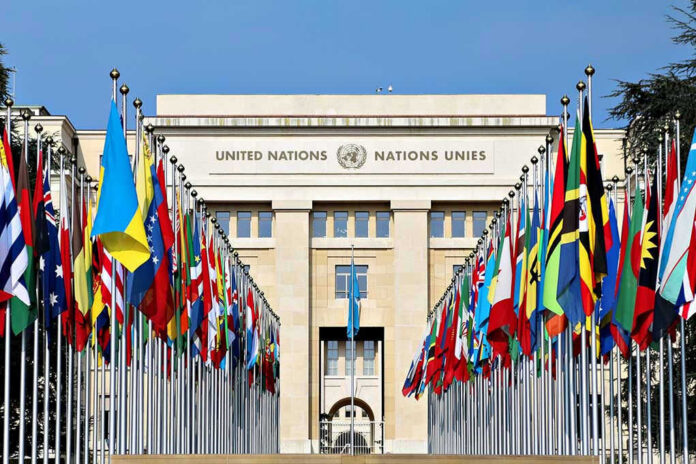
The United Nations just re-elected Iran to a committee that helps shape the organization’s program priorities with 144 secret-ballot votes, despite fierce objections from Western allies and U.S. lawmakers.
Story Highlights
- Iran won 144 votes in a secret-ballot General Assembly election to a UN committee.
- The seat runs three years on a 34-member Committee for Programme and Coordination starting in 2027.
- Canada and Australia said Iran’s repression and regional conduct make it unfit for the role.
- House Republicans called the UN “morally bankrupt” over the decision.
What the UN Voted On and Why It Matters
The United Nations General Assembly held a secret-ballot vote and awarded Iran 144 votes for a seat on the Committee for Programme and Coordination, a 34-member body elected for three-year terms beginning January 1, 2027. The committee reviews United Nations programs and advises on priorities across the system, making it a gatekeeper for how the bureaucracy sets and sequences its work. The election followed an earlier nomination stage at the United Nations Economic and Social Council.
The 144-vote figure shows strong support, but the process hid who backed Iran because the ballot was secret. Reports did not release totals for abstentions or invalid ballots, so the full breakdown is unclear. The election also did not show whether Iran faced a true contest or a regional slate, which often shapes these outcomes at the United Nations. That gap fuels anger from critics who argue legitimacy needs transparency, not just procedure.
Backlash From Allies and U.S. Lawmakers
Canada said it voted against Iran and urged others to do the same, citing repression at home and Iran’s role in regional instability. Canadian Foreign Minister Anita Anand called Iran a principal threat to regional peace in prior remarks and said the committee should be filled by states that uphold the United Nations Charter. Australia’s foreign minister said Iran’s human-rights record and destabilizing behavior undermine multilateralism and opposed the nomination.
Republicans on the United States House Foreign Affairs Committee blasted the result, calling Iran the world’s top state sponsor of terrorism and saying the United Nations is “morally bankrupt” for handing Tehran influence over priority-setting on disarmament, counterterrorism, and women’s issues. Their message echoed long-running concerns about United Nations bodies seating regimes that reject basic freedoms. The criticism focused on the message this sends to dissidents, victims of terror, and U.S. allies.
What the Committee Actually Does—and Why That Still Counts
United Nations pages describe the Committee for Programme and Coordination as the main planning and coordination arm for the General Assembly and the Economic and Social Council, reviewing programs and checking that mandates are carried out. It does not act like a court and does not set binding law. Still, it helps steer what the machine works on next, which meetings advance, and what staff spend time and money on. That is where values and priorities can tilt.
You can’t make this up.
The UN General Assembly just elected the Islamic Republic of Iran to its Committee for Programme and Coordination. This body reviews the UN’s work plans and budget priorities — including human rights, women’s rights, disarmament and counter-terrorism.… pic.twitter.com/0QcLpcT0BZ— Sofia Afonso Ferreira (@sofiafonsoferre) November 13, 2026
Supporters may say the vote followed rules and regional arrangements. Critics counter that process without moral standards rewards bad actors. The split shows a long-running United Nations problem: elections are political, not a test of virtue. When the ballot is secret, accountability fades, and regimes with grim records can still win seats. That is why Western objections, like Canada’s on-the-record no vote, hit hard even if outnumbered.
What This Means for the U.S. and Allies
The election forces a policy choice. President Trump’s administration can keep pressing allied blocs to disclose votes next time, rally open opposition, and cut the space for secret deals. Congress can tighten oversight of United States funding tied to committees that elevate hostile regimes. Partners like Canada and Australia have already set a public bar by naming their votes and reasons. Transparency, not quiet ballots, is the best check on this pattern.
Key Limitations and Next Steps
Reports confirm the 144 votes, the secret ballot, the three-year term, and the committee’s role, but do not include the United Nations tally sheet, abstentions, or whether Iran faced a contested slate. United Nations records describe the committee’s planning mandate yet leave room for confusion about how far it reaches into areas like human rights or counterterrorism programs. Obtaining the official vote record and mandate text would clarify the scope and the election mechanics.
Sources:
facebook.com, app.jpost.com, en.imam-khomeini.ir, iranwire.com, clevelandjewishnews.com, openparliament.ca, iranintl.com, un.org