

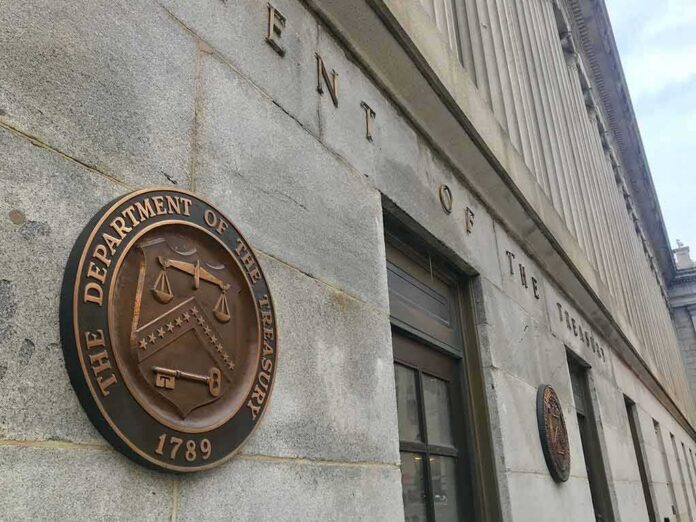
Treasury and the Internal Revenue Service moved to pull tax-exempt status from private schools that discriminate by race across admissions, scholarships, athletics, and all student programs, drawing a bright line against race-based preferences.
Story Highlights
- Proposed regulations would deny section 501(c)(3) status to private schools that discriminate by race.
- The rule covers admissions, scholarships and loans, athletics, and every school-run program.
- No carve-outs are reported for so-called “benign” race-conscious or diversity programs.
- The change is prospective and would take effect for tax years starting on or after May 31, 2027.
Treasury’s Proposal Draws a Clear Line on Race-Based Policies
The United States Department of the Treasury and the Internal Revenue Service issued proposed rules on September 3, 2026, to deny federal tax-exempt status to any private school that adopts, maintains, or enforces policies that discriminate on the basis of race, color, or national or ethnic origin. The proposal states the bar applies across admissions, educational policies, scholarships and loans, athletics, and all school-administered programs. The measure uses the tax code to push equal treatment and to shut the door on race-based preferences presented as “equity” or “inclusion”.
The agencies framed the action as a formal rulemaking, with a notice of proposed rulemaking and a new regulation section under 501(c)(3) described in tax commentary. The move builds on a long-standing position that racially discriminatory schools do not qualify as charitable organizations. That view dates back to Internal Revenue Service rulings and procedures that linked exemption to a racially nondiscriminatory policy toward students in all school programs. The proposal makes that standard explicit and enforceable across more categories of school activity.
Longstanding Non-Discrimination Rules Inform the New Standard
Internal Revenue Service Publication 557 has long said that private schools must have and state a racially nondiscriminatory policy as to students and must not discriminate in admissions, scholarships and loans, athletics, or other school-run programs. Revenue Procedure 75-50 set out how schools should show that policy and keep records that support equal treatment. The new proposal takes those principles and writes them into a clear, modern regulation that ties failure to comply to loss of tax-exempt status under section 501(c)(3).
The proposed rule cites the “fundamental public policy” against racial discrimination, a concept courts have recognized when reviewing tax exemption for private schools. That legal backdrop explains why Treasury and the Internal Revenue Service can require equal treatment as a condition of federal tax benefits. The agencies present the change as a compliance step, not a retroactive penalty, and set the effective date for tax years beginning on or after May 31, 2027, to allow time to adjust.
What Changes for Schools and Why It Matters to Families
Schools that still use race-based preferences in admissions, aid, programs, or facilities now face a clear choice. End policies that sort students by race, or risk losing tax-exempt status. Tax commentary reports the proposal does not include exceptions for “benign” affirmative action or diversity initiatives, which means labels will not shield race-based rules from scrutiny. This direct standard aims to protect equal opportunity and end programs that elevate ideology over individual merit.
Parents who want fairness for their kids gain a more level field. Donors who back faith-based and community schools get clearer guardrails on what qualifies as charitable. The plan also helps honest schools by curbing competitors that tilt the scales with race preferences. The Internal Revenue Service will still need to explain how it will examine and enforce the rule, since the full regulatory text and specific tests were not included in the brief public summaries cited here.
Process, Timing, and Open Questions That Deserve Comment
The notice invites public input through the rulemaking process. Schools, parents, alumni, and donors can ask for bright-line definitions, safe harbors for neutral outreach, and simple compliance steps that do not add cost. The record so far does not identify specific enforcement cases under the new standard, so practical examples from the Internal Revenue Service would help everyone plan ahead. Clear examples would also reduce fear and stop overreach by compliance offices on campus.
18,000 PRIVATE SCHOOLS COULD FACE A CHOICE: END RACE-BASED PREFERENCES OR LOSE TAX-EXEMPT STATUS.
Straight take: On September 3, Treasury and the IRS proposed denying 501(c)(3) status to private schools that discriminate by race, color, or national or ethnic origin. It covers… pic.twitter.com/nFs1r0XoxY
— JonathanFrye (@jonathan_f32966) September 3, 2026
The proposal fits a broader push to end discrimination and restore merit. Supporters can back it as common sense: the federal government should not subsidize any school that treats students differently because of race. Critics may raise process or paperwork concerns. But the core rule is not new. It restates a long American principle in tax law: public charity and racial discrimination cannot live under the same roof.
Sources:
insiderpaper.com, currentfederaltaxdevelopments.com, taxprofblog.aals.org