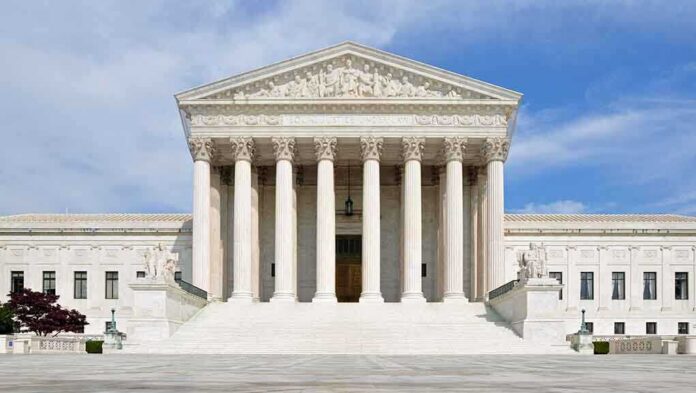
A federal judge is weighing whether the Kennedy Center board can add “Restored and Renovated by President Donald J. Trump” to the facade despite earlier court orders saying only Congress controls the name.
Story Highlights
- The board voted 20-3 to add a Trump credit inscription and name the plaza after him.
- A judge previously ruled Congress alone controls the Kennedy Center’s official name.
- Democratic trustee Joyce Beatty seeks to block new Trump wording on the building.
- The dispute now centers on whether a “credit” inscription skirts the court’s limits.
What The Board Approved And Why It Matters
Reuters reported the Kennedy Center board, with many Trump appointees, voted 20-3 on August 13 to add exterior wording reading “The John F. Kennedy Center for the Performing Arts Restored and Renovated by President Donald J. Trump,” and to name the grounds “President Donald J. Trump Plaza”. The vote aims to credit Trump-backed renovation plans without changing the center’s formal name. That fine line now drives the legal fight. Opponents say the move still violates the law and prior court orders.
The board’s action responds to years of resistance from Washington insiders who resist giving Trump public credit. Supporters argue donors, taxpayers, and audiences deserve straightforward attribution for major work. They say boards routinely recognize presidents and benefactors on plaques and signage. They also note operational authority sits with the trustees, who must plan, fund, and manage capital projects. The question is whether federal law lets recognition on the building’s face when Congress set strict naming rules.
What The Courts Have Already Said
On May 29, a federal judge said Congress gave the Kennedy Center its name and only Congress can change it. The court also wrote that the board cannot give the institution any other formal name or public memorial by itself. A legal clearinghouse summary notes the judge concluded the center is to be named for President Kennedy alone, and that a Trump renaming was unlawful without an act of Congress. That ruling shaped the next steps and prompted the board to try a narrower “credit” approach.
Associated Press reporting said Congress continues to refer to the venue as the Kennedy Center and that the law bars the board from turning it into a memorial for someone else or putting another person’s name on the exterior. That point cuts to the heart of today’s hearing. Does an inscription that thanks a sitting president for restoration count as a second “memorial,” or is it simple recognition that many institutions post? The court must interpret the statute and the scope of the earlier order.
The New Legal Challenge And The Stakes
Reuters reported Democratic trustee Joyce Beatty plans to seek a court order blocking the new inscription and plaza naming, arguing the August 13 vote defies the prior ruling. National Public Radio reported the board already sought a stay in June, showing this fight was never closed after the May decision. If the judge blocks the inscription, the board may have to confine any Trump credit to interior plaques or programs. If the judge allows it, exterior wording could proceed after early September timelines referenced in filings.
For many conservatives, the dispute highlights a familiar pattern. Washington elites praise the arts center while denying fair credit to a president they dislike. The plain reading from the bench protects Congress’s naming power. But nothing in that principle should erase basic recognition for leadership on major upgrades. The best path is to obey Congress’s naming control while permitting accurate credit for restoration work, so taxpayers are told who led and delivered results.
How The Law Draws The Line
Public Law 88-260 established the center as a living memorial to President John F. Kennedy and set rules for memorials and designations on site. A recent bill text reiterates that Congress retains sole authority to rename the center and bars the board from voting to rename it by itself. These sources place a bright line around formal names. The open question is where “recognition” ends and “public memorial” begins when it appears on the facade instead of in a program or interior plaque.
Practical solutions exist that respect both limits and transparency. Interior signage with clear project credits avoids conflict with exterior memorial rules. Public programs, digital listings, and annual reports can document who drove funding and construction. If the court approves the new inscription as recognition, the board should keep it modest and factual, not a second marquee name. If the court rejects it, the board can still honor work inside while Congress retains final say outside.
Bottom Line For Readers
The court already barred any new “official” name without Congress. The board now seeks only a credit line and a plaza name to honor restoration leadership. Whether that crosses into a second memorial is what the judge will decide. Conservatives should insist on two truths at once: Congress controls the official name, and Americans deserve straight credit for results. Transparency is not a crime. It is common sense, and it keeps government accountable to the people who fund it.
Sources:
abcnews.com, cnbc.com, beatty.house.gov, usnews.com, caselaw.findlaw.com, theatlantic.com, clearinghouse.net