

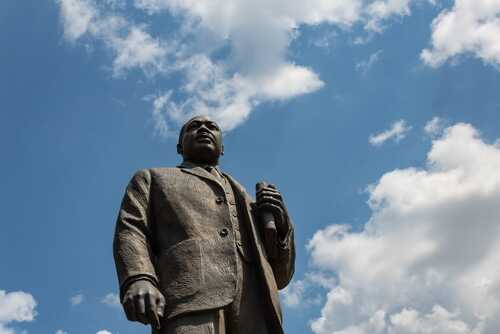
The Trump administration’s release of FBI files on Martin Luther King Jr. defies the wishes of his family and risks tarnishing his legacy.
At a Glance
- Over 230,000 pages of FBI records on MLK Jr. were released under Trump’s directive.
- King family members, including his daughter, publicly opposed the release.
- Documents detail decades of surveillance led by J. Edgar Hoover.
- The release aligns with Trump’s Executive Order on transparency.
- Historians warn of unverified claims resurfacing alongside new insights.
A Historic Gamble on Transparency
President Trump authorized the declassification of more than 230,000 FBI pages related to Martin Luther King Jr., positioning it as a decisive move toward government transparency. The trove comprises surveillance notes, internal memos, and files on King’s assassination plotline and the James Earl Ray investigation. Advocates of openness say this grants the public direct access to government archives, promoting historical clarity.
However, civil rights leaders and King family representatives vehemently opposed the release. They expressed fear that disinformation campaigns once waged by the FBI, including harassment and character attacks, could be reignited. Critics caution that unverified or context‑deprived snippets might undermine King’s legacy and reignite harmful rumors.
Watch a report: “Trump administration releases FBI records on MLK Jr.”
Political Fallout and Institutional Reckoning
The revelation lands as a reminder of the FBI’s dark chapter under J. Edgar Hoover, which featured covert efforts to discredit King. These tactics, once classified, are now exposed for public analysis—framing an overdue reckoning for federal investigative agencies.
For Trump, the release may bolster his transparency credentials—echoing previous actions such as early declassifications in political probes. But it could also alienate civil rights advocates who view the move as tone‑deaf or opportunistic. As historians dig deeper, new controversies are expected to emerge, prompting debates about whether the files reveal nothing but truth—or revivable smears.
Legacy, Precedent, and the Power of Disclosure
This unprecedented release sets a precedent: presidential authority can override even familial appeals in the name of openness. It challenges future administrations to balance public interest with personal legacy protection. The decision may prompt policy reform on how government archives are shared, especially concerning iconic public figures.
Critically, the release demands careful public engagement. Historians must sift verified facts from fringe allegations as reports emerge. For a nation still grappling with race, memory, and justice, this episode could deepen understanding—or re‑open wounds. The country now faces a choice: learn from its past or weaponize it.