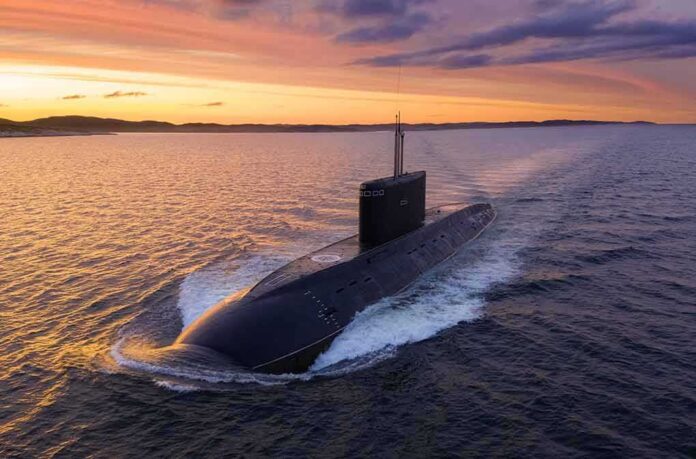
Russia built its Akula attack submarines with high-strength steel, not titanium, to speed production and cut costs while chasing U.S. Navy stealth.
Story Highlights
- Akula submarines use low-magnetic steel, not titanium, by design.
- Soviet industry could not mass-produce titanium hulls at scale in the 1970s.
- Steel enabled more boats at lower cost, with some size and speed tradeoffs.
- Titanium boats like Sierra existed, but Akula took the practical path.
Akula’s Steel Hull Decision Came From Industrial Limits
GlobalSecurity reports that Project 971 Akula submarines were designed from the start with a steel hull, specifically low-magnetic steel for stealth benefits. Program notes describe a 1976 decision to proceed with steel because Soviet factories could not mass-produce the costly titanium hulls used on other classes at scale. This choice grounded the fleet in what industry could actually deliver. It kept throughput higher and timelines tighter as Moscow raced to close the gap with quiet U.S. boats.
A Naval Submarine League archive adds detail on the pressure hull material, listing steel AK-32 with a high yield strength, which supports the identification of steel as the core structural choice. That specification fits with the double-hull tradition in Soviet design. Engineers still aimed for low magnetic signature and quieting, while relying on a proven material that welders, shipyards, and supply lines could handle. The result balanced stealth goals with real-world production capacity.
Tradeoffs: More Displacement, Slightly Lower Speed, Broader Output
Archival commentary cites direct tradeoffs from the return to steel. It notes Akula’s surfaced displacement rose to about 8,000 tons and submerged displacement to about 13,000 tons, with top speed reduced to roughly 33 knots compared to titanium concepts. Even so, the class met the mission. Later summaries describe Akula as a large, steel double-hull submarine typical of Soviet practice, pairing toughness with solid acoustic work to threaten U.S. carriers and submarines. The steel choice did not end the hunt—it scaled it.
Defense reporting frames the steel path as a practical call that hit the sweet spot of cost and feasibility. A 2025 analysis explains the move to a “conventional” but very strong low-magnetic steel hull allowed the Soviets to reach key stealth and performance goals at a fraction of the titanium price tag, and with far better production prospects. Quantity mattered. A fleet that could be built, crewed, and maintained was more dangerous than a few exotic hulls that strained budgets and factories.
Clearing Up Confusion With Titanium Classes
Some Cold War boats did use titanium. The Sierra class is the headline example, with difficult welding methods and very limited numbers due to cost and complexity. That history often gets blended with Akula in media or online posts, which fuels the myth that Akula “switched” from titanium. The stronger reading is simpler: Akula was a steel program from the outset, designed to the same broad mission set as a titanium cousin, but optimized for scale and sustainment.
This pattern fits a wider Soviet tradeoff. Designers mixed exotic breakthroughs with choices industry could support. For Akula, that meant steel for the hull and focus on quieting, sensors, and weapons, rather than chasing titanium at any price. For U.S. readers, the bottom line is clear. Adversaries do not need the most exotic metal to threaten our sea lanes. They need numbers, training, and enough stealth to get close. Akula delivered that blend, at cost and on schedule.
Sources:
19fortyfive.com, archive.navalsubleague.org, subsim.com, globalsecurity.org, nationalinterest.org