

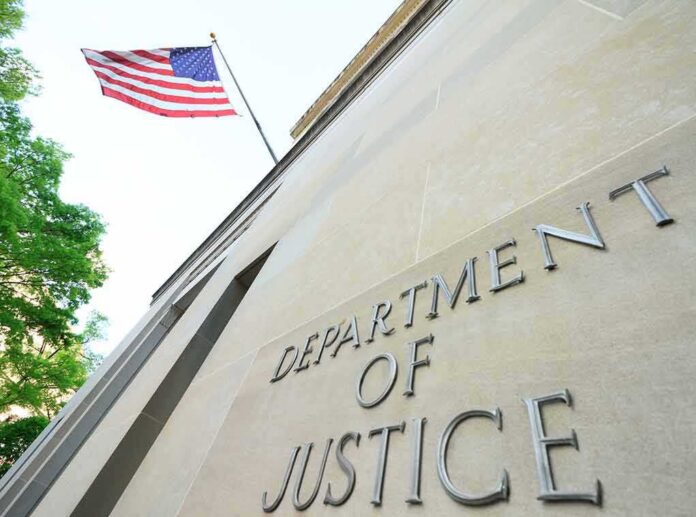
House Democrats say the Justice Department blocked help to U.S. states and allied nations investigating Jeffrey Epstein’s network — and the paper trail shows real requests went unanswered.
Story Highlights
- A House Judiciary letter details specific requests for Justice Department cooperation on Epstein records.
- Reports say Poland, Norway, Britain, and Latvia sought help that has not been approved.
- New Mexico sued to obtain unredacted files tied to Epstein’s ranch, alleging stonewalling.
- Justice officials cite victim-privacy laws and court orders to justify redactions and limits.
Documented Requests Put Federal Cooperation Under the Microscope
Rep. Jamie Raskin sent an October 21, 2026 letter asking Attorney General Todd Blanche and the Office of International Affairs for all records about foreign treaty requests and state cooperation in Epstein matters. The letter seeks denials, delays, and internal memos that explain why the Justice Department said no or held back. The Washington Post reported that the department confirmed receiving the letter and said staff would review it. That creates a clear paper trail for Congress to evaluate.
The Washington Post reported that police agencies in Poland, Norway, Britain, and Latvia asked for help and had not received approval from the Justice Department. The requests reportedly involved evidence, testimony, or records linked to Epstein and possible co-conspirators. The department did not publicly explain the status of those mutual legal assistance requests. Officials told the press they do not comment on those matters, which leaves foreign partners waiting and victims without answers.
New Mexico’s Fight for Unredacted Files Highlights a Domestic Clash
New Mexico, where Epstein owned a ranch, sued the Justice Department to obtain unredacted records, according to reporting cited by The Washington Post. State officials argue they were told in 2019 to pause their work while federal prosecutors moved ahead, with an expectation of later cooperation. They now say that cooperation did not happen as promised, costing them time and access to witnesses. The state wants records to press any crimes that fall within its laws and borders.
The Justice Department answers that it must protect victims and follow court orders. A Justice Department statement on the Epstein Files Transparency Act says victim-identifying and medical information must be withheld or redacted to avoid an unwarranted invasion of privacy. The department says it remains available to assist New Mexico, but only within those legal limits and protective orders. That means broad, unredacted dumps are off the table under current federal rules.
Privacy Rules, Redactions, and What That Means for Accountability
The Justice Department’s review protocol requires redacting names, personal details, and protected health data that could expose a victim’s identity. The department also cites Freedom of Information Act privacy exemptions and rules that shield law-enforcement techniques from public release. These are real legal duties, not optional policies. But heavy redactions can also slow or weaken state and foreign investigations that need specifics to build cases, question witnesses, or test timelines.
Critics argue the department has not explained each denial or delay. They want a case-by-case record showing why each foreign or state request was blocked, narrowed, or granted. The Washington Post noted that Justice officials described New Mexico’s ask as overly broad and said production could hinder law enforcement operations. Without a fuller public record, voters and victims cannot see whether federal caution is protecting privacy or simply protecting the bureaucracy from oversight.
What Conservatives Should Watch Next
Congress now has a defined path to answers: demand the actual requests, the denial letters, the redaction logs, and the legal memos that guided each decision. If the Justice Department followed the law, the documents should show it. If it did not, the record will reveal gaps and double standards. State and allied investigators deserve timely, lawful cooperation. Victims deserve privacy and justice. Both can be true when the rules are followed and delays are explained with facts, not silence.
Sources:
washingtonpost.com, democrats-judiciary.house.gov, timesunion.com