
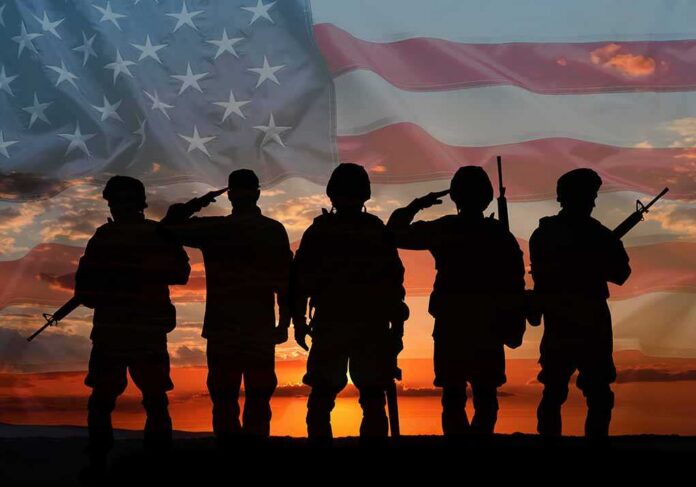
A leaked intelligence memo says Western veterans, including Americans, trained Russians in Europe after the Ukraine invasion, raising serious national security alarms.
Story Highlights
- A leaked assessment reportedly found with high confidence that Western veterans trained Russian citizens and active-duty personnel in Europe.
- The memo allegedly points to an Alfa-Metal camp in Bulgaria offering advanced close-quarters and sniper-style courses.
- Alfa-Metal denies training Russians since 2020 and rejects using Western special forces instructors.
- Public evidence naming specific U.S. veterans is not presented in the reports, leaving verification gaps.
What The Leaked Memo Allegedly Shows
Reports say an intelligence assessment, shared within the Five Eyes partnership, judged with strong or high confidence that Western veterans trained Russian nationals, including active-duty personnel, at private camps in Europe. The accounts cite Bulgaria and sometimes Serbia as locations, and describe advanced instruction such as close-quarters combat and sniper training. The reporting does not publish the memo’s full text, sourcing notes, or annexes, which limits public verification of dates, identities, and specific sessions.
Coverage identifies the Alfa-Metal center in Mejdeni, Bulgaria, as a focal site. Articles say the company marketed special-forces-style courses and listed instructors from various Western backgrounds, including a U.S. Army Special Operations Command veteran, matching the alleged training profile. The reports assert Russian nationals were still being trained after the February 2022 invasion, suggesting the activity continued despite sanctions and wartime alignment concerns. The documents, however, do not publicly name U.S. trainers tied to Russian students.
What The Company Says In Response
Alfa-Metal issues a categorical denial. The center says it has not trained Russian citizens since the start of the COVID-19 pandemic in 2020, has never trained Russian military personnel for the war, and has not used Western special forces veterans to train Russian nationals. The company calls the allegations false and disputes treating anonymous intelligence materials as established fact. Alfa-Metal’s on-record statement stands as a direct contradiction to the leaked memo claims.
Some outlets report the firm first denied any ties to a Russian private security company, then later acknowledged historical professional contacts when shown a page suggesting a past partnership. That change does not by itself prove training of Russians for the war, but it highlights why paper trails, archived webpages, and dated records matter. Without preserved site captures and attendance logs, both sides talk past each other, and the public gets fragments, not proof.
Why This Matters For U.S. Security And Law
If any American veterans knowingly trained Russians during wartime, that would be a serious breach of common sense, patriotism, and possibly law. Training an adversary undermines national security and risks U.S. lives on future battlefields. It could also collide with export-control style rules or sanctions if services enabled Russian military capacity. The reports do not present such legal findings. But the potential risk is obvious: American skills should never fuel regimes that target our allies or our troops.
Conservative readers expect accountability, and they are right. President Trump’s administration should press allied services for the memo’s full text and sourcing. Congress and the Department of Justice (DOJ) can review whether any U.S. veterans violated federal law or sanctions. Investigators should seek travel records, payments, class rosters, and archived course listings. Clear records would either confirm misconduct or clear American veterans of a damaging accusation. Transparency serves both national security and due process.
How To Cut Through The Fog
Modern conflicts breed private training markets and murky claims. Intelligence assessments often circulate without public evidence, while companies deny and tighten public messaging. The best path is verifiable documentation: dated media from camps, instructor contracts, attendee lists, and forensic web archives. One reliable, named record beats a dozen headlines. Limited disclosure from allied services keeps the public stuck. Real oversight demands more sunlight and fewer anonymous summaries.
Until records surface, hold two thoughts at once. First, the allegation is serious because helping Russian forces would harm U.S. interests and our allies in Ukraine. Second, the public case is not complete; it lacks named American trainers and hard-dated proof. The responsible course is to demand facts, enforce the law, and protect American know-how from aiding our adversaries. That is how we defend the Constitution, support our veterans, and keep faith with the nation.
Sources:
military.com, english.nv.ua, alfa-metal.com, clashreport.com