
The arrest of Istanbul Mayor Ekrem İmamoğlu sparked a political storm that plunged Turkish businesses into uncertainty and disrupted economic recovery.
At a Glance
- Ekrem İmamoğlu was arrested on 19 March 2025 on corruption and terrorism aid charges
- His detention triggered the largest protests Turkey has seen in over a decade
- The Turkish lira fell nearly 13–16% against the US dollar
- Major companies paused projects, slashed budgets and reassessed risk
- Nearly $50 billion in central bank reserves spent to defend the currency
Political Shockwaves, Economic Fallout
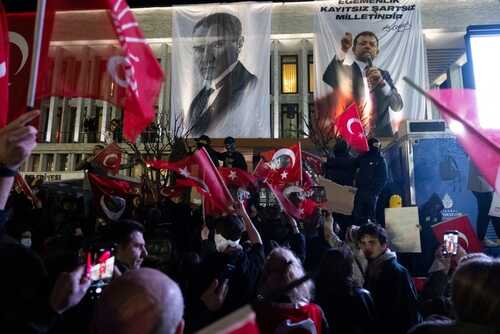
On 19 March, Turkey jailed İstanbul’s mayor, widely regarded as President Erdoğan’s leading political rival. Within hours, protests exploded across the country, uniting factions from all sides of the political spectrum. İmamoğlu’s arrest—alongside over 100 associates—was seen as an authoritarian lurch, triggering the largest anti-government demonstrations in over a decade.
Watch: Thousands protest in Istanbul against mayor İmamoğlu’s arrest · YouTube
Simultaneously, the Turkish lira plunged, shedding over 13% of its value in a single week. The BIST 100 index fell nearly 9% as capital fled. The central bank spent tens of billions of dollars in foreign exchange reserves in a frantic defense effort, while hiking rates to 50% to curb further outflows. Analysts warned of systemic investor distrust compounded by political instability.
Corporate Retreat and Consumer Collapse
The business community reacted swiftly. Construction firms, tech startups, and manufacturers all reported postponed investments and deferred hiring. According to the Istanbul Chamber of Commerce, over 1,000 firms filed for bankruptcy in the first half of 2025—twice the rate of the previous year.
Retail demand has weakened as well, fueled by online boycotts and consumer anxiety. Protesters launched “no-shopping” campaigns, urging citizens to avoid state-linked stores and corporations. The government responded by arresting individuals for incitement and economic sabotage. Firms with ties to İmamoğlu or the opposition found themselves under tax scrutiny and licensing review.
The Cost of Uncertainty
Finance Minister Mehmet Şimşek has since moved to reassure investors with fiscal stability measures and tighter monetary policy. Inflation has dropped to under 40%, down from a peak above 75%, but market sentiment remains cautious. Corporate executives are calling for legal clarity, depoliticized business regulation, and judicial independence—elements they see as prerequisites to any real recovery.
Turkey’s business elite now face an uncomfortable reality: profits no longer depend solely on market performance, but on political favor and ideological compliance. For many, the true cost of Erdoğan’s crackdown is only beginning to be counted.