Democrats privately rooting for a World Cup flop now face a Trump-era success they can’t spin away.
Story Highlights
- White House built a dedicated World Cup task force and funded security across 11 host cities [1].
- FIFA’s leader honored Trump with the first-ever Peace Prize, signaling global recognition [4].
- Administration directed $500 million for security tech like counter-drone systems [1].
- Media critics fixate on travel policy and optics while fans pour in and engage positively [1].
Federal Coordination Put Security And Logistics First
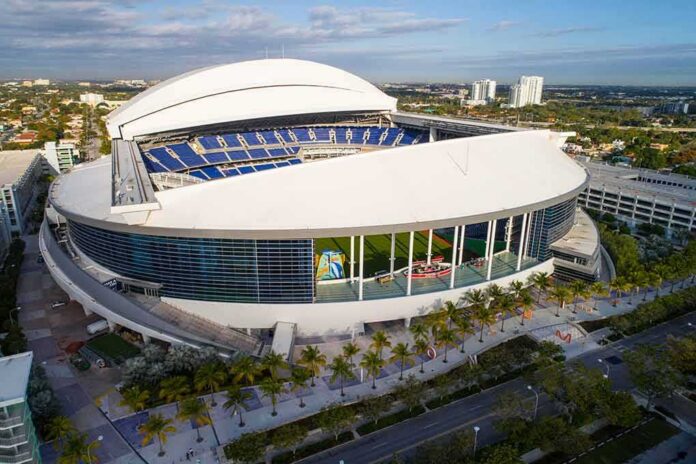
The White House formed a specific task force for the 2026 World Cup to coordinate agencies and support 11 host cities. The administration said it secured $500 million to harden venues, airports, and fan zones, including counter-drone coverage and airspace safety. That effort matched best practices for major events: plan early, set clear roles, and keep communication tight. This was not theory. It was a federal structure built to back local cops and first responders so matches could run on time [1].
Homeland and law enforcement partners used the task force to align playbooks, share intel, and move resources quickly. City leaders needed clear federal liaisons, especially for aviation, borders, and cyber threats. The task force answered that need. It also gave mayors a single door into Washington, instead of a maze of offices. That kind of unity kept fans safe without turning the event into a police state. Strong security with a light touch built trust with visitors [1].
Global Recognition Collided With Partisan Narratives
FIFA President Gianni Infantino awarded President Trump the inaugural FIFA Peace Prize before kickoff. The gesture came from soccer’s top leadership and signaled respect on the world stage. Critics questioned the optics and timing. Yet the basic fact stands: the head of FIFA publicly recognized the American president linked to the host effort. That undercut doomsday claims that the tournament would be an international embarrassment for the United States under conservative leadership [4].
Corporate and media voices tried to pull the story back to politics. Some reports highlighted travel rules and fees that can frustrate visitors. Others framed the event as “hyper-politicized,” with gloomy predictions about tickets and turnout. Those points landed with partisans, but they missed the field-level reality. Stadiums filled. Fans from many nations said they enjoyed American hospitality, food, and easy transport. Positive experiences travel far on social media, no matter the spin [1].
Economic Stakes And The Claim Of A Record Event
President Trump said the tournament would drive more than $30 billion in economic activity nationwide. He later praised record-breaking crowds and called the event a showcase of American capacity. Those claims were aspirational before the whistle. They became more concrete as packed matches and fan festivals stretched across the calendar. Final government audits will tell the whole story. For now, attendance strength and hotel and restaurant reports point in the right direction for host cities [8].
Skeptics argued that high ticket prices and travel snags would depress demand. They cited past tournaments and industry analysis to warn of softer sales. They also argued that politics would overshadow the sport. The early outcomes cut against that. Families filled trains. Downtowns saw long lines at small shops. Local police and federal teams kept order without major incident. If anything, the flow of fans showed the value of law and order, clear rules, and secure borders that still welcome lawful visitors [2].
Security Success And The Limits Of The Culture War
Security planners stressed tools like counter-drone systems and airspace rules to guard big crowds. The administration backed those needs with defined funds and a single federal playbook. That delivered what matters most at a global event: safety without chaos. Americans across the spectrum want that standard. Many also want Washington to stop wasting money. By channeling funds into targeted gear and joint operations, the government focused on results instead of flashy programs that do nothing [1].
Democrats and left-leaning outlets hoped the event would fizzle and stain the president. That wish hit a wall. The on-the-ground story favored working families and small businesses who depend on safe streets and steady crowds. Conservative readers know the pattern. When a Republican delivers stability, critics shout about optics. But fans care about clean subways, short waits, fair rules, and a good night’s sleep. The tournament met that bar because planning started early and never let up [1].
What Comes Next For Cities And Taxpayers
Host cities will tally wins and gaps once the final whistle fades. They should keep what worked: unified command, tight airspace control, and clear roles for federal teams. They should cut what failed: red tape and duplicate committees. Voters should also demand transparent audits on spending and economic impact. If the numbers confirm strong returns, Washington should use the same model for future mega-events, without caving to globalist fads or bloated wish lists that drain local budgets [1].
Sources:
[1] Web – ‘We Were Hoping It Would Fail’: Democrats Grapple With World Cup …
[2] Web – FIFA World Cup 2026 Task Force – The White House
[4] YouTube – Trump’s shadow looms over FIFA World Cup 2026 as …
[8] Web – The United States is lighting up the World Cup, so where is …