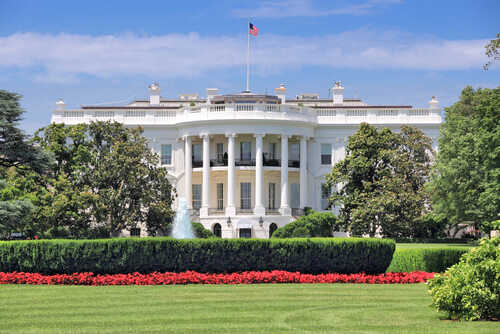
In October 2025, the demolition of the historic East Wing of the White House to facilitate the construction of a new privately funded ballroom has initiated public discussion concerning presidential legacy, the role of private funding in public projects, and the preservation of national heritage.
Story Highlights
- Construction of a new 90,000-square-foot White House ballroom, replacing the East Wing, commenced in October 2025.
- The $300 million project is funded by private donors and tech companies, with no taxpayer funds utilized.
- Reports regarding the ballroom being named “The President Donald J. Trump Ballroom” were denied by the White House, which stated any official naming would come from President Trump.
- The project has prompted discussions regarding presidential legacy, private funding in public spaces, and regulatory oversight.
Privately Funded White House Ballroom Sparks Debate
Construction of a new $300 million White House ballroom, designed to accommodate nearly 1,000 guests, began in October 2025. This project involved the demolition of the historic East Wing to create a 90,000-square-foot event space. Unlike previous renovations, this initiative is entirely financed by major technology companies and private donors, including Amazon, Apple, Google, HP, and Microsoft. The administration has characterized the project as a modernization effort, emphasizing that no taxpayer funds are being used.
The scale of the ballroom has become a subject of political debate. Critics, including Democrats and preservationists, have expressed concerns about the loss of national heritage, suggesting the demolition of the East Wing erases historical significance. Conversely, the administration has cited the limitations of existing event spaces and the need for updated White House facilities. Supporters of the project highlight the benefits of private funding, which they argue protects taxpayers from costs and leverages corporate support for public benefit.
White House responds to reports Trump named new ballroom after himself https://t.co/L8n4wsJbSL
— Fox News Politics (@foxnewspolitics) October 25, 2025
Naming Speculation and Official Response
Reports emerged in October suggesting the new ballroom would be named “The President Donald J. Trump Ballroom,” with unnamed sources indicating the title was already in use by officials. The White House subsequently clarified that any official naming decision would be announced solely by President Trump. President Trump informed reporters he did not intend to name it after himself, proposing a more neutral option such as “the Presidential Ballroom.” Despite these statements, the reliance on anonymous sources has contributed to ongoing speculation and partisan commentary.
Public discussion surrounding the ballroom’s name reflects broader considerations regarding personal legacy, government transparency, and political symbolism. Opponents, including Senators Elizabeth Warren and Andy Kim, and Chelsea Clinton, have utilized social media to criticize the project as an exercise in personal branding that disregards public sentiment and historic preservation. Republican supporters maintain that the ballroom represents a necessary upgrade that enhances the White House’s functionality and celebrates American achievement without increasing the national debt.
Regulatory Scrutiny and Partisan Divisions
The administration’s initial decision to proceed without review from the National Capital Planning Commission (NCPC) has drawn scrutiny from legal analysts and historic preservation advocates. The NCPC typically oversees significant federal projects to ensure accountability and heritage protection. While administration officials now state the commission will be involved “at the appropriate time,” the initial absence of formal review has raised questions about precedent and the scope of executive authority. This regulatory uncertainty has become a focal point for critics concerned about transparency and the erosion of oversight in government projects.
Construction of the ballroom is continuing despite a federal government shutdown, with private funding ensuring no delays for federal employees or taxpayer-funded budgets. The feasibility of the ambitious timeline is uncertain, considering it aims for completion before President Trump’s term concludes in 2029, given the project’s complexity. The long-term impact of the ballroom could establish a precedent for future public-private partnerships in federal renovations, potentially altering the funding and management of prominent American spaces.
Project’s Broader Implications
The White House ballroom project encapsulates broader discussions about presidential legacy, the influence of private wealth in public life, and the preservation of national heritage. While the administration emphasizes the generational legacy and cost-free benefits of the renovation, opponents caution against potential precedents in altering historical structures and bypassing legal checks. Partisan divisions have become more pronounced, with supporters viewing the project as modernization and critics perceiving it as excessive. The final decision on the ballroom’s name and its lasting legacy remains pending, symbolizing ongoing discussions about American values, tradition, and the stewardship of national institutions.
As construction progresses, observers on both sides of the discussion are monitoring the situation, acknowledging that the outcome will influence the future of the White House and the boundaries between executive power, public accountability, and private influence.
Watch the report: White House’s Karoline Leavitt pressed about the demolition of the East Wing
Sources:
- White House Responds to Reports Trump Named New Ballroom After Himself – The Independent
- White House responds to reports Trump named new ballroom after himself – Fox News
- Trump White House ballroom naming controversy – ABC News
- White House State Ballroom – Wikipedia