

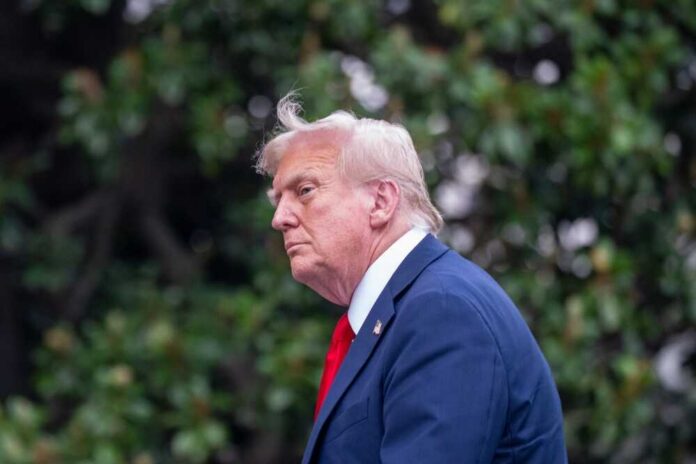
President Trump called current U.S. support levels for NATO “ridiculous,” pressing allies to carry more of the load as American taxpayers demand fairness.
Story Highlights
- Trump labeled present U.S. support to NATO “ridiculous,” renewing his push for greater allied spending.
- Analysts note America supplies a disproportionate share of NATO’s defense effort and funding.
- European and Canadian defense budgets have risen, with more allies meeting or topping past targets.
- NATO members agreed to pursue higher investment levels after years of U.S. pressure.
Trump’s Message: Allies Must Match U.S. Commitment
President Donald Trump said keeping current U.S. support levels for the North Atlantic Treaty Organization is “ridiculous,” arguing that allies must spend more and share risk. He pushed allies to hike national defense outlays well above the old two percent goal, and questioned why American families shoulder so much of Europe’s security burden. His stance continues a years-long message: the United States will defend friends, but those friends must step up in real dollars and real capability.
Trump’s pressure follows a pattern that spans decades. U.S. leaders and experts have warned that Washington’s contributions are outsized and encourage free riding. Research shows the United States accounts for an outsized share of alliance spending and indirect funding, even when measured against America’s large economy. Supporters say Trump’s blunt approach is forcing overdue change, moving Europe to invest in ammunition, air defense, and combat power instead of relying on U.S. taxpayers.
What The Numbers Show About Burden Sharing
Defense data indicate the United States covers a large slice of NATO’s total defense expenditures and indirect funding. One assessment places America’s indirect funding near two-thirds of the alliance total, despite the U.S. being just over half of NATO’s combined economy. This gap feeds the fairness debate at home. Conservative voters see the math and ask why Washington borrows more and pays more while some European capitals still debate basic defense industry output and readiness.
Recent tracking shows allies are moving. European nations and Canada lifted defense spending sharply in 2025, with all allies now above the previous two percent target, according to one analyst tracker. That shift reflects both security shocks and sustained U.S. pressure. But higher toplines must become real capability: missiles that intercept, artillery that fires, stockpiles that last, and factories that refill them fast. Dollars without deliverables do not deter aggressors or reduce U.S. strain.
Raising The Bar: New NATO Investment Commitments
NATO governments committed to significantly higher investment levels after years of lagging defense budgets. Alliance leaders endorsed a pathway to five percent of national economic output for defense investment categories, seeking stronger forces, munitions, and infrastructure after long neglect. That pledge signals a turn from speeches to spending. It also aligns with Trump’s core demand: Europe must shoulder more of its own defense so American troops and taxpayers are not the default answer to every crisis.
Trump says U.S. maintaining current support levels for NATO would be "ridiculous" https://t.co/GWQSTSyfrn via @CBSNews
— Nino Brodin (@Orgetorix) July 3, 2026
Skeptics warn that goals can drift unless tied to production lines, timelines, and fielded units. Think tanks urge targets that measure combat power and readiness, not just percentages. For conservatives, the test is simple: will allied brigades be ready, magazines full, and air defenses layered—so the United States can deter with allies, not for them. If Europe matches words with weapons and stockpiles, America gains leverage, lowers long-term costs, and keeps focus on its own borders and economy.
What It Means For U.S. Taxpayers And Security
Trump’s stance aims to end a lopsided status quo that strains American families and the federal budget. Fair burden sharing protects U.S. strength, backs our troops, and prevents endless bailouts of wealthy nations that can and should do more. Research shows this debate is cyclical in NATO, flaring when Washington signals retrenchment or when threats rise. This time, rising allied spending and new commitments suggest the message is landing. Delivery, not declarations, will decide if the balance finally holds.
Sources:
cato.org, brookings.edu, dgap.org, sipri.org, bbc.com, facebook.com