U.S. Special Forces deployed to Ecuador for lethal strikes against drug cartels mark another escalation of American military involvement abroad, raising concerns among conservatives who backed Trump’s promise to end endless foreign entanglements and focus resources on securing our own southern border.
Story Overview
- U.S. commandos conducted lethal strikes in Ecuador against narco-terrorist organizations on March 6, 2026, marking the first direct kinetic action since 2009
- Operation Southern Spear targets Los Choneros and Los Lobos cartels linked to Mexican Sinaloa and CJNG operations flooding America with cocaine
- SOUTHCOM provides intelligence, surveillance, planning, and logistics support while Ecuadorian forces execute raids with U.S. Special Forces advisors embedded
- Mission expansion raises questions about American military priorities while our own border remains unsecured and cartel violence spills into U.S. communities
Military Expansion in South America
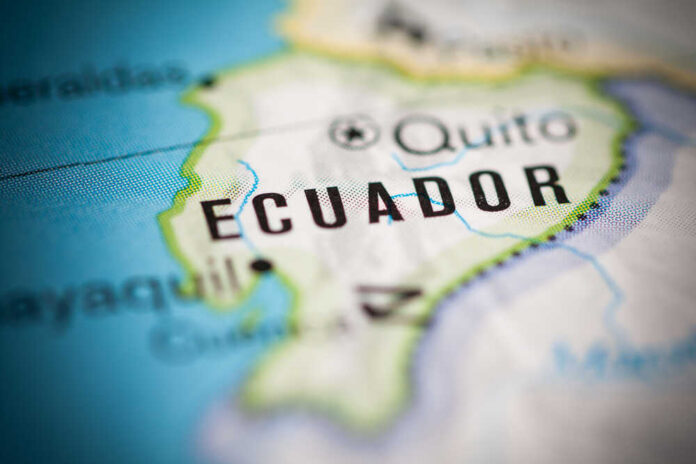
U.S. Southern Command announced coordinated military operations with Ecuador on March 3, 2026, deploying Special Forces from the 7th and 20th Special Forces Groups to target designated terrorist organizations involved in cocaine trafficking. SOUTHCOM Commander Gen. Francis L. Donovan and Special Operations Command South leader Rear Adm. Mark Schafer traveled to Ecuador in early March, meeting with the president and defense minister to coordinate strikes against Los Choneros and Los Lobos cartels. The operation represents the most significant U.S. military presence in Ecuador since the 2009 closure of the Manta Forward Operating Location, expanding American involvement beyond advisory roles to direct lethal kinetic action.
The joint operations include helicopter assaults, jungle warfare training, riverine operations, and small-unit patrolling across Ecuadorian territory. Pentagon spokesperson Sean Parnell confirmed U.S. forces conducted a targeted strike on March 6 dismantling a narco-terrorist supply complex at Ecuador’s request, though specific casualty figures remain classified. SOUTHCOM framed the mission as decisive action against organizations fueling terror, violence, and corruption throughout the hemisphere. Ecuador’s Pacific ports have become critical cocaine transit hubs moving Colombian and Peruvian product northward, with DTOs maintaining alliances to Mexican cartels that ultimately distribute drugs across American communities.
The Border Hypocrisy Problem
While Special Forces deploy thousands of miles away to combat foreign drug trafficking networks, America’s own southern border remains plagued by cartel violence and illegal immigration that directly threatens U.S. citizens. The operation raises legitimate questions about resource allocation and strategic priorities when Mexican cartels operate with near impunity on American soil, trafficking fentanyl that kills over 100,000 Americans annually. Conservative voters who supported Trump’s America First agenda question why military assets target cartels in Ecuador while border communities face daily incursions, human trafficking, and drug smuggling. This expansion of U.S. military footprint in South America contradicts campaign promises to end regime change wars and focus on domestic security.
The State Department designated Los Choneros and Los Lobos as Foreign Terrorist Organizations, enabling military action under counter-terrorism authorities. These groups maintain direct connections to Sinaloa and Jalisco New Generation Cartel operations that control drug distribution networks inside the United States. Yet federal law enforcement remains handcuffed by political restrictions on border enforcement while resources fund operations in foreign nations. The disconnect between fighting cartels abroad while allowing border chaos at home exemplifies the Washington establishment mindset that prioritizes foreign intervention over protecting American sovereignty and citizens.
Strategic Questions and Mission Creep
Operation Southern Spear builds on escalating SOUTHCOM maritime interdictions throughout 2025, establishing a pattern of expanding U.S. military commitments in Latin America. The mission involves intelligence, surveillance, reconnaissance capabilities, operational planning, targeting support, and logistics coordination that require sustained American military presence and funding. Ecuador’s cooperation stems from domestic violence surges as DTOs battle for control of cocaine export infrastructure, but the long-term commitment required to dismantle these networks could trap U.S. forces in another prolonged foreign engagement. Historical precedents from Colombia’s decades-long counter-narcotics operations demonstrate how advisory missions evolve into permanent deployments.
The operation’s success metrics remain unclear beyond disrupting one supply complex, with no transparency on cartel casualties, operational costs, or timeline for withdrawal. Gen. Donovan described the strike as strategic success advancing alongside partners, but classified details prevent public accountability for taxpayer-funded military action. Conservative principles of limited government and transparent spending demand answers about mission scope, duration, and measurable objectives. Americans deserve clarity on whether this represents temporary assistance or another open-ended commitment draining resources while our own border security needs go unmet. The Constitution grants Congress war powers, yet these operations proceed under executive authority with minimal legislative oversight or public debate.
Sources:
SOF News – Special Operations Forces in Ecuador
Fox News – US Military Carries Out Targeted Strike on Narco-Terrorist Network in Ecuador
SOUTHCOM – Ecuadorian and US Military Forces Launch Operations Against Narco-Terrorists