
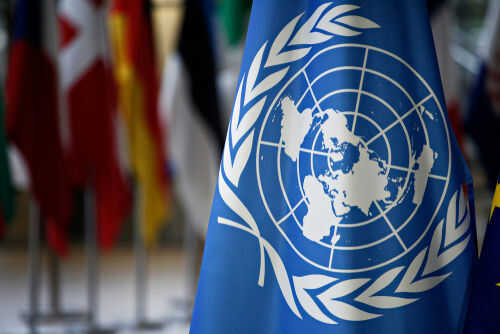
The United Nations has appointed Iran, a regime designated by the United States as a state sponsor of terrorism, to serve as vice-chair of the UN Charter Committee responsible for strengthening principles of peace and human rights.
Story Snapshot
- Iran elected vice-chair of UN Charter Committee overseeing Charter principles despite U.S. terrorism designation
- Israel condemns appointment as hypocritical given Iran’s record of supporting terrorism and human rights abuses
- UN defends process as member-state driven, emphasizing Secretariat cannot override diplomatic consensus
- Appointment mirrors 2017 controversy when UN praised Iranian-hosted anti-terror conference promoting conspiracy theories
Iran Assumes Leadership Despite Terrorism Record
Iran secured the vice-chair position of the United Nations Charter Committee during the committee’s opening meeting in February 2026 through an agreed procedure without a formal vote. The Charter Committee, operating under the UN General Assembly’s Sixth Legal Committee, examines implementation of UN Charter principles including international peace, security, and human rights. The appointment positions Iran in a leadership role overseeing the very values critics argue the regime systematically violates through state-sponsored terrorism, threats against Israel, and domestic repression of dissidents and women.
UN Defends Member-State Controlled Process
UN Spokesperson Stéphane Dujarric defended the election by emphasizing that member states, not the Secretariat, control committee leadership selections. Dujarric stated the Secretariat condemns actions violating the Charter or human rights but does not condemn elections themselves, framing the process as fundamental to diplomatic consensus. This explanation mirrors the UN’s 2017 response when it defended sending Secretary-General Ban Ki-moon’s message to an Iranian-hosted anti-terrorism conference that labeled Zionism as terrorism and questioned established historical facts about 9/11 and the Holocaust. The hands-off approach highlights a structural reality: the UN operates on member-state consensus, allowing regimes with questionable records to secure influential positions through diplomatic maneuvering.
Israel and Watchdog Groups Condemn Hypocrisy
Israel’s UN Ambassador characterized the appointment as clarifying that UN purposes now stand opposed to peace and human rights, directly challenging the organization’s founding mission. The criticism stems from Iran’s well-documented record as a U.S.-designated state sponsor of terrorism, its ongoing threats to destroy Israel, and systematic human rights violations against its own citizens. UN Watch, an independent monitoring organization, labeled UN endorsements of Iran as cynical and urged United States and United Kingdom intervention. The controversy exposes a growing credibility gap: while Iran submits annual reports to the UN claiming a major role in combating ISIS and other terrorist groups, Western nations and Israel view these claims as propaganda masking Iran’s support for proxy militias across the Middle East.
Pattern Reveals Institutional Dysfunction
The appointment reinforces a troubling pattern where international institutions prioritize diplomatic procedure over accountability, a dynamic frustrating Americans across the political spectrum who believe elites game systems to protect their interests. Iran’s elevation to leadership overseeing Charter principles follows years of UN General Assembly condemnations of its human rights violations and nuclear sanctions, creating a contradiction that undermines institutional legitimacy. The member-state voting structure shields controversial appointments from Secretariat oversight, allowing regimes to leverage regional alliances for influence regardless of their actual records. For ordinary citizens watching their tax dollars fund international organizations, such outcomes fuel skepticism about whether these institutions serve their stated missions or merely provide platforms for corrupt actors to whitewash their reputations while career diplomats preserve their positions.
.@UN Nominates Iran to Anti-Terror, Women’s Rights Committeehttps://t.co/tsj3Y0yyL2
— Catherine Salgado (@CatSalgado32) April 13, 2026
The February 2026 development follows Iran’s strategic positioning within UN forums, where it presents itself as a counter-terrorism partner fighting ISIS while simultaneously facing Western sanctions for sponsoring terrorism. This dual narrative allows Iran to participate in UN bodies as a legitimate stakeholder despite its pariah status in much of the international community. The Charter Committee operates annually by consensus, meaning Iran’s vice-chair role could influence deliberations on strengthening Charter implementation for the committee’s current session. The lack of a formal vote obscures which member states supported or opposed the appointment, preventing accountability for a decision many view as antithetical to the Charter’s core values.
Sources:
Terror sponsor Iran gets UN leadership overseeing Charter principles
UN defends endorsement of Iran’s anti-terror conference
Iran’s UN submission on measures against international terrorism