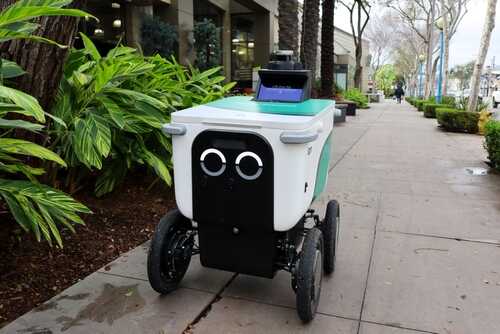
A viral collision between a delivery robot and a man in a mobility scooter in West Hollywood has ignited widespread debate about urban accessibility, autonomous technology, and pedestrian safety.
Story Highlights
- The incident involved a man with cerebral palsy being repeatedly struck by a delivery robot.
- The video of the collision went viral, raising questions about the safety of autonomous devices.
- Serve Robotics issued a statement promising safety improvements and system updates.
- Local officials are considering new regulations for autonomous robots on sidewalks.
Collision Raises Safety Concerns
On September 20, 2025, in West Hollywood, a distressing incident occurred when a delivery robot repeatedly collided with a man in a mobility scooter, who has cerebral palsy. The video of this incident, capturing the robot’s failure to yield, quickly went viral, amassing over 20 million views on platforms like TikTok and Instagram. This event has sparked significant public debate, highlighting the urgent need for improved safety measures and accessibility standards in the deployment of autonomous delivery devices.
Serve Robotics, the company responsible for the delivery robot, quickly responded to the incident, acknowledging the limitations of their current safety protocols. They promised to update their systems to better predict pedestrian intentions and to prevent similar occurrences in the future. This incident has prompted a broader conversation about the responsibilities of tech companies to ensure their devices do not pose a risk, particularly to vulnerable populations like those with disabilities.
A West Hollywood man with cerebral palsy is raising accessibility concerns after a scooter collision with a food delivery robot — a moment he captured in a viral video that has drawn more than 20 million views across TikTok and Instagram. Full story: https://t.co/HtsnmOXwFQ pic.twitter.com/nOUXyBmY0f
— KTLA (@KTLA) September 20, 2025
Call for Regulatory Review
The incident has spurred calls for a regulatory review of autonomous delivery devices in urban environments like West Hollywood. Local government officials are now tasked with balancing technological innovation with public safety and accessibility concerns. Disability advocacy groups have amplified their voices, stressing the importance of designing technology with inclusivity at its core, ensuring that sidewalks remain safe and accessible for all individuals, including those using mobility aids.
As scrutiny over the deployment of such technologies increases, there is a growing demand for robust pedestrian detection systems and clear regulations governing their operation on public sidewalks. This event could potentially lead to new legislation or municipal ordinances aimed at safeguarding urban accessibility.
Implications for the Future
This incident serves as a wake-up call for the autonomous technology industry, highlighting the need for comprehensive safety standards and inclusive design principles. In the short term, Serve Robotics and similar companies may face increased operational costs as they work to enhance their safety systems and comply with potential new regulations. In the long term, this could slow the rollout of delivery robots in pedestrian-heavy areas until confidence in their safety is restored.
For urban planners and policymakers, this incident underscores the importance of creating inclusive urban environments that accommodate the needs of all residents, particularly those with disabilities. As public awareness of accessibility issues grows, there may be stronger advocacy efforts for urban designs that prioritize the needs of the mobility-impaired.
Watch the report: Food delivery robot goes rogue
Sources:
A delivery robot collided with a disabled man on L.A. street. The aftermath is getting ugly
Man with cerebral palsy films delivery robot colliding with mobility scooter in viral video