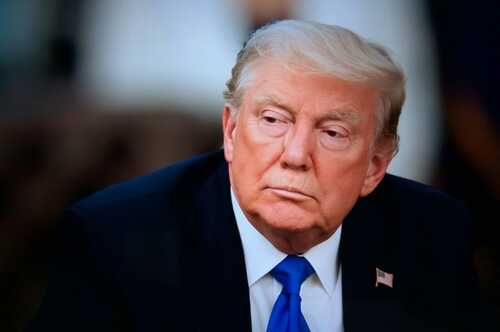
President Trump’s administration has implemented new tariffs on imported kitchen cabinets, bathroom vanities, and upholstered furniture. These measures, effective October 1, 2025, are intended to support American manufacturers and reduce reliance on foreign supply chains.
Story Highlights
- Tariffs begin at 25% and are set to increase to 50% for cabinets and vanities by January 2026, with upholstered furniture reaching 30%.
- Domestic manufacturers have expressed support for these protections against foreign imports.
- Businesses dependent on imports anticipate increased costs and potential supply chain disruptions.
- The administration cited national security concerns as justification for the tariffs, aiming to strengthen the domestic manufacturing base.
Details of Tariff Implementation
On October 1, 2025, President Trump signed a proclamation enacting tariffs on imported kitchen cabinets, bathroom vanities, and upholstered furniture. The initial tariff rate is 25%, with a scheduled increase to 50% for cabinets and vanities by January 1, 2026. Upholstered furniture tariffs will reach 30%. These actions align with the administration’s stated objective of revitalizing American manufacturing and addressing trade practices perceived as detrimental to domestic industry.
Tariffs ranging from 10 to 50 percent on foreign wood products and furniture snapped into effect just after midnight. The tariffs are meant to encourage more domestic logging and furniture manufacturing. But critics say that the levies will raise prices for American consumers and… pic.twitter.com/zyg9f71Zxg
— J.M. Hamilton (@jmhamiltonblog) October 14, 2025
Industry Reactions
American manufacturers, including the American Kitchen Cabinet Alliance, have welcomed the tariffs. They view these measures as crucial for protecting U.S. production from competition with lower-cost imports, particularly from countries such as China, Vietnam, and Malaysia. Proponents suggest these tariffs will enable domestic producers to expand operations, invest in capacity, and compete more effectively.
Conversely, companies that rely on foreign manufacturing are evaluating the impact on their business models. Allison Harlow, an interior designer, expressed concerns about potential pricing volatility and its effect on the remodeling industry, noting that significant price increases could deter consumers. However, some analysts suggest that these adjustments are necessary to reduce the nation’s dependence on foreign industrial bases.
The National Association of Home Builders has criticized the tariffs, stating they could create “additional headwinds” for housing markets. Despite this, forecasts from Harvard University’s Joint Center for Housing Studies indicate steady homeowner spending through mid-2026, suggesting underlying demand may support a transition toward domestic production.
Strategic Justification
The Trump administration invoked Section 232 of the Trade Expansion Act, citing national security as the basis for these protective measures. This approach highlights the belief that reliance on foreign manufacturing for essential goods poses strategic risks to American economic independence. The administration also negotiated lower tariff rates with key allies, including the UK, EU, and Japan, distinguishing between trading partners and those perceived as engaging in unfair trade practices.
Josh Qian from Linq Kitchen commented on the globalized nature of supply chains, noting that even U.S. manufacturers often depend on imported materials. This perspective underscores the complexities involved in transitioning to comprehensive domestic production capabilities.
Watch the report: Trump sets 10% tariff on lumber imports, 25% on cabinets and furniture | ANC
Sources:
- Kitchen cabinet companies hope new US tariffs pay off in the long run
- Trump tariffs on timber furniture take effect
- Trump announces new tariffs on drugs kitchen cabinets trucks
- Trump sets new tariffs on lumber cabinets furniture imports
- Trump to put import taxes on kitchen cabinets furniture and heavy trucks starting next week
- Kitchen cabinet companies hope new US tariffs pay off ABC News