
Iran’s own incompetence has trapped its mines in the Strait of Hormuz, handing President Trump powerful leverage to force open this critical global oil artery and protect American energy security.
Story Highlights
- U.S. officials reveal Iran lost track of naval mines haphazardly deployed via small boats, blocking full reopening of the Strait.
- President Trump demands complete, immediate, and safe access, using Iran’s disarray as a negotiation edge amid GOP control of Congress.
- Ships forced into Iranian waters under a $2 million “Tehran Toll Booth,” raising costs and risks for global oil trade.
- Strait carries 20% of world oil; unresolved mines threaten price spikes, echoing frustrations with foreign entanglements over America First priorities.
- Both U.S. and Iran lack swift minesweeping assets, prolonging hazards despite ceasefire claims.
Iran’s Decentralized Mining Fiasco
U.S. intelligence assesses that Iran deployed about a dozen advanced Mahan 3 moored/acoustic mines and Maham 7 bottom/influence mines using small boats, each carrying 2-3 devices. Decentralized operations by IRGC-linked forces lacked a clear command chain or precise records. This haphazard approach left Iran unable to locate exact positions, preventing safe clearance even after ceasefire agreements. President Trump’s Tuesday demand for full reopening exposes this self-inflicted vulnerability, bolstering U.S. negotiating strength.
Trump’s Firm Stance Secures Leverage
President Donald Trump set a red line requiring “complete, immediate, and safe” Strait access as a precondition for broader talks. U.S. strikes, over 90 precision attacks on Kharg Island mine facilities led by Adm. Brad Cooper of CENTCOM, degraded Iran’s capabilities beforehand. Iran’s response—threats of full closure followed by partial toll-based transit—highlights regime disorganization. This aligns with America First goals, prioritizing secure navigation over endless foreign concessions that burden American families with higher energy costs.
Anonymous U.S. officials briefed media Friday on Iran’s lost mine maps, corroborated by intelligence on specific mine types. Neither side possesses adequate local minesweepers; U.S. Avenger-class vessels are decommissioned, and LCS ships remain distant. Iran’s stockpile, estimated at 2,000-6,000 from domestic, Chinese, Russian, and Soviet sources, enables asymmetric threats but falters in coordinated recovery.
Toll Scheme and Persistent Hazards
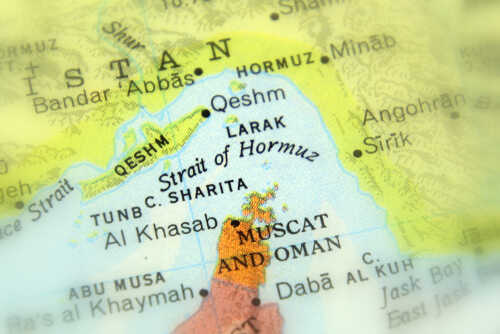
Ships now trickle through an Iranian-controlled lane between Qeshm and Larak islands, paying a proposed $2 million toll for “non-hostile” passage. IRGC warnings of mine collisions persist, alongside drone and rocket risks, despite no new attacks. Iran claims the Strait reopened with shared location data, but U.S. intel disputes this, confirming persistent Mahan 3 (300kg, triggers at ~10 feet) and Maham 7 (220kg) threats. Maritime insurance rates surge amid volatility.
Historical precedents, like 1988’s Tanker War where vintage mines damaged USS Samuel B. Roberts, underscore mines’ enduring disruption in the 21-mile-wide chokepoint. Experts from Stimson Center note a dozen mines yield outsized economic impact; Strauss Center affirms their channeling effectiveness. This mutual minesweeping deficit stalls progress, frustrating Americans on both sides who see elite mismanagement abroad mirroring domestic government failures.
Read "Iran Can’t Fully Reopen Strait Because It Forgot Where It Placed Mines, U.S. Officials Claim" on SmartNews: https://t.co/aS5ZyIJkC8 #SmartNews
— Lenbert smith (@Lennysmithpok) April 11, 2026
Global Economic Ripples and Path Forward
Short-term disruptions force detours into risky Iranian waters, heightening collision and strike dangers while elevating shipping costs. Long-term, prolonged hazards could spike global oil prices, affecting U.S. consumers and allies reliant on 20% of world supply. Gulf states and oil shippers bear immediate strain; broader sectors face naval operation challenges. Trump’s leverage positions Republicans to demand accountability, countering globalist policies that expose Americans to foreign volatility and elite overreach.
Negotiations in Islamabad, with Iran’s Abbas Araghchi facing Vice President JD Vance, hinge on mine clearance before reducing antiship threats. Consensus among analysts: clear dangers first for slow, vulnerable sweeping. This episode validates conservative priorities—strong defense, energy independence—while resonating with shared bipartisan distrust of unaccountable powers prioritizing power over people.
Sources:
US says Iran lost track of mine locations spread in Strait of Hormuz, complicating reopening – NYT
Amid Iran talks, Strait of Hormuz dotted with about a dozen Iranian mines, officials say
Report: Two Types of Iranian Mines Detected in Strait of Hormuz
Strait of Hormuz – Mines – The Strauss Center
Five Things to Know About Iranian Minelaying