

California’s hospice system is so bloated with suspicious providers that one Los Angeles building reportedly housed 89 “hospices,” raising fresh questions about where taxpayer money is really going—and why it took a YouTuber to force attention.
Quick Take
- Independent journalist Nick Shirley released a March 2026 investigation alleging major Medicare/Medi-Cal fraud tied to “ghost” hospice and daycare operations in Los Angeles County.
- Reporting cited by major outlets found extreme “clustering,” including 89 hospice companies registered at one Van Nuys Boulevard address, with dozens showing multiple fraud red flags.
- California officials say a multi-agency Hospice Fraud Task Force is now coordinating arrests, intelligence sharing, and license actions, but public reporting does not confirm a broad “shutdown” tied directly to Shirley’s video.
- More than 280 hospice licenses were reportedly revoked in the last two years, with roughly 300 additional providers under investigation for possible revocation.
What Shirley Documented on the Ground in Los Angeles
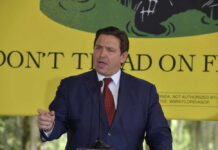
Nick Shirley, an independent investigative journalist and YouTuber, published a March 17–18, 2026 video describing what he says is widespread fraud in California’s hospice and daycare systems. His team visited addresses listed as operating facilities and recorded empty buildings, residential homes, and padlocked gates where public records indicated healthcare-related services. The investigation alleged more than $170 million in fraudulent billing, but the detailed breakdown of that figure has not been fully disclosed in public reporting.
Shirley’s reporting focused heavily on Los Angeles County, where the hospice industry has expanded far beyond what stable population trends would suggest. Separate reporting described a dramatic increase in hospice spending in the county and flagged the scale of provider licensing as a core vulnerability: about 1,800 licensed hospice providers, roughly six times the national average. For taxpayers who already watched government programs get gamed for years, the story lands like a familiar punchline—big spending, weak verification, and little accountability until a scandal hits.
The “Clustering” Red Flags: 89 Hospices at One Address
Journalism outside Shirley’s channel added hard numbers that are difficult to brush off. A CBS News analysis cited in the research identified 742 of roughly 1,800 hospice companies in Los Angeles County showing multiple red flags associated with fraud. One Van Nuys Boulevard building became a symbol of the problem: 89 companies registered there, with 72 reportedly showing multiple warning signs, and nearly 40 sharing key personnel. State auditors have previously treated clustering and shared personnel as indicators that networks may be coordinating fraud.
Medicare hospice fraud can work through shell companies and stolen beneficiary information, then billing for services never delivered. One journalist explanation in the research described stolen Medicare numbers being purchased on the dark web and used to generate claims. If that model is occurring at scale, it is not just a “California problem” or a partisan talking point—it is an open invitation to loot federal programs, drive up costs, and squeeze legitimate providers. That cycle also fuels the broader inflation-and-deficit frustration many conservatives already associate with runaway government.
State and Federal Responses: Task Forces, Revocations, and Open Questions
Public reporting summarized in the research points to significant enforcement activity, but it does not support the popular social-media claim that “fraudsters were shut down” after Shirley’s investigation. California officials said the state launched a multi-agency Hospice Fraud Task Force that includes multiple health and justice agencies to coordinate investigations, share intelligence, and make arrests. Separately, federal authorities reportedly launched a task force aimed at tackling hospice fraud. The available information shows intensified scrutiny, not a completed cleanup.
Why This Matters Beyond California: Oversight, Waste, and Public Trust
For a conservative audience, the core issue is not whether the messenger is a YouTuber or a legacy outlet; it is whether government can protect vulnerable seniors and safeguard taxpayer-funded programs without turning every scandal into a new bureaucracy. The research indicates more than 280 hospice licenses were revoked in the last two years and about 300 more providers are under investigation for potential revocation. Those numbers suggest action is underway, but they also suggest the gatekeeping failed long before enforcement finally ramped up.
Families seeking end-of-life care are often emotionally exhausted, time-crunched, and forced to trust that “licensed” means legitimate. If licensing can be stacked into suspicious clusters and shell entities can bill public programs, then reform needs to focus on verification, audits that trigger quickly, and penalties that deter—not press conferences after the money is gone. The research also highlights a political tension: officials have dismissed some fraud investigations as “political cosplay,” while simultaneously touting task-force enforcement. The facts available show a system reacting to exposure, not proving it was under control.
Sources:
https://www.foxla.com/news/nick-shirley-california-daycare-fraud-dr-oz-hospice