UK government ramps up surveillance on everyday train passengers with mandatory railcard scans, echoing the overreach conservatives warned against under big-government control.
Story Snapshot
- Department for Transport trials will require scanning railcards or entering personal details at ticket machines starting late 2026, targeting £20m in alleged lost revenue.
- Refund rules tighten from April 1, 2026, limiting claims to day-before deadline, aiming to cut £40m annual abuse by fare dodgers.
- Great British Railways to unify Delay Repay compensation, addressing £80m in unclaimed refunds amid national fare freeze saving passengers £600m.
- Labour officials like Heidi Alexander prioritize cracking down on “dodgers” over honest riders, raising concerns about added bureaucracy.
Railcard Verification Trials Launch in Late 2026
UK Department for Transport introduces trials in the latter half of 2026. Passengers buying discounted railcard tickets from machines must scan their railcard or enter number and name. Online and app purchases require one-time details for automatic verification. This targets £20m annual revenue loss from misuse. Officials frame it as protecting funds for service improvements, but it mandates digital tracking for legitimate discount users.
Tightened Refund Policies Take Effect April 1
New rules for Off-Peak and Anytime flexible tickets limit refunds to 11:59pm the day before validity, excluding disruptions. Pre-2026 policy allowed 28-day post-expiry refunds without reason, enabling abuse of unscanned tickets. DfT estimates £40m yearly loss. Rail Minister Lord Peter Hendy calls fare dodging a “blight” that drains revenue needed for upgrades. Transport Secretary Heidi Alexander states changes favor fare freezes over fraud.
National regulated rail fares freeze started in 2026 following November 23, 2025 announcement, saving passengers £600m. This offsets revenue pressures from evasion. Train Operating Companies comply with freezes on seasons and peak/off-peak returns in England. Transport for London adjusts: buses and trams freeze to July 5, Tube and rail rise 6% from March 1, with concessions protected.
Great British Railways Streamlines Compensation
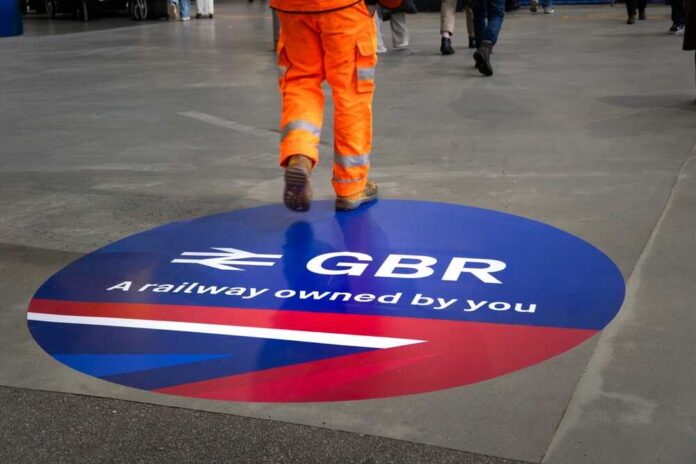
GBR, operational by end of 2026, merges Delay Repay systems across operators. Trainline estimates £80m unclaimed yearly due to fragmentation. Rail Delivery Group CEO Jacqueline Starr supports consistent processes for all purchase points. Trainline CEO Jody Ford welcomes easier claims to boost rail usage. This centralizes oversight under a public body, potentially simplifying access while cutting administrative waste.
Post-pandemic recovery drives these reforms amid revenue strains. Prior fare rises like 5.9% were avoided via fraud cuts. Low-income and concession holders gain from fare stability and protections, such as TfL under-16 freezes. Economic impacts protect taxpayer funds for growth through affordable rail. Socially, measures deter evasion and improve trust for rule-following passengers.
Industry consensus backs reforms, with no noted opposition beyond potential inconvenience for valid railcard users. Uncertainties remain on exact trial locations. These steps align with protecting public revenue, a principle conservatives champion against wasteful spending, even as government expansion into daily travel raises flags on personal freedoms.
Sources:
Train passengers face new railcard checks in fare dodging crackdown
Passengers save millions as rail fare freeze starts
March 2026 Transport for London fare changes
UK government to freeze rail fares in England in 2026
Railcard verification in fare evasion crackdown