Germany’s announcement of plans to begin the recognition process for a Palestinian state has ignited a diplomatic crisis, drawing furious condemnation from Israel and signaling a seismic shift in Western Middle East policy.
At a Glance
- Germany announces start of Palestinian state recognition process, insisting negotiations must precede final status.
- Canada, France, and the UK plan to recognize Palestinian statehood at upcoming UN General Assembly.
- Israel fiercely condemns moves as rewarding Hamas, undermining hostage negotiations and ceasefire efforts.
- Diplomatic rift widens as humanitarian crisis in Gaza escalates.
- Germany leads European diplomatic delegation pushing Israel for concessions amid Gaza emergency.
Germany Breaks Western Taboo
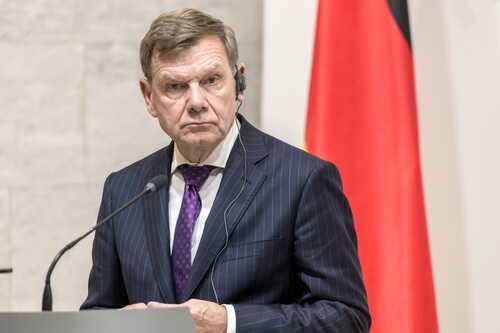
German Foreign Minister Johann Wadephul dramatically shifted Germany’s long-standing Middle East policy on July 31, declaring that Germany would begin the process of recognizing Palestinian statehood—but stressing that formal recognition should come only after successful negotiations. Wadephul’s announcement, delivered just before a pivotal diplomatic visit to Israel and the Palestinian territories, explicitly ties Germany’s policy shift to frustration over stalled peace negotiations and worsening humanitarian conditions in Gaza.
Germany’s nuanced position seeks to pressure Israel back into negotiations while maintaining a cautious approach to recognition. This stance differs markedly from that of Canada, France, and the United Kingdom, each planning to formally recognize Palestine at the UN General Assembly in September unless Israel makes significant diplomatic concessions.
Watch now: Israel: Reactions to Germany’s shift on recognizing a Palestinian state · YouTube
Israel’s Furious Response
The Israeli government reacted with outrage to Germany’s announcement, describing the move as dangerously misguided and a direct reward to Hamas. Israeli officials claim this shift will significantly undermine ongoing ceasefire efforts in Gaza and complicate negotiations for the release of hostages taken by Hamas. The Israeli Foreign Ministry specifically denounced Canada’s similar announcement as a “reward for Hamas,” while far-right Israeli Minister Itamar Ben-Gvir escalated rhetoric, accusing Germany’s government of “support for Nazism,” a charge Germany has vehemently rejected.
This fierce response underscores the increasingly strained relationship between Israel and some of its closest Western allies, exacerbating internal political polarization and highlighting the diplomatic risk of abandoning traditional negotiation frameworks. From a conservative American standpoint, recognizing a Palestinian state without ensuring peace risks legitimizing Hamas’ violent tactics, potentially destabilizing the region further.
Western Allies Unite Amid Gaza Crisis
Germany’s policy shift comes amid coordinated pressure from Western nations driven by the humanitarian crisis in Gaza. Germany, along with France and the UK, is now spearheading a joint diplomatic mission aimed at pressing Israel to allow increased humanitarian aid and pursue meaningful negotiations. This unified diplomatic front represents an unprecedented departure from decades of more cautious European approaches, reflecting growing domestic pressures in Western nations where public opinion increasingly demands action against Israel’s handling of Gaza.
However, scholars and diplomats remain divided. Some experts argue that the symbolic recognition of a Palestinian state could empower more moderate factions and encourage a return to negotiations. Others warn it risks creating a fractured, ineffective state lacking clear governance, ultimately undermining regional stability and security.
A New Diplomatic Reality?
Should Germany and its allies move forward with official recognition, it could fundamentally reshape the dynamics of the Middle East peace process. Such action risks isolating Israel diplomatically from European allies, pushing it closer to hardline stances internally and regionally. In the short term, escalating diplomatic tensions will likely intensify polarization within Israel, complicating humanitarian relief efforts and prolonging the suffering of ordinary Palestinians in Gaza.
For Americans concerned with preserving U.S. influence and supporting democratic allies abroad, the Western shift represents a troubling pivot away from longstanding principles. With Europe’s increased assertiveness, questions arise about America’s role in mediating peace—and whether this new diplomatic approach aligns with fundamental U.S. values.
The diplomatic standoff unfolding today could dramatically alter Middle East politics for decades to come.