
The first heavy winter rains have brought devastating consequences to the Gaza Strip, where approximately 425,000 displaced Palestinians are suffering in makeshift shelters. Severe flooding in tent camps, exacerbated by years of conflict and damaged infrastructure, has left families vulnerable to the elements, illness, and hypothermia. Humanitarian efforts are struggling to meet the urgent needs of the nearly half a million displaced individuals, underscoring the necessity for durable solutions and a sustainable ceasefire.
Story Snapshot
- First heavy winter rains flood Gaza, devastating makeshift shelters.
- 425,000 displaced Palestinians face harsh weather in tent camps.
- Aid efforts fall short, leaving families vulnerable to the elements.
- Calls for durable solutions and improved infrastructure heighten.
Winter Rains Expose Gaza’s Vulnerability
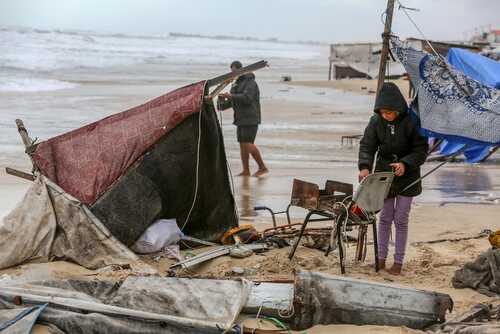
The first significant winter rains of 2025 have brought devastating consequences to the Gaza Strip, where approximately 425,000 displaced Palestinians reside in makeshift shelters. As the rains battered the region on November 15, sprawling tent camps like Muwasi faced severe flooding. These shelters, often constructed from tarpaulins and plastic sheets, offered little resistance to the deluge, leaving families scrambling to dig trenches and seek refuge in partially collapsed structures.
This situation is reflective of a broader humanitarian crisis exacerbated by two years of ongoing conflict. The infrastructure in Gaza, including essential drainage and housing, has been repeatedly targeted, leading to its current fragile state. Despite efforts by aid organizations to distribute winterization materials, the scale of the need far outpaces available resources. Displaced families are left vulnerable to illness and hypothermia as they endure the harsh weather conditions.
It's just the opening of the rainy season, and Gaza is already drowning.
A light wave of rain fell today on the tents of the displaced, and many of their worn-out tents collapsed because the world allows Israel to prevent most basic sheltering means to Gaza during the "ceasefire" pic.twitter.com/qdFTnfLPNb— Ahmed Al-Najjar (@Ahmed_A1Najjar) November 14, 2025
Insufficient Aid and Humanitarian Challenges
Humanitarian groups and the United Nations have raised alarms about the inadequacy of current relief efforts, emphasizing the urgent need for more substantial support. The Israeli authorities, who control the entry of aid materials into Gaza, claim to be facilitating the flow of winterization supplies. However, aid organizations report that these efforts are insufficient for the nearly half a million displaced individuals in need of support.
The power dynamics in the region further complicate the situation. Israeli control over border crossings and aid distribution means that humanitarian organizations are heavily reliant on permissions that can be delayed or denied. The displaced population, lacking agency, finds itself caught in a precarious balance between geopolitical interests and the struggle for survival.
Long-term Implications and the Need for Solutions
The immediate impact of the winter rains includes the destruction of shelters and the loss of belongings, placing additional stress on already-strained families. In the long term, prolonged exposure to such conditions could lead to increased mortality rates and deteriorating public health. The ongoing humanitarian crisis in Gaza underscores the necessity for durable solutions, including the reconstruction of vital infrastructure and a sustainable ceasefire agreement.
Without swift and effective action, the region risks further destabilization, threatening not just the displaced populations within Gaza but also regional stability. The humanitarian aid sector faces significant logistical challenges, requiring coordinated efforts to ensure that life-saving supplies reach those in desperate need.
Watch the report: Heavy rains add to suffering of displaced Gazans in makeshift camps | DW News
Sources:
Arab News: First major winter rains pummel Gaza, destroying makeshift shelters