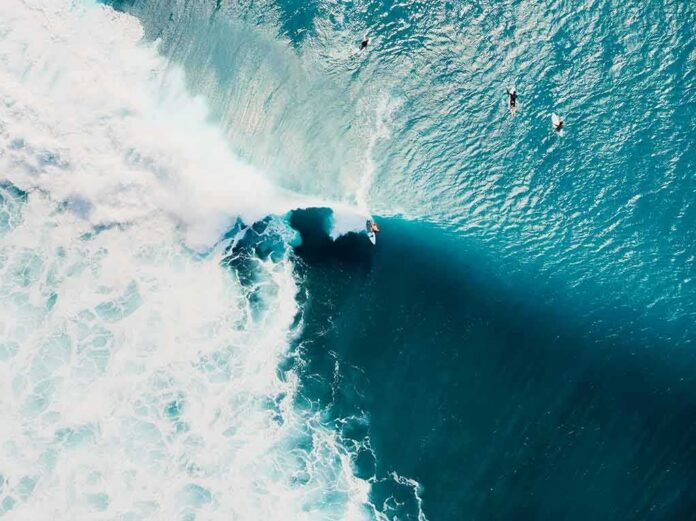
Life-threatening waves from Tropical Storm Elida and Hurricane Fausto are hammering Southern California beaches, forcing officials to warn families to stay out of the water as rip currents turn a summer escape into a real survival risk.
Story Snapshot
- National Hurricane Center warns Elida and Fausto swells will create life-threatening surf and rip currents for Southern California beaches.
- National Weather Service issues a High Surf Advisory with 4–7 foot waves and strong rip currents, especially on south-facing beaches.
- Lifeguards and local agencies boost staffing and urge beachgoers to stay out of the water and heed safety flags and patrols.
- Media headlines hype “deadly” conditions, while hard data on actual injuries and drownings from this event remain limited.
Tropical storms turn SoCal beaches into a danger zone
Powerful tropical storms spinning off Mexico are now reshaping life along the Southern California coast. Tropical Storm Elida and Hurricane Fausto have sent large, long‑period swells toward south‑facing beaches from Ventura down through San Diego. These waves look exciting to surfers, but officials say they are extremely dangerous for casual swimmers and families who just came to cool off in the heat. The danger is mostly invisible from the sand until a rip current suddenly grabs someone and pulls them out.
The National Hurricane Center has taken the rare step of directly warning Southern California about life‑threatening surf. In its public advisory on Elida, the center said swells from the storm “will likely result in life-threatening surf and rip current conditions” along parts of Baja California and southern California. That language is not media spin; it is printed in the official forecast. The same advisory stressed that the dangerous surf and high risk of rip currents would continue for several days, even as Elida itself weakened offshore.
High Surf Advisory and strong rip current warnings
The National Weather Service office in Los Angeles and Oxnard issued a High Surf Advisory that runs from Sunday evening through Tuesday night. That advisory covers Catalina and Santa Barbara Islands, Ventura County beaches, the Malibu coast, and the city of Los Angeles. Forecasters expect breaking waves in the 4 to 7 foot range, with sets up to about 8 feet at south‑facing beaches, powered by a strong south swell from Elida. These wave heights are enough to knock adults off their feet and churn up powerful rip currents that drag people far from shore.
In plain language, the National Weather Service is warning families about a clear drowning risk. The advisory states there is an “increased risk for ocean drowning,” and explains how rip currents can pull swimmers and surfers out to sea while large waves can wash people off rocks and beaches or capsize small boats near shore. People are being urged to stay out of the water entirely or at least remain near staffed lifeguard towers and avoid rock jetties, which can be deadly when heavy surf is pounding the coast. That is classic common‑sense safety aligned with personal responsibility.
Lifeguard response and media amplification
Lifeguard agencies across Southern California are not ignoring the warnings. Local reports describe lifeguards in Los Angeles and Orange County increasing staffing and watching for strong rip currents as the tropical‑storm swell builds. A beach hazards statement and related alerts mention “life-threatening rip currents” and advise beachgoers to heed the instructions of beach patrols and pay attention to warning flags. That means more taxpayer resources are going to rescue and prevention work, even as people still flock to the shore to escape the heat.
The National Weather Service has issued a safety alert for people heading to Southern California beaches to escape the heat.
Officials at Newport Beach say lifeguards made roughly 100 rescues Monday amid dangerous surf and rip current conditions. pic.twitter.com/tzfmSVJGZH
— SoCal Daily Pulse (@socaldailypulse) July 21, 2026
Television outlets and national newspapers have seized on the “deadly” and “life‑threatening” language. Stories highlight “monster waves” and “deadly conditions” along the coast, urging people to stay out of the ocean altogether. This coverage does help push the safety message out, but it can also blur an important line. The official warnings describe a high risk based on forecasted conditions. They do not claim that large numbers of people have already been killed. So far, the public record shared with these reports contains strong advisory language but little concrete data on actual drownings or injuries tied specifically to Elida or Fausto.
Forecast risk versus real‑world outcomes
This kind of event shows a recurring tension between expert warnings and how the public hears them. Coastal hazards from distant storms depend on long‑period swell and rip‑current physics that most people never see or understand. Forecasters therefore use sharp language—“life‑threatening,” “deadly conditions”—to catch attention before a tragedy happens. For responsible citizens, that is a signal to respect nature and use good judgment, not a reason to panic or demand more federal control over daily choices.
At the same time, the evidence we have so far is mostly one‑sided. Agencies and news outlets repeat the same warnings, while we still lack detailed rescue logs, hospital data, or coroner reports that show how many people were actually hurt during this advisory period. That missing information matters for long‑term policy debates. Safety messages are crucial, but they should be measured against outcomes to keep government honest, prevent fear‑based overreach, and maintain trust. For now, Southern Californians face very real ocean dangers from Elida and Fausto, and the Trump administration’s emergency and weather professionals are focused on clear, preventive guidance rooted in facts, not politics.
Sources:
nypost.com, surfer.com, latimes.com, usatoday.com, sanluisobispo.com, nhc.noaa.gov, cbsnews.com, laist.com