

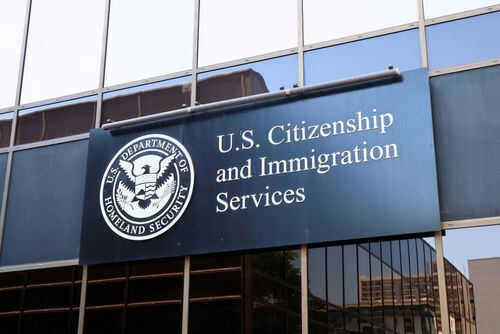
A new Trump-era plan would sharply raise citizenship fees and end most discounts, forcing Americans to ask whether we want strong, law‑abiding future citizens or a pay‑to‑play system.
Story Snapshot
- The plan would hike the naturalization fee by about $570 for most applicants.
- Most fee waivers and reduced‑fee options for low‑income applicants would be eliminated.
- Homeland Security says the increases are needed so fees fully cover processing costs.
- Critics warn the new prices create a “wealth test” that keeps poorer families from citizenship.
What the New Trump Citizenship Fee Plan Would Do
The new proposal from U.S. Citizenship and Immigration Services would sharply increase the price tag for a green card holder to become a U.S. citizen. For a paper application, the fee would jump from about $760 to roughly $1,330, and for an online filing from about $710 to $1,280, raising costs by about $570 in each case.[11] The plan also raises the fee to ask the agency to reconsider a denial by more than six hundred dollars, making appeals harder for families already stretched thin.[11]
The Department of Homeland Security says these hikes are needed so application fees fully pay for the cost of processing and for extra security checks Trump policies have demanded.[11] Officials argue that in the past, citizenship fees were held below their true cost and other immigrants had to make up the difference through higher fees on their own forms.[5] The new rule would end that cross‑subsidy, treating naturalization more like any other benefit and insisting that each service “pay for itself” through user fees.[8]
End of Waivers: From Encouraging Citizenship to a Quiet Wealth Test
Under earlier rules, many low‑income applicants could get a full fee waiver or pay a reduced fee if their income fell near the federal poverty line, which helped working families and seniors on fixed incomes finally naturalize.[10] The Trump plan would scrap almost all of those breaks for citizenship cases and get rid of the reduced‑fee option for households at or below four hundred percent of the poverty level.[11] Only certain groups, such as military service members, would clearly keep broad exemptions, making everyone else pay the full new price.[11]
Left‑leaning critics call this a “wealth test,” warning that the higher charges and loss of waivers will keep hundreds of thousands of otherwise eligible green card holders from ever becoming Americans in name, even after years of living, working, and paying taxes here.[13] Some groups say a single citizenship application could now cost about a month of gross pay for someone earning the federal minimum wage, pushing naturalization out of reach for cleaners, farm workers, and home‑health aides.[10] They argue that when legal immigrants cannot afford the last step, our system undercuts its own promise of fair, orderly, and lawful immigration.[3]
Why a Cash‑Strapped USCIS Turned to Big Increases
Unlike most federal agencies, U.S. Citizenship and Immigration Services relies almost entirely on user fees instead of money from Congress, so every slowdown or surge affects its budget.[23] Past reports show the agency has already raised its most common fees several times since the late 1990s whenever costs outpaced revenue, including a major hike in 2007 that more than doubled many charges and erased several fee waivers.[23] Officials say they are legally required to review fees every two years and adjust them so the agency can fund staff, technology, fraud detection, and background checks.[4]
Supporters of the Trump plan stress that better screening, fighting identity fraud, and cutting backlogs all require money up front, and they prefer fees over new taxes or more federal borrowing.[4] They also note that under previous administrations, keeping citizenship fees low meant other immigrants—such as employers sponsoring workers or families filing green card cases—were effectively subsidizing naturalization through their own higher payments.[5] From this view, asking future citizens to shoulder the real cost of their own application is not punishment but basic fairness in a tight budget era of record debt and competing security needs.[4]
How Conservatives May See the Trade‑Off
Many conservatives who support legal immigration but oppose the left’s open‑border push see both promise and risk in this fee fight. On one hand, they want a strong vetting system that does not depend on more deficit spending and believe that those seeking the privilege of citizenship should be ready to invest something meaningful in that process, just as our own families did in past generations.[4] On the other hand, they do not support turning citizenship into a luxury good that only wealthy urban professionals can afford while church‑going, law‑abiding strivers are priced out.[13]
NEW: @USCIS is proposing to increase the cost to green card holders of becoming a U.S. citizen by $570, and wants to eliminate existing fee waivers for certain low-income immigrants.
The Trump admin says it no longer believes in encouraging naturalization with low-cost options. pic.twitter.com/e72C1DFGJm
— Aaron Reichlin-Melnick (@ReichlinMelnick) June 22, 2026
There is also concern about where the money goes. Some reports say earlier Trump‑era proposals would move over two hundred million dollars in application fees from the service side of the government to the enforcement side, including Immigration and Customs Enforcement, to fund detention and removals.[13] For many on the right, that raises a hard question: should fees paid by legal immigrants trying to do things the right way be used to underwrite the costs of chasing those who broke the law, or should Congress fund enforcement separately instead of hiding it inside processing charges?
Sources:
[3] Web – USCIS issues final rule increasing fees
[4] Web – USCIS Finalizes Increase in Fees for Immigration-Related Applications
[5] Web – New USCIS Fee Increase: Understanding the Changes
[8] Web – GARCÍA, MENG, JAYAPAL, AND TORRES CALL ON TRUMP …
[10] Web – Cost of citizenship would rise 60% under Trump plan – CalMatters
[11] Web – Opinion: Trump’s latest anti-immigrant move: Making it far more costly …
[13] Web – USCIS Fee Increases Devalue and Attack the Naturalization Process
[23] Web – [PDF] Final-Fee-Increases-HR1.pdf – National Immigration Project