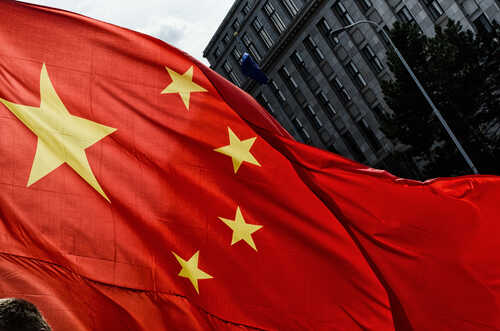
Beijing’s quiet march through Latin America now tests American credibility in our own hemisphere—and the cost of delay is coming due.
Story Highlights
- China consolidated regional presence as 22 Latin American countries joined Belt and Road projects [1].
- Scholars describe two decades of limited U.S. contestation of China’s advances [7].
- Analysts say China often entered the hemisphere by bending rules and norms [5].
- The contest is about belief: which partner nations trust to deliver without strings [1][7].
China’s Two-Decade Buildout Across Latin America
Policy researchers report that China “consolidated its presence” across Latin America over the past twenty years, leveraging the Belt and Road Initiative as an organizing framework now linked to most of the region’s countries [1]. That footprint translates to ports, power, and political access. Analysts add that Beijing’s expansion sometimes skirted established norms, entering the Western Hemisphere “primarily furtively” and in ways critics argue undermine transparent, rules-based engagement [5]. These moves aim to reframe China as a credible, near-term partner for governments seeking fast capital [1][5].
International Affairs research finds China’s rise in the region accelerated “at an unprecedented pace” while facing minimal contestation from the United States for much of the early twenty-first century [7]. That lull allowed Beijing to convert trade and infrastructure into diplomatic gravity. Today’s contest is not only about cargo and contracts; it is about whether leaders and publics believe China delivers more reliably than Washington, and at what long-run cost to sovereignty and transparency [1][7].
Why Belief—and American Principles—Are on the Line
Analysts describe Latin America as a proving ground for competing claims of credibility: who shows up, who follows the rules, and who respects national independence [1][5][7]. Brookings research underscores that China’s entry often bent norms, raising concerns about hidden dependencies and political leverage that could collide with constitutional governance and free markets [5]. The stakes extend beyond economics. When belief shifts toward a state-led model, it risks sidelining the American formula of private enterprise, accountable government, and national self-determination [5][7].
Scholars also highlight a persistent culture and values divide: American tradition elevates individual liberty, open debate, and merit-based advancement, while China’s system prioritizes collectivist objectives and state direction [2][4]. That difference shapes how influence is wielded and received. In practice, fast cash and turnkey projects can entice officials, yet the long-term alignment often favors centralized control. For U.S. conservatives, that outcome threatens the hemisphere’s preference for constitutional limits, secure property rights, and free expression [2][4][5].
What a Credible U.S. Response Should Look Like Now
Researchers argue that earlier U.S. gaps created a policy window Beijing successfully exploited, but they do not claim the contest is settled [7]. A durable response must rebuild trust through consistent delivery: transparent financing, high-standard infrastructure, energy security partnerships, and nearshoring that creates middle-class jobs across the Americas. That approach counters opaque deals with clear terms that respect sovereignty and local labor, aligning with conservative priorities of fair trade, secure borders, and reduced reliance on adversarial supply chains [5][7].
Evidence suggests messaging alone will not reclaim belief; performance will [1][7]. The United States should expand private investment tools, speed permitting for energy and critical minerals projects, and help partners harden ports, telecom, and power grids against coercion. Clear guardrails—anti-corruption, debt transparency, and national security screening—signal respect for constitutional norms while protecting American taxpayers. That is how Washington proves, again, that liberty, not leverage, builds lasting prosperity in our neighborhood [5][7].
Sources:
[1] Web – The Battle for the Americas Is a Battle for Belief
[2] Web – Between the Hegemon and the Revisionist: China’s Strategic …
[4] Web – Cultural Differences Between China and the United States
[5] Web – 10 cultural differences between China and the US – Country Navigator
[7] YouTube – Should Americans Fear China’s Dominance?