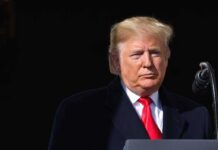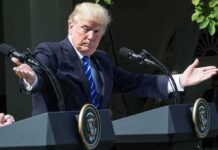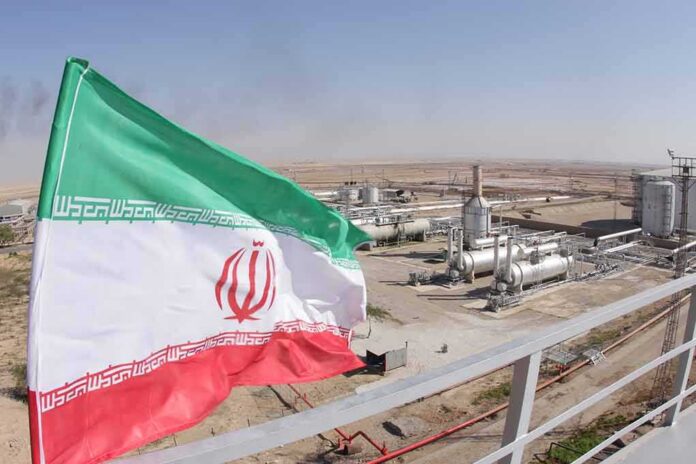
President Trump has drawn a hard line in the Gulf, vowing that **Iran’s frozen money — not American taxpayers — will pay for ship and cargo damage linked to Tehran’s aggression**.
Story Snapshot
- Trump says any damage to ships and cargo from Iran-linked attacks will be paid from frozen Iranian assets under U.S. control.
- Iran’s foreign minister blasts the move as an “incendiary precedent” that threatens global financial stability.
- The Trump administration stresses that the funds are already blocked and that using them shifts costs away from American taxpayers.
- The fight fits a long pattern: hostile regimes demand access to frozen money while Washington tries to use it as leverage and compensation.
Trump Declares Iran Will Foot the Bill for Gulf Shipping Damage
President Trump used his Truth Social platform to announce that the United States will tap frozen Iranian assets to reimburse damage to ships and cargo in and around the Strait of Hormuz. He wrote that “from this point forth, any and all damages done to Ships, Cargo, or anything related thereto, will be paid for by Iranian Money that the United States has in its possession, and controls.” This means, in plain terms, Iran’s seized funds will be used to pay for the chaos its attacks and proxies cause on vital shipping lanes.
Reports say the United States holds billions of dollars in Iranian assets that have been frozen under sanctions tied to Tehran’s behavior and nuclear activity. These funds sit in accounts that Iran cannot freely use, giving Washington direct control over how and when they move. Trump’s statement turns that frozen pile of cash into a kind of insurance pool. If ships are hit, cargo lost, or trade disrupted by Iran or its partners, the compensation would come from Iranian money, not from American citizens or allied taxpayers.
Tehran Cries Foul, Warning of a ‘Dangerous’ Global Precedent
Iran’s Foreign Minister Abbas Araghchi quickly condemned Trump’s plan, calling it an “incendiary precedent” and a threat to global financial security. He argued that seizing another country’s frozen assets to pay for “unrelated future claims” breaks normal international practice and could scare other nations that keep reserves abroad. Tehran frames the move as illegal asset seizure rather than a logical way to make an aggressive regime pay for the damages it helps cause. Iran wants its money returned with few strings, not repurposed to aid victims of Gulf attacks.
Iran has been pushing hard to unfreeze tens of billions of dollars of assets as part of broader negotiations, including a proposal to unlock about $24 billion through a multi-stage deal. That push shows how valuable these reserves are to the regime’s survival and regional agenda. When Trump says those same funds will now cover ship damage and cargo losses, he is hitting Iran where it hurts most — its wallet. Tehran’s anger is not just about legal theory; it is about losing control over money it hoped to use for its own priorities.
Frozen Assets as Leverage: Making Aggressors Pay, Not Taxpayers
For decades, the United States has frozen assets from hostile governments and then used very tight rules for any limited release, such as food and medical purchases or prisoner swaps. Under President Trump, the policy is now being tied directly to accountability for attacks on global trade. Conservative supporters note that this approach lines up with basic fairness: if Iran backs strikes that endanger energy flows and shipping, Iran’s own money should help pay for the repairs. This reduces the load on American workers and families already squeezed by inflation and high energy costs.
Trump allies highlight that the funds are “not our money” in origin but are under U.S. control because of Iran’s actions and sanctions violations. Using these assets for compensation does not raise taxes or add new debt; it simply redirects blocked cash away from the regime and toward those harmed by it. Critics worry about legal questions and global banking norms, but the public record so far does not show a clear court ruling that bans this kind of use. In the current crisis, the administration is framing frozen assets as a tool to protect shipping, energy flows, and Western economies from Iran’s destabilizing behavior.
Unsettled Legal Questions and What Comes Next
Despite Trump’s firm stance, some details remain unclear. Public reporting does not yet show a specific court order or established claims process that formally ties individual ship losses to direct payments from Iranian sovereign accounts. Instead, the policy appears as a presidential directive built on existing sanctions and asset-freeze powers, with legal fine print still out of sight. Iran’s complaints rely mostly on diplomatic protests and warnings, not on a detailed legal opinion that proves the plan unlawful under binding treaties or rulings.
Former Iraqi diplomat Dr. Omar Ghanim responded to Iranian foreign minister Araghchi, who invoked international law to protest US plans to use Iranian frozen assets to pay for damages to ships attacked by Iran. Ghanim reminded Araghchi that Iran seized 151 jets that Iraq parked… https://t.co/vg4j174Wet
— Ahmed Quraishi (@_AhmedQuraishi) July 25, 2026
This fight over frozen assets fits a wider pattern in United States–Iran relations, where the same money is described in different ways depending on who is speaking. Washington sees leverage and a way to shield taxpayers; Tehran sees stolen reserves and demands full access. For conservative Americans, the core issue is simple: will our government finally stop writing blank checks for hostile regimes and instead make them pay for the harm they cause? Trump’s announcement suggests that, at least for Gulf shipping, the answer is yes.
Sources:
military.com, aljazeera.com, bloomberg.com, youtube.com, nytimes.com, ndtv.com, reuters.com, timesofisrael.com, biz.chosun.com, factcheck.org, ajupress.com