
Democratic lawmakers launched a targeted inquiry into two Trump pardons, pressing Robert F. Kennedy Jr. and Lee Zeldin over whether access, donations, and personal appeals bypassed the normal Justice Department review.
Story Highlights
- Democrats sent letters to Kennedy and Zeldin seeking details on their roles in two 2025 pardons.
- Official records show full and unconditional pardons for Trevor Milton and Troy Lake.
- Reuters linked Kennedy to advocacy for Milton; a witness tied Zeldin to Lake’s case.
- CBS reported large donations aligned with Trump and Kennedy before Milton’s pardon.
Democrats Probe Whether Access Trumped Standard Pardon Review
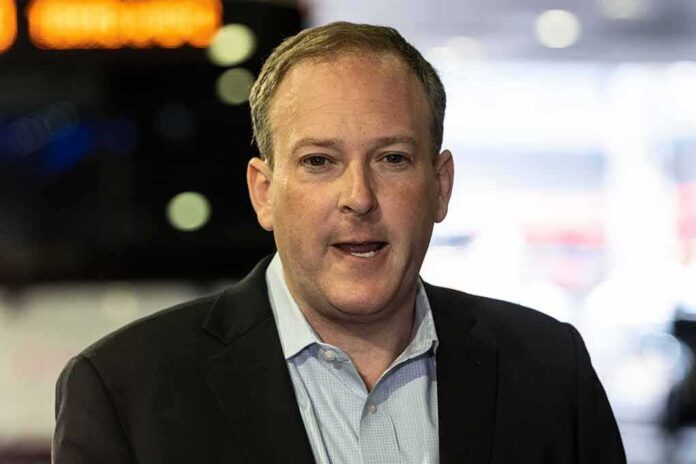
Senators Richard Blumenthal and Peter Welch and Representatives Dave Min and Mary Gay Scanlon sent letters to Robert F. Kennedy Jr. and Lee Zeldin seeking explanations about their roles in two federal pardons granted by President Trump in March 2025. The letters said Congress aims to learn whether “influence and access” displaced the standard review by the Department of Justice Office of the Pardon Attorney, a process presidents have relied on for decades even though the Constitution gives clemency power to the president.
The inquiry centers on Trevor Milton, the Nikola founder convicted of securities and wire fraud, and Troy Lake, convicted of conspiracy under the Clean Air Act. The Department of Justice’s pardon instruments state both men received “FULL AND UNCONDITIONAL PARDON(S).” These documents identify the cases by docket number and confirm the outcomes, establishing a clear record of the grants in United States v. Milton and United States v. Elite Diesel Service, Inc. et al..
What Kennedy And Zeldin Are Reported To Have Done
Reuters reported that days before Milton’s pardon, President Trump said Robert F. Kennedy Jr. had “put in a good word” for Milton. The outlet also reported that Holly Lake, Troy Lake’s wife, said Zeldin’s intervention was crucial to her husband’s clemency, citing an August email from Lake’s veteran friends asking Zeldin to “Please reach out to the President.” These attributions describe advocacy and requests for help but do not themselves prove who caused the final decision.
CBS reported documented political donations by Milton and his wife before the pardon. According to the report, the family gave nearly $2 million to a committee aligned with Trump’s reelection and $750,000 to a political committee aligned with Kennedy’s health agenda. Those figures create an appearance of access that is central to the Democrats’ oversight approach, even as the Constitution leaves final clemency authority with the president.
The Official Record Of These Pardons
The Justice Department’s clemency table lists the Milton and Lake grants among President Trump’s actions in his current term. The table shows the convictions and sentences and links to the underlying cases by district. While these entries confirm the grants and the offenses, they do not explain the route each application took, the recommendation of the Office of the Pardon Attorney, or whether any agency supported or opposed the requests.
The individual pardon instruments add legal clarity. The Trevor Milton document states a “FULL AND UNCONDITIONAL PARDON” for the offenses in case 1:21-cr-478. The Troy Lake instrument does the same for United States v. Elite Diesel Service, Inc. et al., 1:24-CR-00118-RMR. Neither instrument includes procedural history or internal notes, which is common for these formal records and consistent with the president’s direct authority.
Why Congress Says The Process Matters
For more than a century, presidents have often relied on the Department of Justice’s Office of the Pardon Attorney to screen, investigate, and recommend cases. That practice helps avoid favoritism and keeps the focus on facts like rehabilitation, remorse, and fairness. It is an administrative norm, not a legal limit on the president. Oversight letters here focus on whether personal access replaced that filter in the Milton and Lake decisions.
Reuters described a broader trend in which applicants seek help through well-known advocates who can reach the president directly. The report identified advocacy networks and described how influencers can carry requests straight to decision makers. This context explains why lawmakers want calendars, emails, and communications that could show who connected applicants to the White House and how those connections shaped the timing of these two pardons.
What Is Known, And What Comes Next
What is established today is straightforward: Congress asked Kennedy and Zeldin for details; the Justice Department recorded two full pardons; and credible reporting attributes a “good word” for Milton to Kennedy and credits Zeldin with a key role in Lake’s case, anchored by a witness and an appeal email. The letters are requests for information, not findings of misconduct. Lawmakers say they will compare any responses with official records to assess how these cases reached the president.