
As Joe Biden’s globalist legacy unravels, President Trump’s back‑to‑back diplomacy with Xi Jinping and Vladimir Putin’s rush to Beijing show that American leverage in Asia is being tested, not erased.
Story Snapshot
- Putin’s two-day state visit to China begins just days after President Trump’s high-profile summit with Xi Jinping in Beijing.
- Beijing is using rapid-fire summits to pose as a “pivotal power” between Washington and Moscow, challenging U.S. influence built under weaker past administrations.
- The Kremlin and China both stress “strategic partnership,” but stop short of announcing a formal anti-U.S. alliance.
- Trump’s task now is to turn America’s economic and military strengths into real leverage, not allow Beijing to play both sides.
Trump’s Beijing Visit Sets the Stage
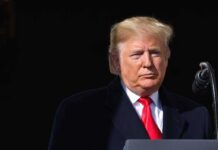
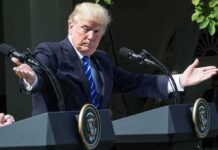
President Donald Trump just wrapped up the first trip to China by a United States president in nearly a decade, underscoring how badly previous Washington leadership had let Beijing drift into unchecked influence. During the state visit, Trump met Chinese leader Xi Jinping to tackle trade tensions and the ongoing war that pits the United States and Israel against Iran’s network of proxies.[1][6] Reports say the visit featured grand ceremony but few immediate breakthroughs on either trade or security disputes.[6] That symbolism matters.
Chinese leaders rolled out the red carpet because they know this White House is no longer the pushover they enjoyed under liberal globalists. Trump’s agenda centers on fair trade, secure supply chains, and stopping Beijing from bankrolling America’s adversaries. Yet even with tough talk, China’s leadership understands optics; they gave Trump the full “imperial” treatment while keeping core issues, like technology access and Iran sanctions relief, carefully hedged.[1][6] That stagecraft now frames everything that follows in Beijing.
Putin’s Rapid Follow-Up Trip: Routine Visit or Strategic Signal?
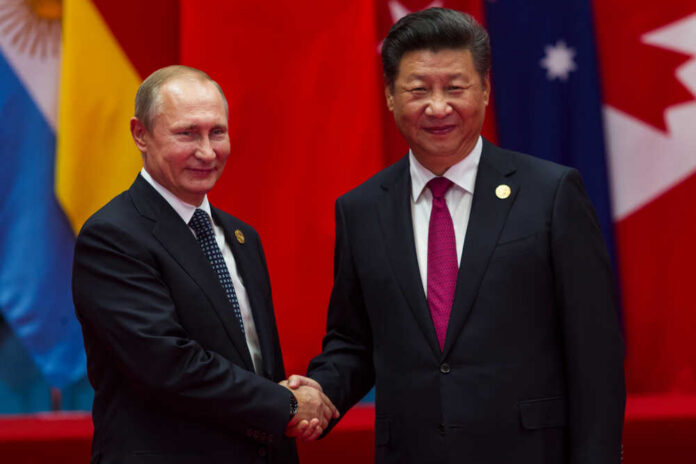
Within days of Trump’s departure, the Kremlin announced that Russian President Vladimir Putin will travel to Beijing on May 19 for a two-day state visit at Xi’s invitation.[3][6] The Kremlin and Chinese statements both stress that Putin and Xi will strengthen their “comprehensive partnership and strategic cooperation,” discuss bilateral relations and economic cooperation, and exchange views on “key international and regional issues.”[3][5][6] They plan to sign a joint declaration, a hallmark of maturing strategic coordination rather than a mere photo opportunity.[5][6]
Media outlets in Asia and Europe note that the timing is no coincidence; Putin’s trip falls “hot on the heels” of Trump’s summit with Xi.[3][6][7] It will be the first time China has hosted the American, Russian, French, and British leaders in such a tight sequence outside a multilateral summit, highlighting Beijing’s drive to pose as a central manager of a fractured world order.[7] Chinese and Russian officials insist this is part of routine diplomacy, yet the back‑to‑back scheduling sends a clear message about Xi’s ambition to balance, and at times play, the great powers against each other.[7]
Deepening China-Russia Ties Challenge Western Sanctions
Russia and China have steadily drawn closer since Moscow’s full-scale invasion of Ukraine in 2022, using trade, energy sales, and defense cooperation to blunt Western sanctions.[1][5] The Kremlin’s official record of Putin’s earlier state visit to China describes a two-day program of talks with Xi, a package of signed documents, a gala marking seventy-five years of diplomatic relations, and joint appearances at economic forums and cultural events.[4][5] That choreography underlines a long-term project: welding the Russian and Chinese economies closer while projecting unity against Western pressure.
China also made a point of hosting Putin as his first foreign visit after assuming his fifth term, underscoring how central Beijing has become to Moscow’s strategy.[4] The pattern runs both ways. Xi has traveled to Russia for high-profile visits, including a multi-day state trip in 2025 that reinforced their “no limits” rhetoric and showcased personal rapport between the two authoritarian leaders. Each of these summits may look ceremonial, but together they form a durable framework that challenges American-led financial sanctions and energy policy crafted before Trump returned to the White House.[4][5]
Is This an Anti-U.S. Bloc—or Leverage for Trump to Use?
Some analysts caution that “strategic partnership” is not a formal alliance, and that Moscow and Beijing still pursue their own interests rather than a single anti-U.S. command structure.[3][5] The Kremlin’s description of Putin’s China trips emphasizes standard state-visit elements: bilateral consultations, anniversary celebrations, and regional economic forums.[3][5] That language suggests both sides want flexibility, not a rigid treaty like the old Soviet pacts that forced countries into automatic military commitments.
At the invitation of Chinese President Xi Jinping, Russian President Vladimir Putin will pay a state visit to China from May 19 to 20, a Chinese foreign ministry spokesperson announced on Saturday. pic.twitter.com/am0LpiQpyF
— ChinaConsulateDubai (@CGPRCinDubai) May 18, 2026
For American conservatives, the key question is what this means for President Trump’s leverage. Back-to-back visits make clear that China wants options: access to U.S. markets and technology on one side, cheap Russian energy and strategic depth on the other.[3][6][7] That is exactly why Trump’s focus on fair trade, energy independence, and rebuilding military deterrence matters. When Washington is weak and distracted by woke agendas and runaway spending, Beijing fills the vacuum. When America is strong and clear, these same summits become bargaining chips, not death blows to U.S. leadership.
Sources:
[1] YouTube – BREAKING: Putin to visit China days after Trump visit
[3] Web – Days after Trump’s summit in Beijing, Putin will meet with China’s Xi
[5] Web – State visit to China – President of Russia
[6] Web – Russian President Putin to visit China days after Trump’s trip – CNA
[7] Web – Russia’s Putin is heading to China next week, days after Xi-Trump …