

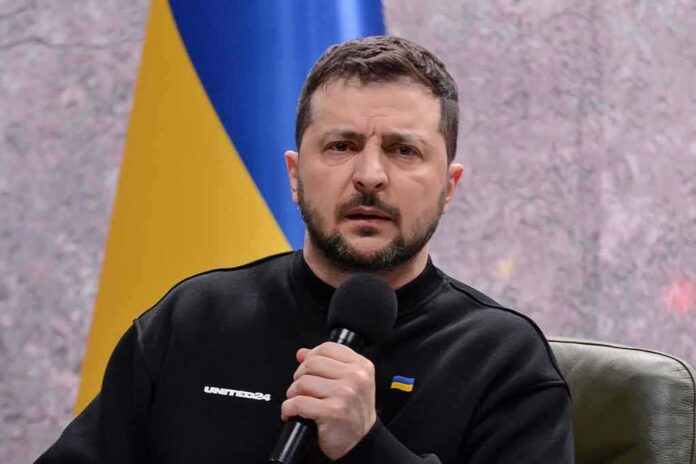
Ukraine’s president used a NATO Parliamentary Assembly stage to press Allies for more support and tougher resolve, while lawmakers pushed nonbinding measures to boost aid to Kyiv.
Story Highlights
- Zelenskyy addressed the NATO Parliamentary Assembly by video during an annual session.
- Assembly leaders echoed strong support and urged more military, financial, and humanitarian aid.
- Zelenskyy said Ukraine can defend itself and restore its borders with sustained backing.
- The Assembly’s resolutions guide debate but do not bind NATO governments.
Zelenskyy’s message to NATO lawmakers focused on speed and staying power
President Volodymyr Zelenskyy addressed the NATO Parliamentary Assembly by video link and pressed for faster help and lasting resolve. He said Ukraine could defend itself and restore its borders if support continued at scale. The Assembly’s official account records him telling lawmakers that Allies must step up aid until Ukraine wins. His remarks came during an annual session that gathered national parliament members from Allied countries to discuss the war and broader security policy.
The official summary quotes Zelenskyy saying Ukrainians are sure they can defend their country and reinstate their borders across the full southern and eastern fronts. His message tied battlefield needs to Europe’s security, arguing that pushing back Russia protects the wider Alliance. The Assembly framed the address as part of a larger push to sustain aid, deter further aggression, and plan for recovery. The report positioned speed and unity as the core themes of the appearance.
Lawmakers advanced resolutions urging greater aid and reconstruction support
The NATO Parliamentary Assembly said members passed resolutions calling on the thirty Allies to increase military, financial, and humanitarian support for Ukraine. The body also promoted a comprehensive reconstruction program to help the country recover from war damage. These measures express the Assembly’s view and aim to influence national debates and budgets. The texts show clear political backing among participating lawmakers for stronger aid while the war continues.
Assembly leaders repeated a pledge of support to Ukraine “for as long as it takes.” They urged quicker deliveries, better air defenses, and sustained funding. A follow-on summary emphasized that Ukraine’s victory remains the goal and asked parliaments to press their governments to deliver. The Assembly described the war as a test of will for democracies and said Allied unity is vital to end the conflict on terms that uphold Europe’s security order and deter future attacks.
What the NATO Parliamentary Assembly is—and is not
The NATO Parliamentary Assembly is separate from the Alliance’s executive decision bodies. It cannot make binding policy for NATO or spend Alliance funds. Its resolutions are political recommendations that reflect the views of elected legislators from member states. Those lawmakers can shape debate at home, influence defense budgets, and press their governments to act. That gives the Assembly a platform to rally support even though its votes do not create NATO obligations by themselves.
Analysts note the Assembly’s influence lies in building consensus and guiding national parliaments on defense priorities. Official guidance describes the group as a forum that can affect decisions through public pressure and shared policy goals. When the Assembly urges more spending or quicker aid, it signals where many Allied lawmakers want policy to go. That signal can matter when national leaders and cabinets set budgets, approve arms transfers, and coordinate training for Ukraine’s forces.
Why this matters for U.S. readers and the path ahead
Zelenskyy’s appeal and the Assembly’s resolutions raise direct questions for Congress and American taxpayers. Supporters argue that steady aid keeps the fight far from NATO borders, deters wider war, and shows strength. Critics worry about cost, oversight, and priorities at home. The Assembly cannot order American action, but its stance adds pressure across Allied capitals. The coming months will test how much and how fast parliaments can deliver to meet Ukraine’s stated needs.