
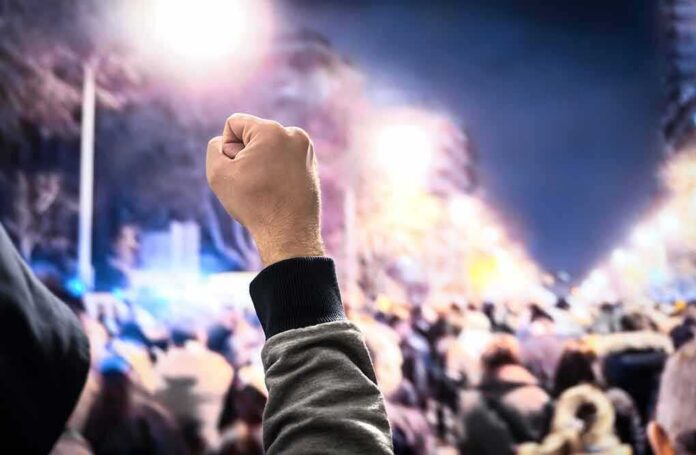
Albania’s parliament descended into chaos as opposition lawmakers ripped out microphones and flashed photos of injured students while police outside used water cannon and tear gas on protesters.
Story Highlights
- Opposition MPs clashed with ruling lawmakers and disrupted a vote while holding photos of injured students.
- Police used water cannon and tear gas amid street clashes; baton strikes were reported in central Tirana.
- Reports counted dozens of injured protesters and large numbers of injured police during the unrest.
- Protests began as student-led calls for better education and anti-corruption reforms, then escalated.
Lawmakers Clash as Protest Images Enter the Chamber
Opposition members of Albania’s parliament tried to force debate on police handling of student-led protests. Lawmakers scuffled, ripped out microphones, and held up printed photos that they said showed students hurt by police. The ruling party kept the session going and pushed ahead with votes during the uproar. The confrontation underscored a fight over accountability and who defines the unrest: students demanding change or a security challenge for the state to contain.
Outside the chamber, protests that began with student demands have grown into nightly clashes. Students and supporters rallied against corruption, pressed for better education, and urged Prime Minister Edi Rama to resign. Street battles have followed days of marches. Police and demonstrators confronted each other near key sites in Tirana. That shift from rallies to riots moved the debate from policy to public order. It also raised pressure on leaders to explain each step police took.
Police Response: Water Cannon, Tear Gas, and Baton Use
Riot police used water cannon and fired tear gas during clashes in the capital. Reporting from the city described officers striking some fleeing protesters with batons in Skanderbeg Square. The volume and type of crowd control drew attention because of the number of young people on the streets. The scenes were stark and fast moving. They raised the stakes for how the government justifies tactics and how opposition figures frame the injuries shown in parliament.
Several outlets reported significant injuries on both sides during the worst nights. One account listed 45 injured protesters and more than one hundred injured police officers. Another report said totals could be higher because some people did not seek care or were not counted. The ranges reflect the scale of the clashes and show that both police and demonstrators absorbed harm as the movement evolved beyond peaceful rallies.
Escalation Timeline and Conflicting Narratives
Newsrooms described a student-led movement that started with peaceful marches and teach-ins before violence spiked. Demonstrations ran for weeks, then flared into attacks with rocks, fireworks, and fires near government buildings. Those incidents gave officials grounds to frame the response as a duty to protect public safety. At the same time, opposition figures argued that police crossed lines and used excessive force against students, pointing to injury photos in the chamber.
Reports also noted claims that new, tougher methods may have been used. One account said water cannon and tear gas were deployed while adding there were reports rubber bullets may have been used for the first time. That detail, if confirmed by officials, would matter for rules on crowd control and risk of serious injury. The key policy test is whether force met necessity and proportionality standards set for policing public assemblies.
What This Means and What Comes Next
Parliament’s decision to keep voting while the opposition pressed for debate showed the power struggle. Government leaders sought normal business amid turmoil. Opposition lawmakers tried to move the spotlight to the injured students and the policing plan. Students still demand better schools and action against corruption. Officials now face questions on command decisions, warnings to crowds, and whether safer options were on the table during the toughest nights.
For Americans watching, the lesson is familiar. When people take to the streets, leaders must protect both safety and speech. Clear rules, firm but fair policing, and real accountability prevent chaos from swallowing valid demands. Albania’s unrest shows how quickly order can break when trust fails. Verified facts on injuries, chain of command, and crowd warnings will help test claims on both sides and shape whether reforms or prosecutions follow.
Sources:
facebook.com, euronews.com, reuters.com, bbc.com, balkaninsight.com